
7 Myths About Anxiety That Should Be Addressed ASAP
Anxiety is a condition that affects millions of people. To a certain extent, anxiety is a natural reaction to stress, uncertainty, or potential danger. However, there are many myths surrounding anxiety that can lead sufferers to underestimate the problem, feel ashamed to seek help, or choose ineffective coping strategies. It's important to understand that anxiety isn't simply "worrying about little things." Sometimes it can severely impact quality of life, work, relationships, and physical health. In this article, we've compiled seven common myths about anxiety that have long been debunked.

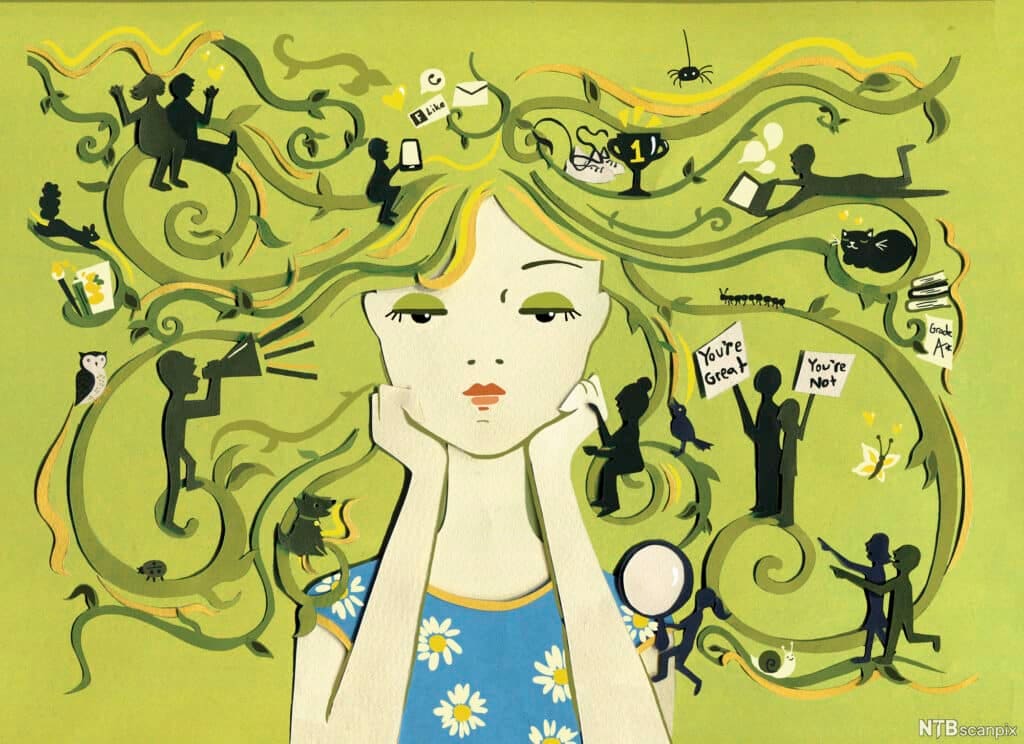
Anxiety is a condition that affects millions of people. To a certain extent, anxiety is a natural reaction to stress, uncertainty, or potential danger. However, there are many myths surrounding anxiety that can lead sufferers to underestimate the problem, feel ashamed to seek help, or choose ineffective coping strategies. It's important to understand that anxiety isn't simply "worrying about little things." Sometimes it can severely impact quality of life, work, relationships, and physical health. In this article, we've compiled seven common myths about anxiety that have long been debunked.
1. Anxiety is a temporary nervousness
Many people believe that anxiety is merely a feeling of nervousness, similar to a temporary bout of depression. In reality, anxiety often affects not only emotions but also the body. Sufferers may experience heart palpitations, muscle tension, trembling, sleep disturbances, sweating, difficulty concentrating, and a constant feeling of inner tension. Sometimes the symptoms are so severe that they interfere with daily life. If anxiety persists and impacts your life, it's important not to ignore it, but to seek anxiety treatment.
2. Anxiety only affects weak people
This is one of the most dangerous myths. Anxiety can affect anyone regardless of age, personality, profession, or success. Anxiety disorders affect executives, athletes, students, parents, creative individuals, and even people who appear completely calm. Anxiety is not a sign of weakness. It's related to the characteristics of the nervous system, stress levels, genetics, lifestyle, and many other factors. In such a situation, asking for help is not a sign of weakness, but a mature and responsible step.
3. Distraction can help alleviate anxiety on its own
Sometimes, briefly shifting your focus can help reduce tension. A walk, a conversation with a friend, or a break can relieve stress. However, distraction alone is not enough for chronic anxiety. Some people spend months or even years trying not to think about it by overloading themselves with work, endlessly scrolling through social media, or avoiding difficult situations. But the anxiety often returns. If symptoms persist for an extended period, it's better to address the underlying cause with a professional rather than constantly suppressing it.
4. Anxiety doesn’t affect physical health
Mental well-being is intricately connected to physical health, as evidenced by the various physical symptoms that often accompany chronic anxiety. These symptoms include headaches, stomach aches, digestive issues, high blood pressure, rapid heart rate, muscle tension, insomnia, and persistent fatigue. Prolonged stress can exhaust the body's resources, indicating that anxiety should not be viewed solely as a psychological concern.
5. People with anxiety always look nervous
Many people imagine an anxious person as someone who is constantly panicking, worrying, and visibly displaying their anxiety. In reality, anxiety often remains hidden from others. You can smile, work, communicate, and fulfill your responsibilities and still experience intense inner tension.
Some people are so accustomed to concealing their condition that others don't even notice the problem. Therefore, anxiety can’t be judged solely by outward behavior. Sometimes, even the calmest people experience extreme inner stress.
6. Anxiety can be managed with willpower
The desire to pull oneself together is understandable, but it doesn't always work. If anxiety could disappear at the push of a button, no one would suffer from it for months or years. Willpower can help develop healthy habits: maintaining a regular sleep schedule, exercising, limiting caffeine consumption, and practicing breathing techniques.
However, severe anxiety often requires a more profound approach. This can include psychotherapy, mindfulness training, stress management workshops, and, in some cases, prescribed medication. If you are concerned about your condition, you can search for "psychiatrist near me" for a proper diagnosis and treatment.
7. Seek help only in extreme cases
Many people wait until their anxiety becomes unbearable: panic attacks, insomnia, relationship problems, or reduced performance. The sooner you seek help, the easier it is to manage the situation. You don't have to wait until you're completely exhausted. If you notice that anxiety is impacting your life, causing constant tension and fear, or worsening your well-being, that's already a good reason to take action. Early intervention allows you to regain control of your life more quickly and prevent symptoms from worsening.
About the Creator
Amelia Grant
I am journalist, and blogger.
Enjoyed the story? Support the Creator.
Subscribe for free to receive all their stories in your feed.
Comments
There are no comments for this story
Be the first to respond and start the conversation.