
6 Myths About Cosmetic Dentistry
Cosmetic dentistry is a rapidly evolving field that is becoming increasingly popular. A radiant smile is no longer just for celebrities: modern technology makes aesthetic procedures accessible and safe.
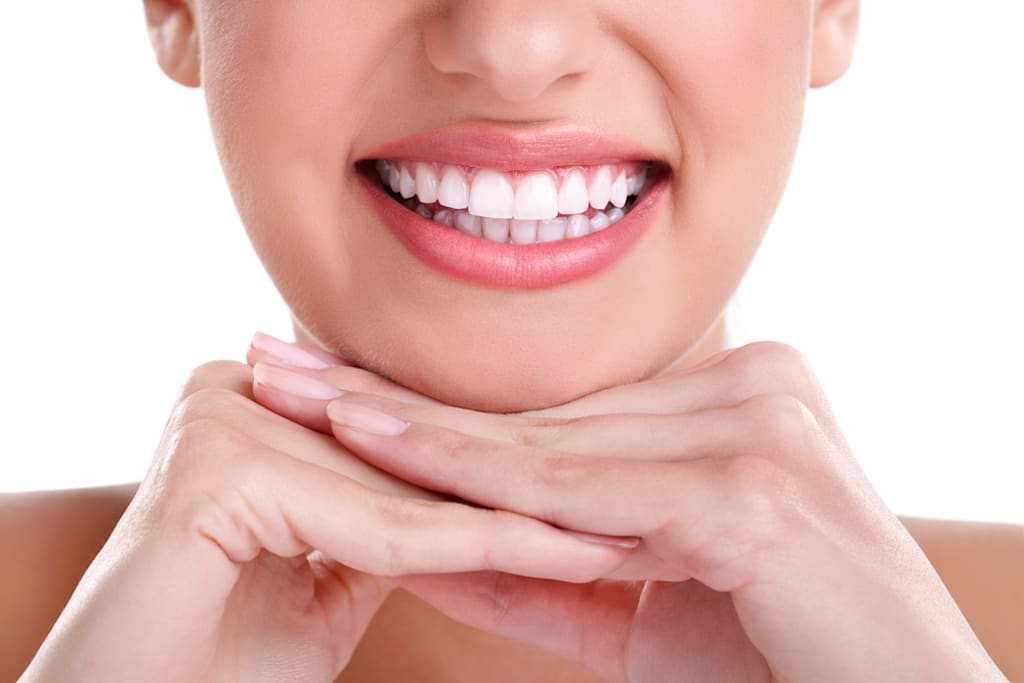
Cosmetic dentistry is a rapidly evolving field that is becoming increasingly popular. A radiant smile is no longer just for celebrities: modern technology makes aesthetic procedures accessible and safe. However, there are still many myths surrounding this field, which prevent people from making informed decisions. Misconceptions and fear often lead to rejection of treatment, even when it is truly necessary. In this article, we will address six common myths about cosmetic dentistry and explain the truth behind them.
1. Teeth whitening damages enamel
One of the most popular myths is the belief that teeth whitening inevitably damages enamel and makes teeth more sensitive. In fact, modern whitening methods used in clinics undergo rigorous safety tests. The products contain active ingredients in safe concentrations and are administered under the supervision of a specialist.
Indeed, temporary tooth sensitivity may occur after the procedure, but this is a normal reaction that usually subsides within a few days. Enamel destruction is possible only with the incorrect use of aggressive products, especially at home without consulting a doctor. Therefore, the key rule is to entrust the procedure to a professional.
2. Veneers look unnatural
Many believe that veneers always look too perfect and are immediately noticeable. This stereotype arose from early technologies, when materials and methods were actually less sophisticated. Today, veneers are custom-made, taking into account the patient’s facial shape, skin color, and tooth characteristics.
Modern designs closely mimic natural enamel, including translucency and microrelief. Well-made veneers are indistinguishable from real teeth. On the contrary, they help correct shape, color, and even minor bite defects, creating a harmonious smile.
3. Cosmetic dentistry is all about appearance
Another common misconception is that aesthetic procedures have nothing to do with health. In practice, the line between cosmetic and functional dentistry is often blurred. For example, teeth straightening not only improves appearance but also reduces the risk of cavities, gum disease, and abnormal wear. Restoring the shape of teeth with restorations can prevent further decay. Thus, many cosmetic procedures simultaneously address medical problems.
4. It is too expensive and inaccessible
There is a perception that cosmetic dentistry is an extremely expensive pleasure, available only to a select group of people. True, some procedures can be expensive, especially if they involve complex work. However, today there is a wide range of solutions to suit any budget.
In addition, many clinics offer staged treatments or payment plans, which makes the procedures more accessible. It is important to understand that it often pays to invest in the health and appearance of your teeth: quality treatment reduces the risk of more serious and expensive problems in the future.
5. The results are short-lived
Some patients believe that the effects of cosmetic procedures quickly disappear and that all efforts are in vain. In fact, the longevity of the result directly depends on the chosen method, the quality of the materials, and oral care. For example, professional teeth whitening can last from several months to several years if you follow your dentist’s recommendations. Veneers and crowns can last 10-15 years or longer with proper care. Regular hygiene, avoiding bad habits, and preventive examinations play a key role in maintaining the results.
6. Any procedure is painful
Fear of pain is one of the main reasons why people postpone a visit to the dentist. Many believe that cosmetic procedures are inevitably accompanied by discomfort. However, modern technologies and anesthesia methods make it possible to minimize discomfort.
Most procedures are performed with local anesthesia, and in some cases, it is not necessary at all. In addition, equipment and techniques are constantly being improved, making the treatment as comfortable as possible. As a result, patients are often surprised by how painless the process can be.
About the Creator
Amelia Grant
I am journalist, and blogger.
Enjoyed the story? Support the Creator.
Subscribe for free to receive all their stories in your feed.
Comments
There are no comments for this story
Be the first to respond and start the conversation.