
5 Warning Signs Your Body May Be Dehydrated
Dehydration can begin with subtle symptoms that are easy to dismiss. Learning the early warning signs can help you take action before the problem becomes serious.
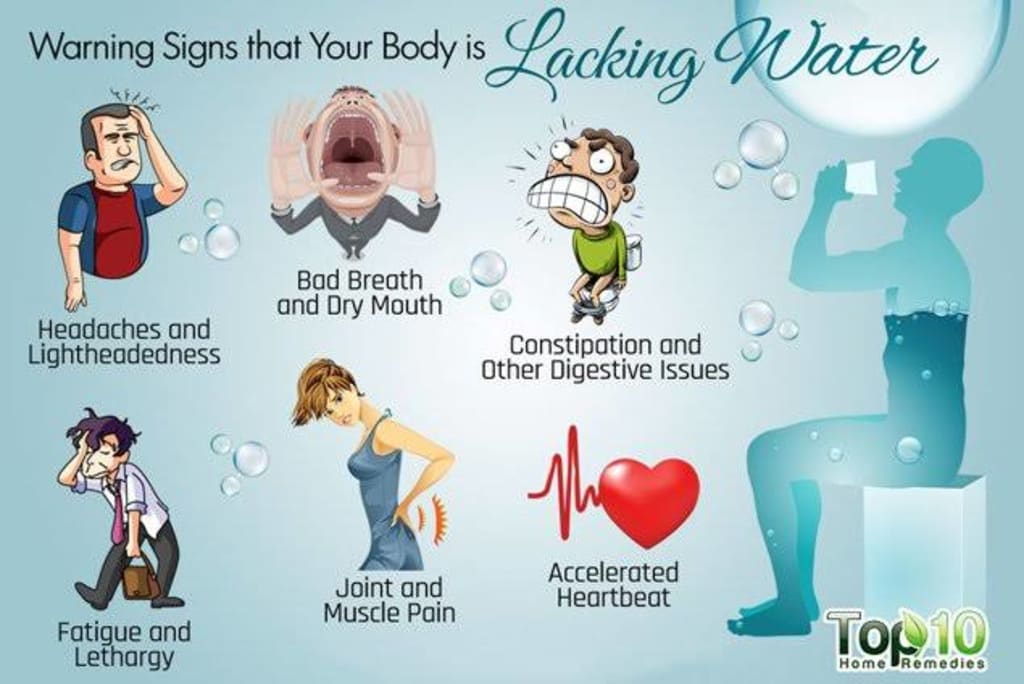
Water is essential for almost every process in the human body. Your body needs fluids to regulate temperature, support circulation, remove waste and maintain normal physical function. Yet dehydration can develop surprisingly easily, especially during hot weather, exercise, illness or long periods without drinking.
The tricky part is that early dehydration may not always feel dramatic. You might simply feel tired, develop a headache or notice that your urine looks darker than usual.
Recognizing the warning signs can help you respond before dehydration becomes severe.
1. You Are Urinating Less Than Usual
One of the easiest changes to notice is a reduction in urination.
When the body does not have enough fluid, the kidneys try to conserve water. You may therefore urinate less frequently, and your urine may become darker or more concentrated.
Urine color alone cannot diagnose dehydration because medications, foods and other factors can change its appearance. However, a noticeable change combined with increased thirst or other symptoms can be a useful warning that you need fluids.
2. You Feel Unusually Thirsty
Thirst is one of the body's natural signals that it needs more fluid.
However, waiting until you become extremely thirsty is not always ideal. Your fluid needs vary depending on factors such as temperature, physical activity, diet and illness.
During hot weather or exercise, you may lose significantly more fluid through sweating.
Drinking fluids regularly throughout the day can help maintain hydration, while people with certain medical conditions may need individualized advice about fluid intake.
3. You Feel Tired or Weak
Dehydration can make you feel unusually tired.
When your body loses fluid, especially through heavy sweating, vomiting or diarrhea, you can also lose important electrolytes. This can contribute to weakness and reduced physical performance.
If you suddenly feel exhausted after being outdoors in hot weather or exercising, consider whether you have consumed enough fluids.
But don't automatically blame fatigue on dehydration. Persistent tiredness can have many possible causes and may require medical evaluation.
4. You Experience Headaches or Dizziness
Headaches and dizziness can occur with dehydration, particularly when fluid loss is significant.
You might feel light-headed when standing up or experience a headache after spending a long time in heat.
Again, these symptoms are not specific to dehydration. Lack of sleep, low blood sugar, illness, medication effects and many other conditions can cause similar symptoms.
If symptoms are severe, persistent or unusual for you, seek medical advice rather than assuming dehydration is the only explanation.
5. Your Mouth Feels Dry
A dry or sticky mouth can be another sign that your body needs more fluid.
You may notice reduced saliva, dry lips or a sticky sensation in your mouth.
This can happen for several reasons, including dehydration, certain medications and mouth breathing. If dry mouth continues despite drinking enough fluids, discuss it with a healthcare professional.
When Dehydration Becomes Serious
Mild dehydration can often improve when the person replaces lost fluids, but severe dehydration can be dangerous.
Warning signs can include extreme weakness, confusion, fainting, very little or no urination, rapid heartbeat or rapid breathing.
Dehydration can become particularly dangerous in babies, older adults and people who are sick or exposed to extreme heat.
Severe symptoms require urgent medical assessment.
Who Is Most at Risk?
Anyone can become dehydrated, but the risk can increase during hot weather, intense physical activity, fever, vomiting and diarrhea.
Children and older adults can also be particularly vulnerable because they may not recognize or respond to thirst as effectively.
People who work outdoors or exercise heavily should pay particular attention to fluid loss, especially in hot and humid environments.
How to Stay Hydrated
The amount of fluid a person needs varies. Instead of relying on one universal number, pay attention to thirst, urine patterns, weather conditions and physical activity.
Drink fluids regularly throughout the day and increase intake when you are losing more water through sweating or illness.
During prolonged, intense exercise or significant fluid loss, electrolytes may also become important. If you have a medical condition that affects fluid balance, follow your healthcare professional's advice rather than changing your fluid intake on your own.
Final Thoughts
Dehydration can start quietly.
A darker urine color, unusual thirst, tiredness, dizziness or a dry mouth may be easy to dismiss, but these signs can be reminders to pay closer attention to your body's fluid needs.
The key is not to wait until you feel extremely unwell.
Stay aware of your hydration, especially during hot weather, exercise and illness. And if symptoms become severe or do not improve, seek professional medical advice.
Your body constantly communicates with you. Sometimes, something as simple as thirst is worth listening to.
This article is for general health information and is not a substitute for professional medical advice.
About the Creator
Enjoyed the story? Support the Creator.
Subscribe for free to receive all their stories in your feed.
Comments
There are no comments for this story
Be the first to respond and start the conversation.