
10 Winter Garden Pests & How to Fight Them
Find out which pests could be infesting your garden and how you can take preventive measures.
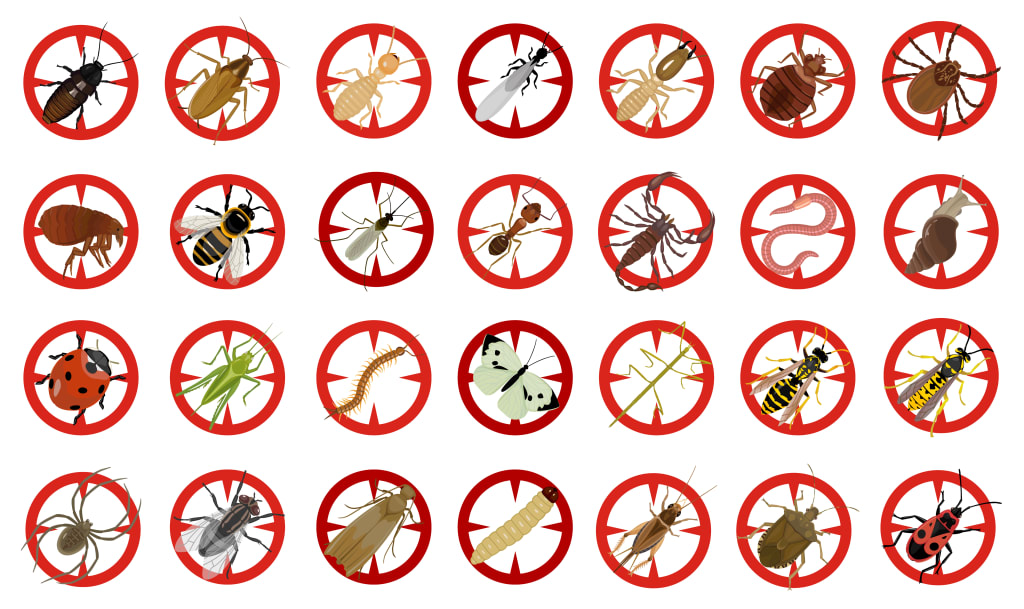
Winter may seem like a time when garden pests take a break, but many insects and rodents remain active, seeking shelter and food in gardens. These pests can damage plants, trees, and even structures. Sometimes, even preventive measures are not enough and you might need to call professional pest control to control pests in your garden. Here’s a look at the top 10 most irritating garden pests in USA winters and how to manage them effectively.
1. Aphids
Aphids are tiny sap-sucking insects that remain active during mild winters, often sheltering on evergreen plants or in greenhouses. They weaken plants by draining sap, causing leaf curling and stunted growth. Additionally, aphids can transmit plant diseases.
Prevention & Control:
- Use neem oil or insecticidal soap to manage infestations.
- Encourage natural predators like ladybugs and lacewings.
- Inspect plants regularly, especially in greenhouses.
2. Spider Mites
Spider mites thrive in dry winter conditions, particularly on indoor plants or in heated garden structures. These minuscule pests cause speckled, yellowed leaves and fine webbing on plants.
Prevention & Control:
- Increase humidity around plants using misting or a humidifier.
- Spray plants with water to dislodge mites.
- Introduce predatory mites to keep populations in check.
3. Rodents (Mice and Rats)
Mice and rats become a major winter garden pest as they seek shelter and food. They chew on plant roots, bulbs, and bark, causing significant damage.
Prevention & Control:
- Keep the garden clean and free of fallen fruit or seeds.
- Use humane traps or bait stations.
- Seal entry points to sheds, greenhouses, and homes.
4. Scale Insects
Scale insects attach themselves to plant stems and leaves, feeding on sap and weakening plants. They are often found on ornamental shrubs, fruit trees, and houseplants during winter.
Prevention & Control:
- Prune infested branches and dispose of them properly.
- Apply dormant oil sprays in late winter to suffocate eggs.
- Introduce natural predators such as parasitic wasps.
5. Whiteflies
Whiteflies are a persistent greenhouse pest during winter. These tiny, winged insects suck plant sap and excrete honeydew, leading to mold growth.
Prevention & Control:
- Use yellow sticky traps to catch adult whiteflies.
- Spray plants with insecticidal soap or neem oil.
- Introduce beneficial insects like ladybugs and green lacewings.
6. Slugs and Snails
Slugs and snails remain active in damp winter conditions, feeding on young seedlings and plant leaves. They can destroy entire plants overnight.
Prevention & Control:
- Remove hiding spots such as rocks and leaf litter.
- Use organic slug baits or barriers like crushed eggshells.
- Encourage natural predators such as frogs and birds.
7. Cutworms
Cutworms overwinter in the soil and emerge in early spring to attack young plants. These caterpillars chew through stems at the soil line, killing seedlings.
Prevention & Control:
- Till the soil in late winter to expose pupae.
- Use protective collars around young plants.
- Apply biological controls like Bacillus thuringiensis (Bt).
8. Japanese Beetle Grubs
Japanese beetle larvae overwinter in the soil, feeding on grassroots and damaging lawns. They emerge as adult beetles in summer, further harming plants.
Prevention & Control:
- Apply beneficial nematodes to the soil to target grubs.
- Avoid overwatering lawns to reduce grub survival.
- Use milky spore powder as a long-term control method.
9. Mealybugs
Mealybugs are soft-bodied insects that cluster on houseplants and greenhouse plants during winter. They weaken plants by sucking sap and excreting sticky honeydew.
Prevention & Control:
- Remove them manually using alcohol-dipped cotton swabs.
- Use insecticidal soap or neem oil.
- Encourage natural predators like ladybugs.
10. Voles
Voles tunnel under snow-covered gardens, feeding on plant roots, bulbs, and bark. Their extensive burrowing can damage lawns and plants.
Prevention & Control:
Remove mulch and vegetation near plant bases to deter hiding spots.
Install hardware cloth barriers around trees and shrubs.
Use traps and natural predators like owls to control populations.
Final Thoughts
Even in winter, garden pests remain a threat to plants and structures. By identifying common pests and implementing effective control strategies, gardeners can minimize damage and maintain healthy landscapes year-round. Regular inspections, natural predators, and organic pest control methods are key to keeping winter pests at bay.
About the Creator
Enjoyed the story? Support the Creator.
Subscribe for free to receive all their stories in your feed.
Comments
There are no comments for this story
Be the first to respond and start the conversation.