
The Eternal Wisdom of Bill Gates and Michelle Obama
Deep Thoughts on Life, Love and AI


In our age of endless debate, two figures stand above the rest as sources of profound, mystical insight: Bill Gates and Michelle Obama. While lesser mortals struggle with basic logic, these two have transcended it entirely. They speak not in mere words, but in profound truth.
On Success

“When you hit a wall, you stop moving forward.”
- Bill Gates

“If you don’t try, you’ll never know you can’t succeed.
If you try and fail, at least you know.”
-- Michelle Obama
On Charity Work in Africa

In Africa, half the people grow up below the average height.
— Michelle Obama

In parts of Africa, every 60 seconds, a full minute passes.
— Bill Gates
On Education
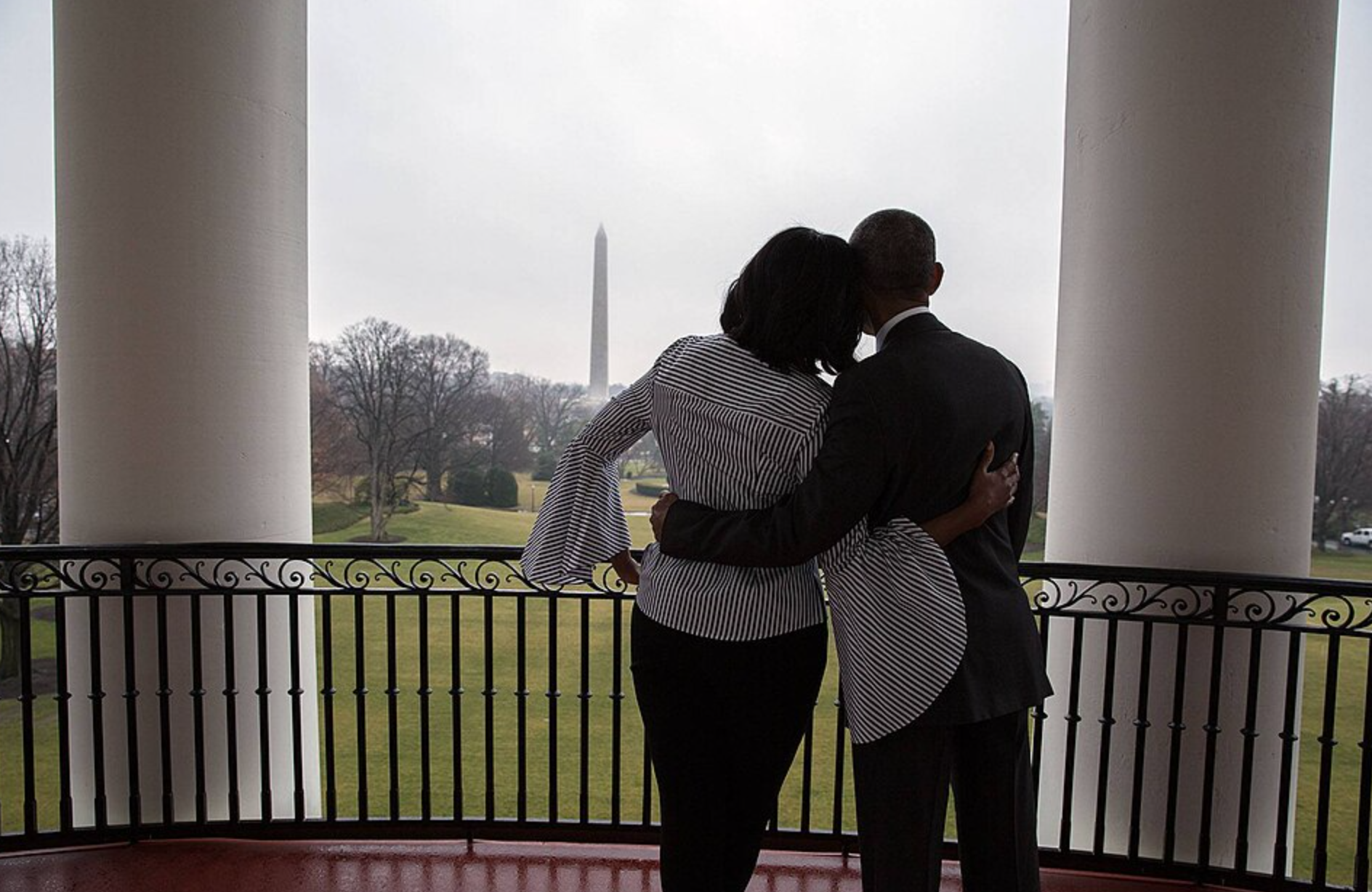
What we do now, gives birth to the next generation.
— Michelle Obama

Give a man a fish, and you feed him for a day.
Teach a man to fish, and you lose the valuable opportunity to sell him a subscription-based, auto-renewing, cloud-connected, data-harvesting fish delivery service.
— Bill Gates
Deep Insights Into AI

When AI hallucinates, it just makes things up.
— Michelle Obama

If you’ve trained one AI model, you’ve trained one AI model.
— Bill Gates
On Politics

Donald Trump needs to stop talking sometimes.
— Michelle Obama
Deep Thoughts on Society

White women really need to lighten up.
— Michelle Obama

50% of marriages end in divorce. The other 50% end in death. Choose wisely.
— Bill Gates
Satire Disclaimer: This entire article is satire. None of these quotes were ever said by Michelle Obama or Bill Gates. They’re completely fake “truisms” designed to sound deep while saying nothing. So exactly like the things many of our “thought leaders” say on a regular basis.
Here’s a list of real (or verifiably attributed) quotes from public figures that sound hilariously obvious:
Yogi Berra: “If you don’t know where you are going, you’ll end up someplace else.”
George W. Bush: “Our enemies are innovative and resourceful, and so are we. They never stop thinking about new ways to harm our country and our people, and neither do we.”
Marion Barry (former D.C. Mayor): “Outside of the killings, D.C. has one of the lowest crime rates in the country.”
John Madden (famous NFL commentator): “If the other team doesn’t score points, I don’t see how they can win.”
George W. Bush (again): “Carbon dioxide is a natural by-product of nature.”
Peyton Manning: “If teams keep playing us this way, it’s going to be like this.”
Yogi Berra: “You can observe a lot by watching.”
Donald Trump: “The future is the future.” (Said multiple times in interviews.)
Paris Hilton: “I’m not the same person I was when I was 18.”While tautology humor feels modern, it has a rich history rooted in literature, philosophy, and political satire.
The comedic use of redundant phrasing traces back to ancient rhetoric. In drama, playwrights used pleonasm (using more words than necessary) to make characters appear pompous, foolish, or bureaucratic. William Shakespeare famously weaponized this in Hamlet, where the windbag character Polonius confidently declares that "to define true madness, / What is't but to be nothing else but mad?"
In the 18th and 19th centuries, the format evolved into truisms and the Irish "bull"—a ludicrously self-contradictory statement. Literary figures like Mark Twain popularized deadpan truisms, famously quipping that "it is better to keep your mouth closed and let people think you are a fool than to open it and remove all doubt."
By the late 20th century, television adopted the style through absurdist characters. In the BBC comedy Monty Python’s Flying Circus, the "Department of Tautology Department" mocked bureaucratic redundancy. In the 2000s, American political satirists like Stephen Colbert used "truthiness" to parody politicians who spoke at length while conveying zero substance.
Today, internet meme culture has weaponized tautology into a global defense mechanism. From Western "It is what it is" memes to China’s "Nonsense Literature," the history of tautology humor shows that when the world becomes overly complex, humanity laughs by stating the blindingly obvious.
About the Creator
Scott Christenson🌴
Born and raised in Milwaukee WI, living in Hong Kong. Hoping to share some of my experiences w short story & non-fiction writing.
Enjoyed the story? Support the Creator.
Subscribe for free to receive all their stories in your feed. You could also become a paid subscriber, letting them know you appreciate their work.
Comments
There are no comments for this story
Be the first to respond and start the conversation.