
You Said It Without Saying It
The quiet ways people communicate what they don’t admit out loud

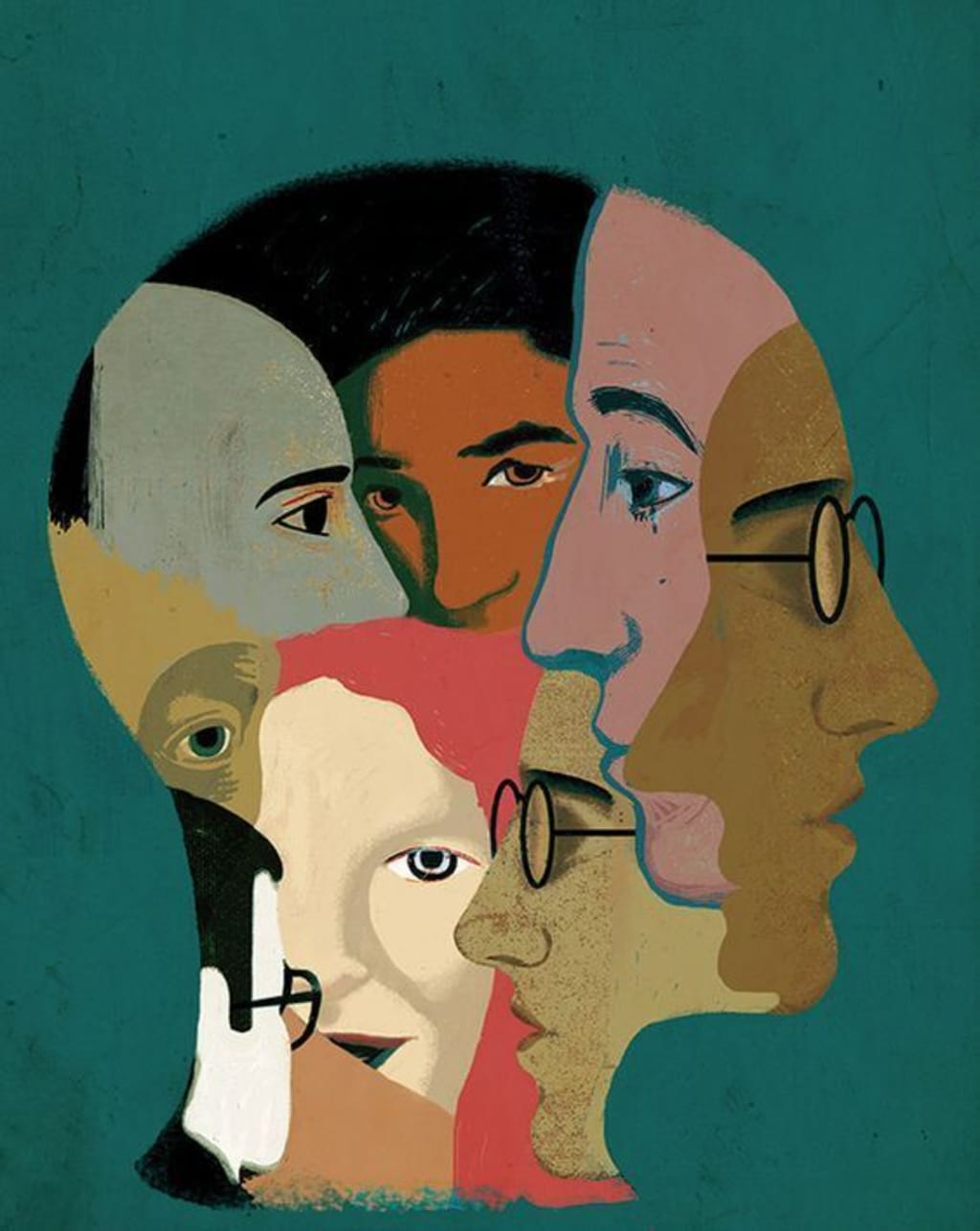
You don’t always need words to say something.
In fact, most of the time, the real message is in what wasn’t said.
People think communication is about speaking clearly, choosing the right words, explaining things directly. But that’s only one part of it. The deeper layer—the one that actually reveals truth—is in behavior, in tone, in timing, in silence.
Because even when you don’t say something, you’re still saying something.
When someone takes hours to reply, that’s a message. When they avoid a question, that’s a message. When their energy changes around you, when they stop showing up the same way, when their effort becomes inconsistent—that’s all communication.
And the truth is, people are often more honest in what they don’t say than in what they do.
Words can be controlled. They can be shaped, filtered, adjusted to fit an image. But actions? Patterns? Absence? Those are harder to fake.
That’s why you can feel when something is off, even if everything sounds fine.
Someone can tell you “everything’s good,” but their distance says otherwise. Someone can say they care, but their lack of presence says something different. And deep down, you know which one to believe.
But here’s where it gets complicated.
You do the same thing.
You think you’re hiding things because you’re not saying them out loud, but they still show. In your hesitation. In your tone. In the way you delay certain conversations. In the way you show up halfway when you’re not fully invested.
You might not say “I don’t care anymore,” but your effort drops.
You might not say “this matters to me,” but your consistency shows it.
You might not say “I’m unsure,” but your mixed signals make it obvious.
So even when you stay silent, you’re communicating clearly—just not intentionally.
And that’s where a lot of misunderstandings come from.
People don’t just listen to your words. They read your patterns. They notice the small shifts. They pick up on what doesn’t match.
And when your words and your actions don’t align, your actions always speak louder.
That’s why someone can say all the right things and still not be trusted.
Because something doesn’t feel real.
Because something isn’t consistent.
Because what’s being shown doesn’t match what’s being said.
And the opposite is true too.
Sometimes people struggle to express themselves verbally, but their actions are clear. They show up. They stay consistent. They make time. They put in effort.
They don’t say much—but they don’t need to.
Because they’re saying everything without words.
And if you really pay attention, you’ll start to see this everywhere.
In relationships. In friendships. In work. In everyday interactions.
People revealing their priorities without announcing them.
People showing their intentions without explaining them.
People telling you exactly where you stand—not through what they say, but through what they do, and what they don’t do.
The problem is, most people ignore that.
They hold on to words because they’re easier to accept. It’s more comfortable to believe what someone says than to face what their behavior is showing. Because behavior is harder to argue with.
Words can be misunderstood.
Patterns can’t.
So instead of trying to decode everything people say, start paying attention to what’s consistent.
Not what happens once, but what repeats.
Not what’s promised, but what’s maintained.
Not what’s explained, but what’s demonstrated.
That’s where the real message is.
And once you start seeing that clearly, something shifts.
You stop chasing explanations.
You stop overanalyzing conversations.
You stop trying to force clarity out of words.
Because you already have it.
It’s been there the whole time.
Just not in the way you were used to looking.
About the Creator
Enjoyed the story? Support the Creator.
Subscribe for free to receive all their stories in your feed.
Comments
There are no comments for this story
Be the first to respond and start the conversation.