
You’re Remembering Your Life More Than You’re Living It
How documenting, capturing, and replaying moments is replacing the moments themselves

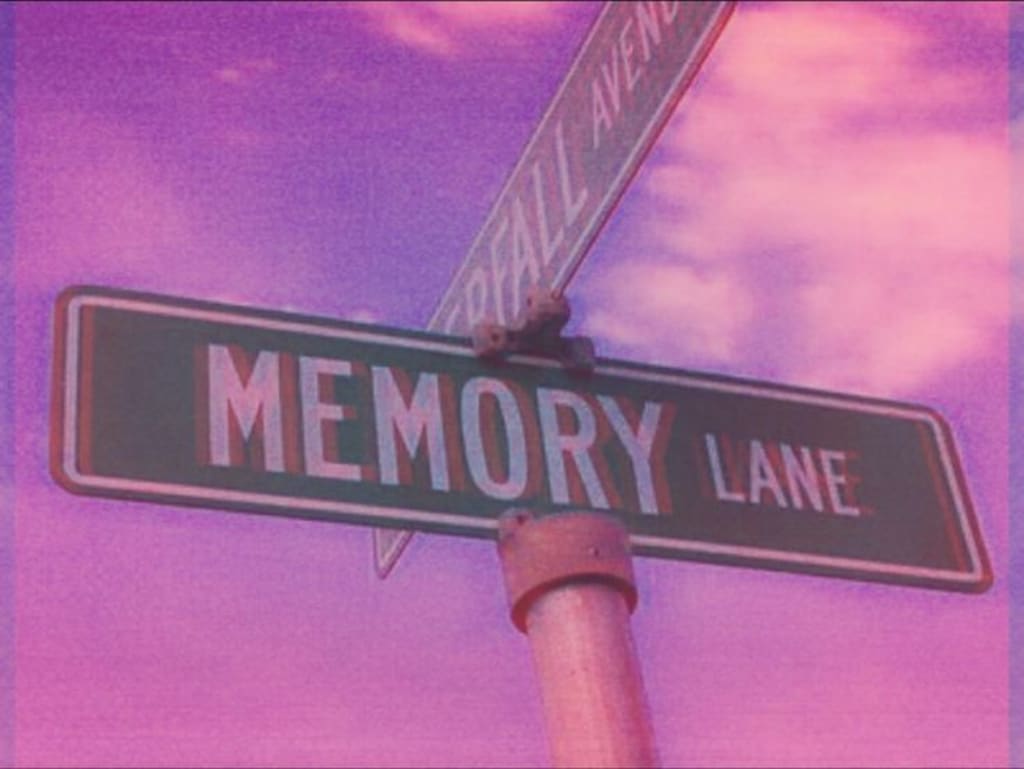
There was a time when memories happened naturally.
Moments passed, and some of them stayed with you. Not because you tried to keep them, not because you documented them, but because they meant something. They left an impression strong enough to remain in your mind without effort.
Now, things are different.
Before a moment even has the chance to exist fully, there’s already an instinct to capture it. To take a picture, record a video, save it, share it, archive it. It’s almost automatic. Something happens, and instead of just experiencing it, part of your attention shifts to preserving it.
At first, this feels harmless. Even useful. After all, memories fade, and having something to look back at seems valuable. It allows you to revisit moments, to relive experiences, to keep a record of your life.
But slowly, something subtle begins to change.
The focus moves from living the moment to remembering it later.
Instead of asking, “What does this feel like right now?” the question becomes, “How will this look when I see it again?”
That shift is small, but it changes everything.
Because once your attention is split between experiencing and capturing, you’re no longer fully present. A part of you steps outside the moment and starts observing it from a distance. You begin thinking about angles, timing, how it appears, how it will be perceived.
And without realizing it, the moment becomes something you’re managing instead of something you’re inside.
This creates a strange kind of distance.
You’re there, but not completely. You’re involved, but also slightly removed. You’re living it, but also preparing to remember it.
Over time, this becomes your normal way of interacting with life.
Moments feel incomplete if they’re not captured.
Experiences feel less “real” if they’re not saved somewhere.
And the value of something starts depending not just on how it felt, but on how well it can be revisited later.
That’s where things become complicated.
Because memories were never meant to replace experiences.
They were meant to be echoes of them.
But now, in many cases, the memory becomes the main thing, and the experience becomes secondary.
You start living for what can be remembered, not just for what can be felt.
And that creates a subtle dissatisfaction.
Even when something is happening, part of your mind is already thinking ahead, already stepping out of the present. You’re anticipating the memory instead of fully absorbing the moment.
That’s why sometimes, when you look back at pictures or videos, they feel strangely disconnected.
You see yourself there.
You recognize the place, the situation, the people.
But the feeling isn’t as strong as you expected.
Because the version you captured was never the full experience.
It was just a surface.
A frame.
A representation.
And while it looks real, it doesn’t carry the depth of what being there could have felt like if you had been fully present.
This doesn’t mean capturing moments is wrong.
It becomes a problem only when it replaces presence instead of complementing it.
When every experience becomes something to document first and feel second.
When the instinct to save overrides the ability to simply exist in what’s happening.
The shift back is simple, but not easy.
It means allowing moments to pass without needing to keep them.
Letting experiences exist fully, even if they won’t be recorded.
Trusting that if something truly matters, it will stay with you in a way that doesn’t require proof.
At first, this can feel uncomfortable.
Almost like you’re “losing” something by not capturing it.
But over time, something changes.
Moments start to feel deeper.
More vivid.
More real.
Because your attention is no longer divided.
You’re not stepping outside of them.
You’re inside them.
Completely.
And ironically, those are the moments that stay with you the longest.
Not because you saved them…
But because you actually lived them.
And maybe that’s the difference most people don’t notice anymore.
The difference between having memories of your life…
And having a life that becomes memories on its own.
Comments
There are no comments for this story
Be the first to respond and start the conversation.