
You’re Not Undisciplined—You’re Too Comfortable Breaking Your Own Rules
Why inconsistency often comes from what you allow, not what you lack

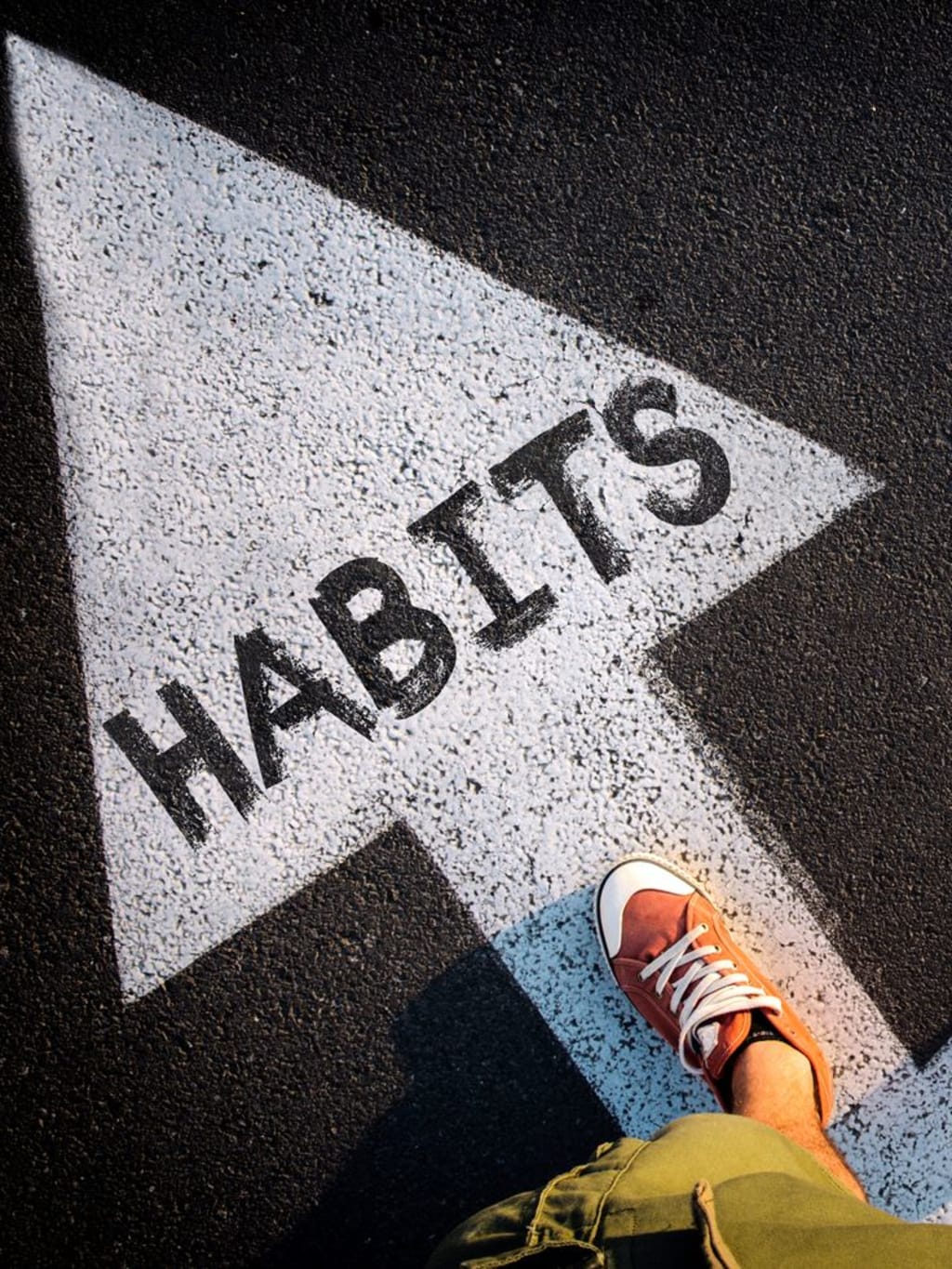
You tell yourself you need more discipline. That you need to be more consistent, more focused, more serious about what you’re trying to do. And every time you fall off, you label it as a lack of control, like something is missing in you. But most of the time, it’s not that you don’t have discipline—it’s that you’ve gotten used to breaking your own rules without consequences.
Because every time you say you’re going to do something and don’t follow through, something small happens internally.
You lower your own standard.
Not in a dramatic way, not something you notice immediately, but enough to make the next time easier to ignore. You tell yourself, “it’s fine, I’ll do it later,” or “it’s just one time,” or “I’m not feeling it today.” And in the moment, those excuses feel reasonable. They feel justified.
But they build a pattern.
A pattern where your word to yourself doesn’t carry weight anymore.
And that’s where the real problem starts.
Because discipline isn’t just about forcing action—it’s about trust. The trust that when you decide something, you follow through. When that trust is weak, everything becomes negotiable. Every task, every plan, every commitment becomes something you can either do or not do depending on how you feel in that moment.
And feelings change constantly.
So your actions become inconsistent.
Not because you’re incapable, but because you’ve trained yourself to operate that way. You’ve created a system where breaking your own rules is normal. Where there’s no real cost to not showing up, at least in the short term.
That’s why you can be disciplined in some areas and completely inconsistent in others. It’s not about ability—it’s about standards. In areas where you’ve decided that certain things are non-negotiable, you follow through without overthinking. You don’t debate with yourself. You don’t look for excuses.
You just do it.
But in areas where you’ve allowed flexibility to turn into avoidance, everything feels harder. You overthink simple actions. You delay things you know you should do. You wait for the “right moment” or the “right mood.”
And that moment rarely comes.
Because you’ve made action optional.
The shift happens when you stop focusing on motivation and start focusing on what you tolerate from yourself. Not in a harsh, unrealistic way, but in a clear, honest one. You decide what actually matters and you treat it like it matters.
You remove the negotiation.
You don’t ask yourself every day if you feel like doing it. You don’t reopen the decision. You already made it. Now you just follow it.
And that sounds simple, but it changes everything.
Because it reduces the mental friction. You’re no longer spending energy deciding—you’re spending energy doing. And over time, that builds something stronger than motivation.
It builds reliability.
You become someone who does what they said they would do, even when it’s inconvenient, even when it’s not exciting, even when no one is watching. And that consistency starts reinforcing itself.
Because every time you follow through, you strengthen that internal trust.
And every time you break it, you weaken it.
That’s why small actions matter more than big intentions. It’s not about doing something impressive once—it’s about doing something basic repeatedly without breaking the pattern. That’s what creates stability.
That’s what creates real discipline.
Not intensity, not bursts of effort, but alignment between what you say and what you do.
And once that alignment becomes your standard, things start to feel different. Not easier, but clearer. You don’t rely on motivation as much. You don’t wait for the perfect conditions. You just move.
Because you’ve decided that your word to yourself means something.
And when that becomes real, discipline stops feeling like something you’re trying to build.
It becomes something you live.
Comments
There are no comments for this story
Be the first to respond and start the conversation.