
You’re Not Tired—You’re Mentally Overloaded
Why doing “nothing” still feels exhausting

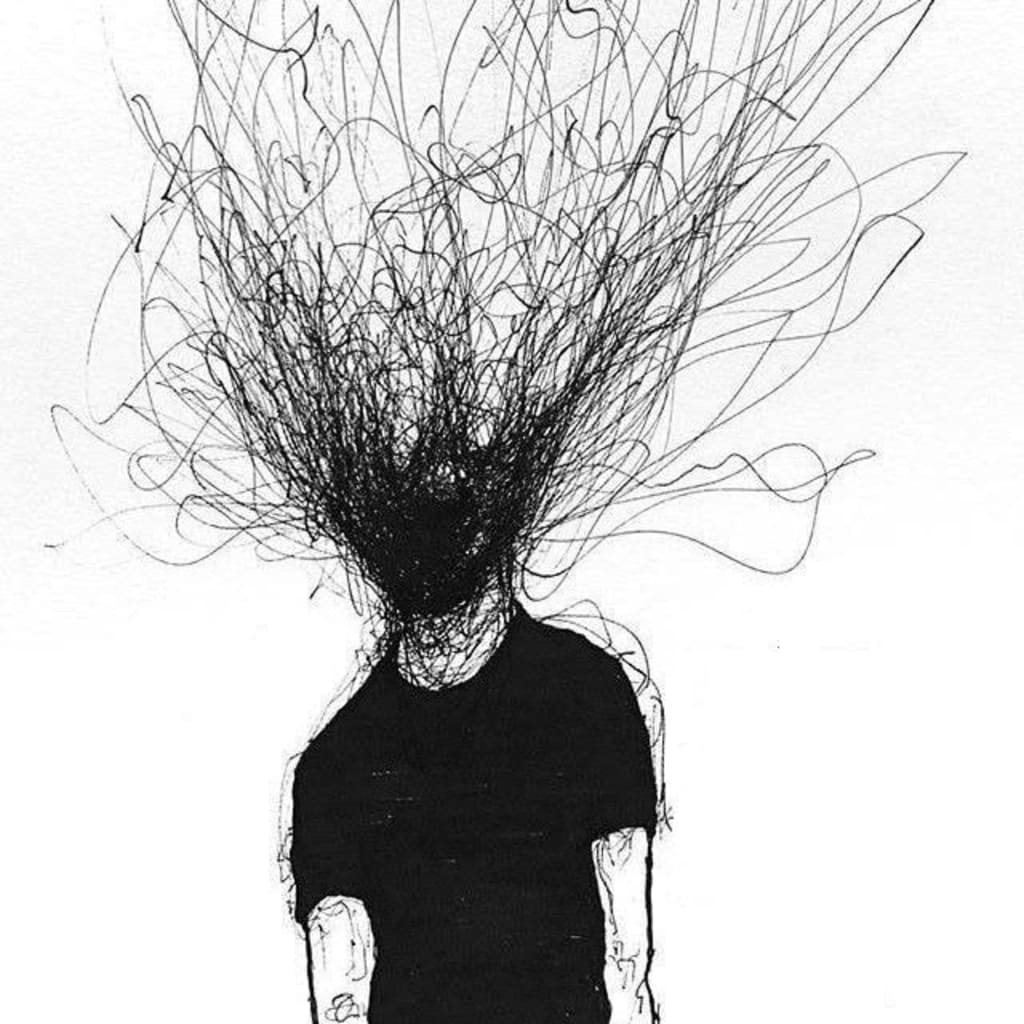
There are days when you don’t really do much, yet you still feel drained.
Not physically tired, not the kind of exhaustion that comes from working hard or pushing your limits, but a different kind. Heavier. Harder to explain. The kind that makes even simple things feel like effort.
And it’s confusing.
Because logically, you know you didn’t do enough to feel this tired. So you assume something is wrong with your energy, your discipline, your motivation.
But the truth is, your body isn’t the problem.
Your mind is overloaded.
We live in a constant stream of input. Notifications, messages, content, opinions, information—everything is always available, always moving, always demanding a piece of your attention. Even when you’re not actively doing something, your brain is still processing, still absorbing, still reacting.
You scroll without thinking.
You switch between apps.
You read things you don’t even care about.
You compare, react, absorb, and move on.
And none of it feels like effort in the moment.
But it adds up.
Every small piece of information takes space. Every unfinished thought stays open. Every distraction leaves a trace. And by the end of the day, your mind is full—not with meaningful things, but with fragments.
That’s where the exhaustion comes from.
Not from what you did…
But from everything your brain had to carry.
The problem is that this kind of overload is invisible.
You don’t see it the way you see physical work. There’s no clear starting point, no clear end. It just builds quietly in the background until you feel it.
You sit down to focus, and your mind feels scattered.
You try to relax, and your thoughts keep moving.
You want to do something simple, but it feels heavier than it should.
So you assume you need more rest.
But rest doesn’t always fix overload.
Because the issue isn’t a lack of energy—it’s a lack of space.
Your mind doesn’t need more time doing nothing.
It needs less noise.
Less input.
Less constant switching.
But that’s hard to do, because we’ve gotten used to filling every empty moment. Silence feels strange. Stillness feels uncomfortable. So we reach for something—our phone, a video, a distraction—without even thinking about it.
And in doing that, we never give our mind a chance to reset.
We keep adding, never clearing.
That’s why even “rest” can feel tiring.
Because you’re not actually resting—you’re just changing the type of input.
The shift starts when you become aware of what you’re consuming, not just what you’re doing.
When you notice how often you interrupt your own focus.
How rarely your mind is actually still.
How much unnecessary information you let in.
You don’t need to eliminate everything.
But you do need to create space.
Moments where nothing is coming in.
Moments where your mind isn’t reacting, comparing, or processing something new.
At first, that space feels uncomfortable.
Almost empty.
But that’s exactly what your brain needs.
Because in that emptiness, things settle.
Thoughts slow down.
Clarity comes back.
And that heavy feeling starts to fade.
You begin to realize that you were never lacking energy.
You were just carrying too much.
And once you reduce that weight, even simple things feel lighter again.
Focus becomes easier.
Decisions feel clearer.
And that constant background exhaustion starts to disappear.
Not because you suddenly became more disciplined or motivated…
But because your mind finally has room to breathe.
Comments
There are no comments for this story
Be the first to respond and start the conversation.