
You’re Not Tired—You’re Mentally Overloaded
Why constant input is draining you more than effort ever could

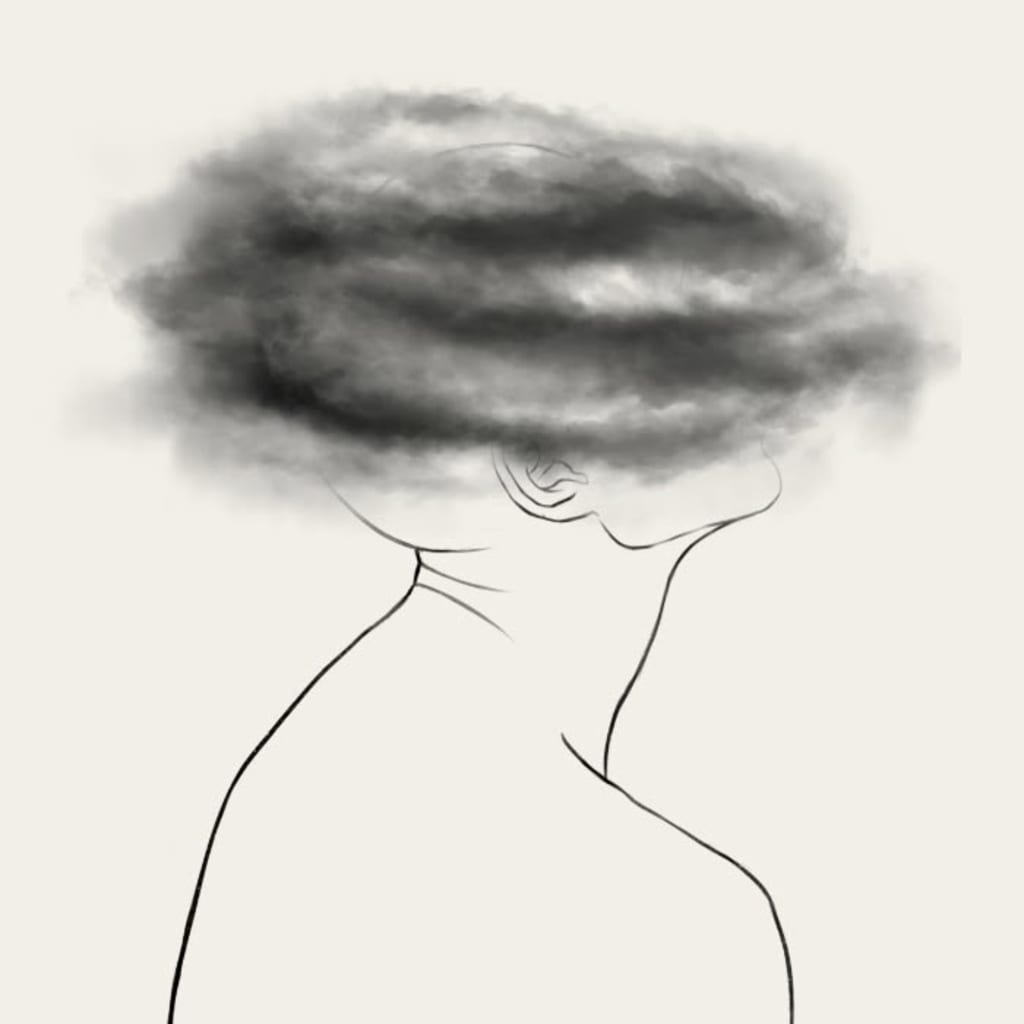
There’s a kind of exhaustion that sleep doesn’t fix.
You wake up tired. You go through your day feeling low on energy. Even simple tasks feel heavier than they should. And no matter how much you rest, something still feels off.
So you assume you’re just tired.
But most of the time, you’re not physically exhausted—you’re mentally overloaded.
Your brain is constantly processing more than it was designed to handle. Notifications, conversations, social media, information, decisions, opinions, comparisons. From the moment you wake up to the moment you fall asleep, your mind is receiving input without pause.
And the problem isn’t just the volume.
It’s the lack of space between it.
There’s no time to process anything properly. No time to sit with a thought, to reflect, or to simply exist without stimulation. Everything overlaps. Everything stacks.
So your mind never fully resets.
It just keeps going.
At first, this feels normal. You don’t notice it because everyone lives like this. Constant scrolling, constant checking, constant thinking. It becomes your baseline.
But over time, it starts to show.
You lose focus faster.
You struggle to stay present.
You feel drained without doing anything physically demanding.
Even things you used to enjoy start to feel like effort.
That’s not laziness.
That’s overload.
Your brain is carrying too much unfinished processing.
Every piece of content you consume leaves a trace. Every conversation, every post, every piece of information adds something to your mental space. And when there’s no pause, no reset, it all stays there.
Unsorted.
Unresolved.
Taking up energy.
That’s why silence can feel uncomfortable.
The moment things slow down, all that unprocessed noise starts to surface. Thoughts you didn’t deal with, emotions you pushed aside, ideas you never finished thinking through.
So what do most people do?
They go back to distraction.
Not because they enjoy it more—but because it’s easier than facing the mental clutter.
And that’s where the cycle continues.
More input.
More overload.
More exhaustion.
The solution isn’t doing less physically.
It’s creating space mentally.
You don’t need a complete reset or a drastic lifestyle change. You just need moments where your mind is not being fed constantly.
Moments where you’re not consuming anything.
No scrolling.
No music.
No background noise.
Just silence.
At first, it will feel strange.
Maybe even uncomfortable.
But that discomfort is not a bad sign—it’s a signal.
It means your mind is finally getting the chance to catch up.
To process.
To clear.
To breathe.
Over time, those moments change the way you feel.
Your thoughts become clearer.
Your focus improves.
You start feeling lighter—not because your life changed, but because your mind is no longer overloaded.
You begin to realize something important:
You don’t need more energy.
You need less noise.
And once you understand that, everything shifts.
You stop filling every empty second.
You become more selective with what you consume.
You protect your attention the same way you would protect your time.
Because attention is energy.
And where you place it shapes how you feel.
In a world that constantly demands your focus, choosing silence becomes a form of control.
Not everything needs your attention.
Not everything deserves space in your mind.
And the more you understand that, the more you take back what overload slowly took from you.
Your clarity.
Your presence.
Your ability to think without feeling drained.
You’re not tired.
You’ve just been carrying too much for too long.
And the moment you start creating space…
You’ll feel the difference.
Comments
There are no comments for this story
Be the first to respond and start the conversation.