
You’re Not Stuck—You’re Attached to What Feels Familiar
Why letting go is harder than moving forward, and how comfort quietly holds you back

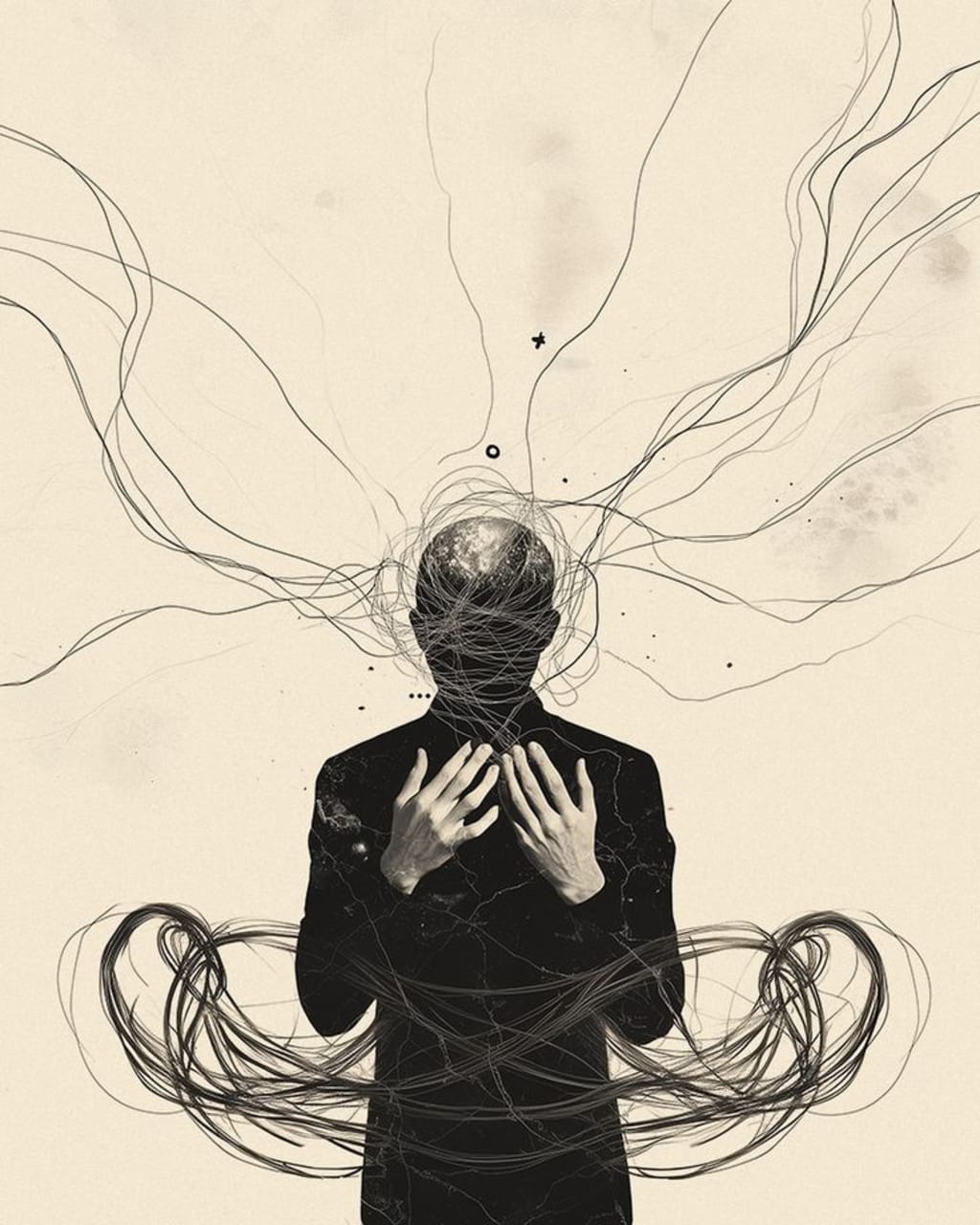
You keep telling yourself you’re stuck, like something in your life isn’t moving, like you’ve hit a point where nothing is really changing no matter how much you think about it or want it to. And it feels real, because from your perspective, you’ve been in the same place mentally for a while. Same thoughts, same situations, same cycles repeating. But if you really step back and look at it honestly, most of the time, you’re not actually stuck—you’re just holding on to something that feels familiar, even if it’s no longer good for you. Because familiar doesn’t always mean right. It just means known. And the mind prefers what it knows, even when it’s limiting, over something new that might be better but uncertain. That’s why people stay in situations that don’t help them grow, why they keep habits that don’t benefit them, why they hesitate to move on from things they’ve already outgrown. Not because they can’t leave, but because leaving requires stepping into something they don’t fully understand yet. And that gap—that space between what you know and what you don’t—is uncomfortable. So instead of crossing it, you stay. You convince yourself you need more time, more clarity, more confidence. But in reality, what you need is the willingness to let go without having everything figured out. Because growth doesn’t happen when everything feels safe. It happens when you accept that things won’t feel fully secure at first. And that’s the part people avoid. Not the effort, not the change itself, but the uncertainty that comes with it. You start thinking about all the things that could go wrong, all the ways it might not work out, all the risks involved. And those thoughts feel like logic, like you’re being careful. But a lot of the time, they’re just fear in a more acceptable form. Because staying where you are also has a cost—it just feels less obvious. You lose time. You lose opportunities. You lose the version of yourself that could’ve developed if you had moved earlier. And that loss is quiet, which is why it’s easy to ignore. You don’t feel it immediately, but it builds over time into frustration, into that sense that you’re not where you’re supposed to be. And then you call it being stuck, when really it’s the result of staying attached for too long. The shift happens when you stop asking “why am I stuck?” and start asking “what am I holding on to that I already know I should release?” That question hits differently, because it removes the illusion that something external is blocking you. It brings the focus back to your own choices, your own patterns, your own resistance. And once you see that, you realize you’re not waiting for the right moment—you’re avoiding the moment that requires you to be uncomfortable. Because letting go isn’t just about removing something from your life, it’s about accepting a temporary period of instability. It’s about not knowing exactly what comes next and moving anyway. And that takes a different kind of strength—not the loud, obvious kind, but the quiet kind that chooses progress over comfort. And once you make that shift, something changes. Not everything becomes clear instantly, but you start moving again. You feel momentum instead of stagnation. You feel like you’re actually participating in your life instead of just thinking about it. And that alone creates clarity over time. Because clarity isn’t something you wait for—it’s something that builds as you move forward. So the next time you feel stuck, don’t immediately assume you can’t move. Ask yourself what feels familiar that you’re still holding onto, and be honest about whether it’s helping you or just keeping you comfortable. Because most of the time, the only thing standing between you and progress isn’t a lack of options—it’s your attachment to what you already know.
Comments
There are no comments for this story
Be the first to respond and start the conversation.