
You’re Addicted to Starting, Not Finishing
Why new beginnings feel exciting—but endings never come

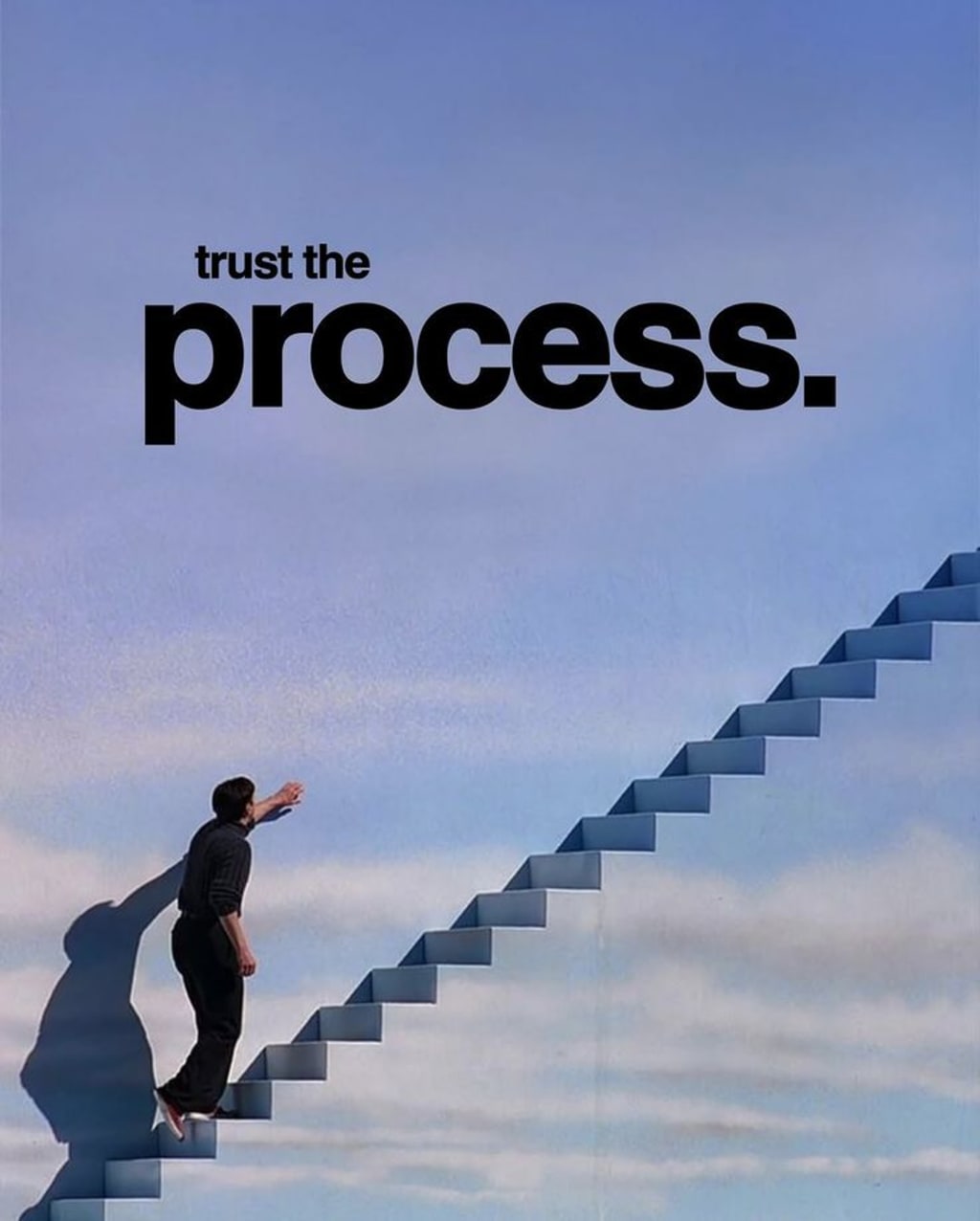
There’s a pattern you probably don’t even notice anymore. You get an idea, something new, something different, something that feels like it could actually change things for you, and in that moment, everything feels clear. You’re motivated, focused, even a little obsessed. You think about it a lot, you imagine where it could go, how it could turn out, and for a short period of time, you feel like you’re finally moving in the right direction.
And then, slowly, that energy disappears.
Not all at once, not in a dramatic way, but in small shifts. You stop thinking about it as much. You don’t feel the same urgency. You tell yourself you’ll get back to it later. And before you realize it, it becomes just another thing you started but never really finished.
At first, it feels like a discipline problem. Like you just need to try harder, be more consistent, be more serious about what you start. But the truth is a little different.
You’re not addicted to progress.
You’re addicted to beginnings.
Beginnings are clean. They don’t have pressure yet. There’s no real risk because nothing has fully happened. Everything is still potential, and potential feels good. It feels exciting because it hasn’t been tested. It hasn’t been challenged. It hasn’t had the chance to disappoint you.
That’s why starting is easy.
Finishing is different.
Finishing means reality. It means seeing what something actually becomes, not what it could have been. It means facing flaws, limits, and imperfections. It means accepting that something won’t be as perfect as you imagined it in the beginning.
And that’s where most people disconnect.
Because finishing removes the illusion.
When something is unfinished, it can still be anything in your mind. It can still be perfect, impressive, successful. But once you bring it to completion, it becomes real, and real things are never as clean as imagined ones.
So instead of finishing, you move to something new.
Another idea. Another plan. Another beginning.
And the cycle repeats.
You don’t stay long enough in one place to see real results, not because you’re incapable, but because you’re constantly resetting yourself back to the starting line where things feel better.
The problem is that progress doesn’t come from how many things you start.
It comes from how many things you finish.
Because finishing teaches you something starting never can. It shows you what works, what doesn’t, where you struggle, and where you improve. It forces you to face reality instead of staying in imagination.
And that’s uncomfortable.
But it’s also necessary.
If you want to break this pattern, you don’t need more ideas. You don’t need more motivation. You don’t need a better plan.
You need to stay.
Stay when it gets repetitive. Stay when it’s not exciting anymore. Stay when you start doubting it. Stay when it feels average.
Because that’s the part where most people leave.
And that’s exactly why most people never finish anything.
The difference is not talent. It’s not intelligence. It’s not even discipline in the way people think.
It’s the ability to remain in something after the beginning loses its appeal.
That’s where things actually get built.
And until you learn to stay past that point, you’ll always have a collection of starts—but nothing that’s truly complete.
Comments
There are no comments for this story
Be the first to respond and start the conversation.