
You’re Addicted to Distraction (And You Don’t Even Notice It)
How constant stimulation is quietly taking control of your life

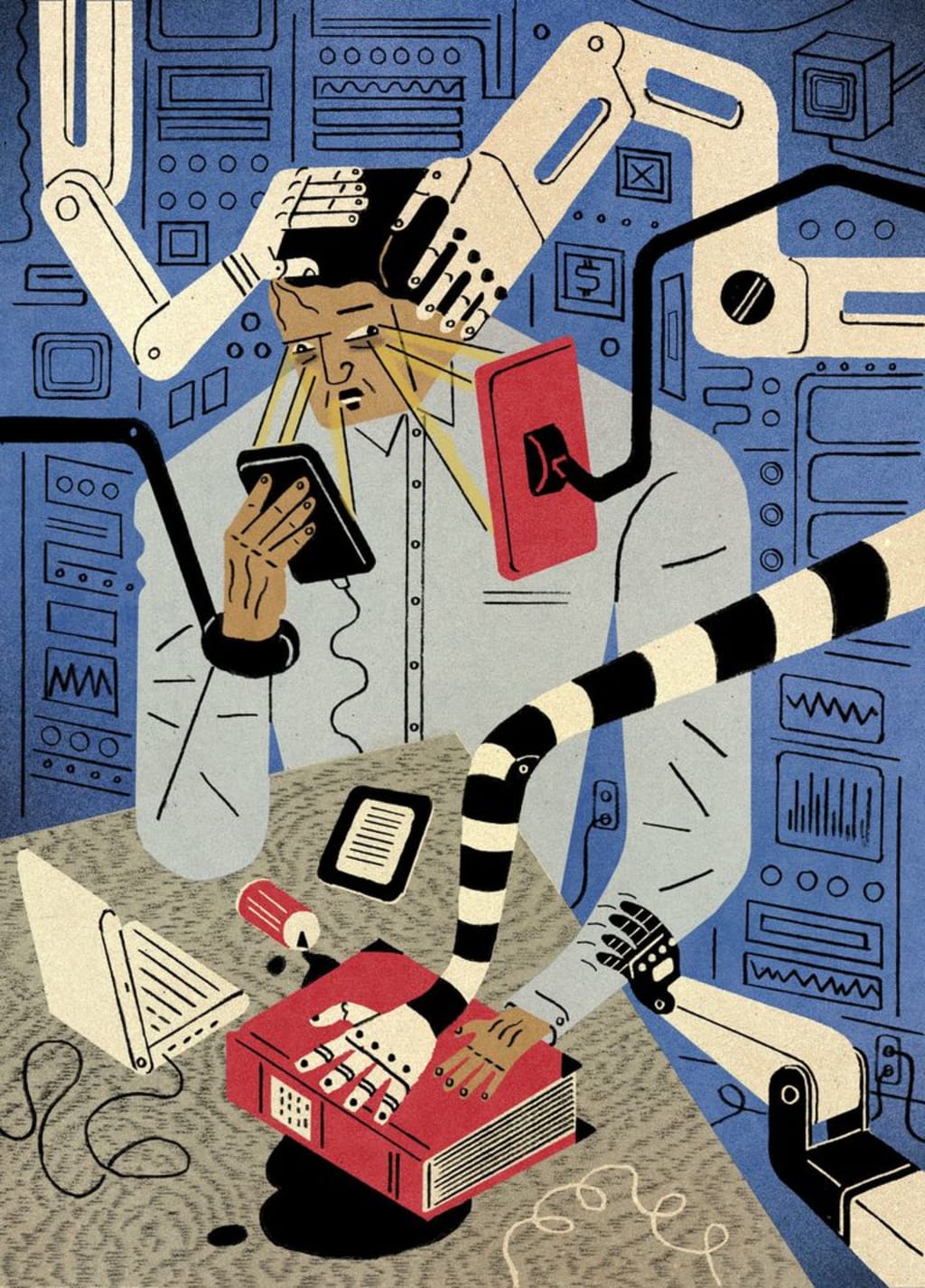
You probably don’t think of yourself as addicted.
You don’t wake up and say, “I need distraction today.” You don’t feel out of control. Everything you do seems normal. Checking your phone, scrolling for a few minutes, watching something to pass time, switching between apps when you’re bored.
It all feels harmless.
And that’s exactly why it works so well.
Because it doesn’t look like a problem.
It looks like a habit.
Something small, something you can stop anytime you want. At least that’s what you tell yourself. But if you really pay attention, you’ll notice something strange.
You rarely sit in silence anymore.
There’s always something filling the space. Music, videos, notifications, messages, background noise. Even when you’re doing nothing, you’re still doing something. Still consuming, still scrolling, still distracting yourself from… what exactly?
That’s the part most people don’t question.
Because the moment everything gets quiet, your mind starts getting louder.
Thoughts show up. Questions you’ve been avoiding. Things you said you’d deal with later. Ideas, doubts, realizations. And instead of sitting with them, you reach for the easiest escape.
Your phone.
Just for a second.
Just to relax.
Just to not think too much.
And before you know it, minutes turn into hours.
Not because you planned it, not because you wanted to waste time, but because distraction is designed to pull you in. It’s easy, it’s available, and it gives you just enough stimulation to keep you from feeling bored.
Or uncomfortable.
That’s what it really is.
An escape from discomfort.
Because boredom today isn’t just “nothing to do.” It feels like something is missing. Like you should be doing something, watching something, checking something. Your mind isn’t used to being still anymore.
And that changes the way you live.
You lose focus faster. You get distracted easier. Tasks that require patience feel harder than they should. You start something, then switch, then switch again. Not because you can’t focus, but because your brain has been trained to expect constant stimulation.
And real life doesn’t always give you that.
Progress doesn’t feel like scrolling. It’s slower. Less exciting. Sometimes repetitive. Sometimes boring. And if your mind is used to quick hits of entertainment, staying consistent with something that doesn’t give instant reward becomes difficult.
That’s where the problem starts showing.
Not in your screen time.
But in your lack of progress.
Because every time you choose distraction over action, you’re reinforcing a pattern. Avoid, escape, delay. It feels small in the moment, but over time, it shapes your habits, your focus, your discipline.
And eventually, your results.
The scary part is how normal it feels.
Everyone is doing it. Everyone is distracted. So it doesn’t stand out. It doesn’t feel like something serious. But normal doesn’t always mean harmless.
Sometimes it just means common.
If you step back and really look at it, you’ll see how often you interrupt your own life. How often you reach for your phone without thinking. How uncomfortable it feels to sit still, to do one thing without switching, to be alone with your thoughts for more than a few minutes.
That’s not accidental.
That’s conditioning.
And the longer it continues, the harder it becomes to break.
But not impossible.
It starts with awareness.
Not deleting everything, not isolating yourself, not making extreme changes overnight. Just noticing. Catching yourself in those moments where you automatically reach for distraction. Pausing for a second. Asking yourself if you actually need it.
Most of the time, you don’t.
You’re just used to it.
And slowly, that awareness gives you control again.
You start choosing when to engage instead of reacting automatically. You start allowing yourself to be bored sometimes, to think, to sit without filling every second with noise.
It won’t feel comfortable at first.
But that’s the point.
Because on the other side of that discomfort is focus. Clarity. The ability to actually be present in what you’re doing instead of constantly escaping it.
And that changes everything.
Because once you’re no longer controlled by distraction, you get your time back.
Your attention back.
Your life back.
And you realize something simple, but powerful:
You were never too busy.
You were just too distracted.
Comments
There are no comments for this story
Be the first to respond and start the conversation.