
You Only Like Things When They’re Hard
Why ease makes you lose interest—and difficulty makes you feel alive

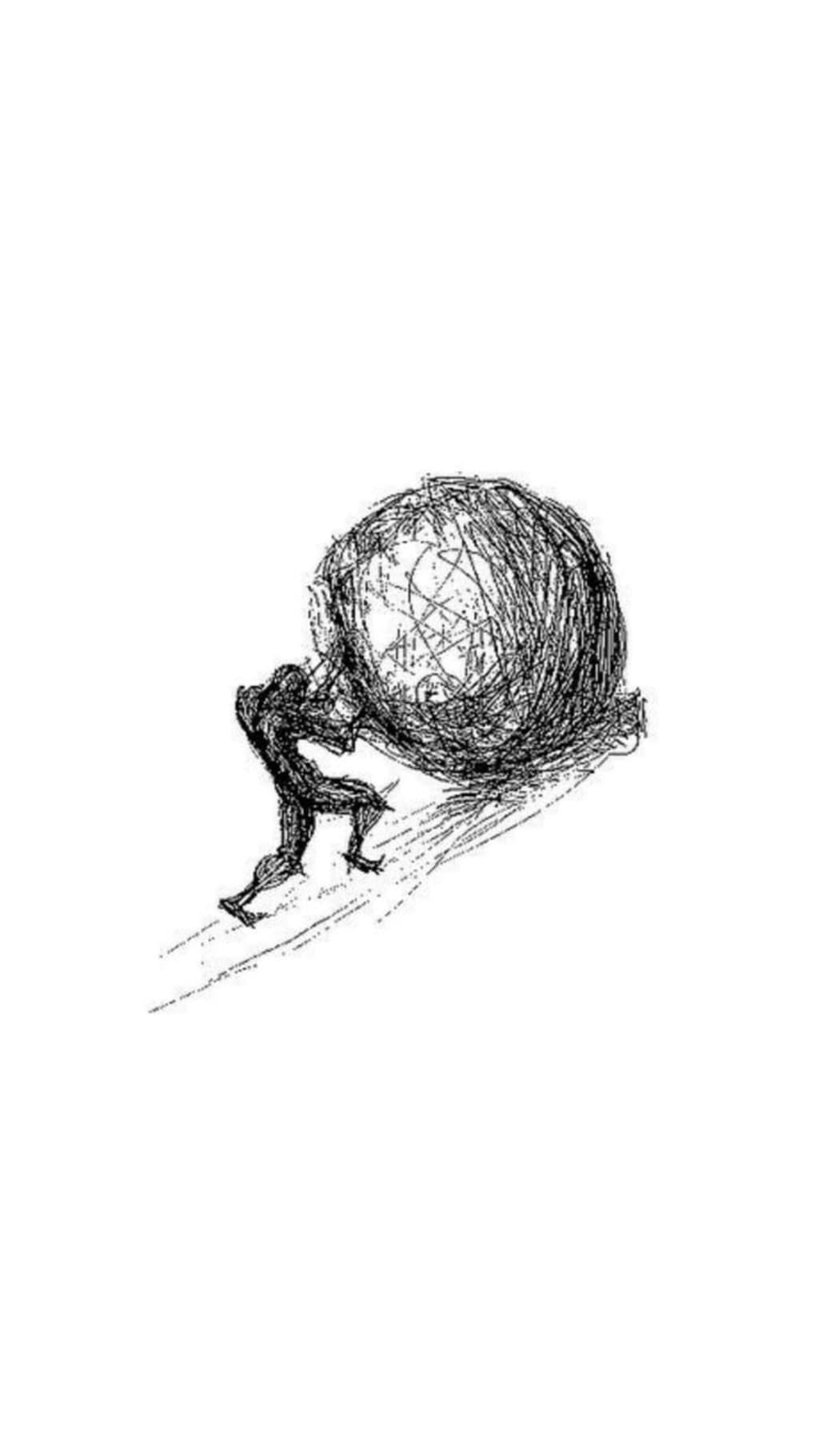
There’s something strange about the way you approach things.
When something is difficult, you’re locked in. You’re focused, committed, and fully present. You push through, you stay consistent, and you feel engaged in what you’re doing.
But when something becomes easy…
You slowly lose interest.
────────────────────────────────────
The hidden addiction to difficulty
You don’t just chase goals—you chase resistance.
The challenge, the struggle, the feeling of “this is hard” is what keeps you connected. It gives you a sense of purpose. It makes you feel like you’re doing something meaningful.
And without realizing it, you start associating difficulty with value.
If something is hard, it must be important.
If something is easy, it must not matter.
So when things become smooth, simple, or natural…
You start pulling away.
────────────────────────────────────
Why ease feels empty
When something no longer requires effort, your mind starts questioning it.
You think:
“Is this still worth it?”
“Am I even growing?”
“Is this too easy now?”
But the truth is, ease is often a sign of progress.
What once required effort now feels natural because you’ve improved. You’ve adapted. You’ve built skill, experience, and understanding.
But instead of recognizing that as growth…
You interpret it as boredom.
And that’s where you make the mistake.
────────────────────────────────────
You confuse peace with stagnation
When things slow down and become stable, it doesn’t feel exciting anymore.
There’s no tension. No pressure. No urgency.
And because you’ve been used to intensity, that calm state feels unfamiliar. Almost like something is missing.
So you start thinking something is wrong.
But nothing is wrong.
You’re just not used to operating without chaos.
────────────────────────────────────
How you sabotage good situations
This pattern shows up everywhere.
You leave situations that are actually good for you—not because they’re bad, but because they don’t challenge you anymore in the same way.
You start something, push through the hard phase, and just when it becomes manageable…
You disconnect.
Not consciously.
But slowly.
You stop giving the same energy. You stop being as present. You look for something else that gives you that “edge” again.
Something harder.
Something that makes you feel that intensity again.
────────────────────────────────────
The difference between growth and discomfort
Not all growth feels hard forever.
In the beginning, everything requires effort. You’re learning, adjusting, figuring things out. That phase is naturally difficult.
But real growth eventually leads to efficiency.
To control.
To ease.
And if you only value things when they’re difficult, you’ll never stay long enough to experience mastery.
Because mastery feels simple.
And you mistake simple for meaningless.
────────────────────────────────────
Learning to stay when things get easy
There’s a different kind of discipline required here.
Not the discipline to push through pain…
But the discipline to stay when things feel easy.
To continue showing up even when there’s no struggle pushing you.
To stay engaged without needing constant intensity.
Because that’s where real depth is built.
That’s where you refine, improve, and fully understand what you’re doing.
────────────────────────────────────
Final thought
You don’t need everything to be hard to prove that it matters.
Sometimes, the most valuable things in your life will feel calm, stable, and easy—not because they’re weak, but because they’re solid.
And if you keep chasing only difficulty, you’ll keep walking away from things that were actually right for you.
Not because they failed…
But because they finally stopped being hard.
Comments
There are no comments for this story
Be the first to respond and start the conversation.