
You Don’t Lack Time—You Leak It
Why your day disappears without you noticing—and how it keeps happening

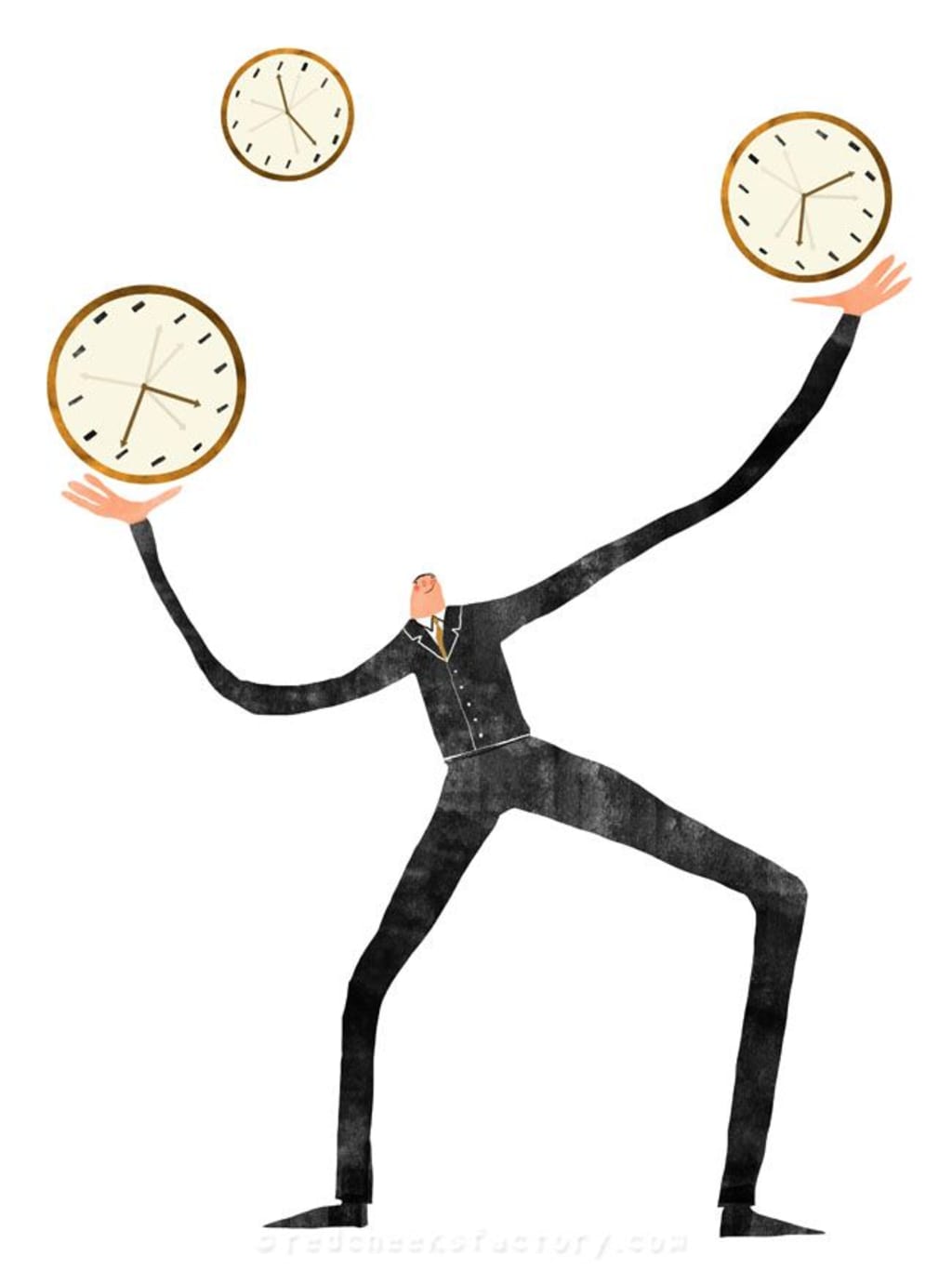
You tell yourself you don’t have enough time. That the day goes by too fast, that there’s too much to do, that you’ll get to things later when you finally have space. It feels real, because when you look back at your day, it’s already gone. Hours passed, energy spent, and somehow the things that actually mattered didn’t get done.
But the truth is a little different.
You don’t lack time.
You leak it.
Not in obvious ways, not in big decisions, but in small moments you barely notice. A quick check on your phone that turns into ten minutes. A short break that becomes an hour. A task you start but don’t finish because something else pulls your attention away. None of it feels serious on its own. Each moment feels harmless.
But together, they add up.
And that’s how your day disappears.
Time rarely gets wasted in one big block. It gets fragmented. Broken into pieces so small you don’t even register them as loss. You stay busy, you stay active, you move from one thing to another—but your focus never stays in one place long enough to create anything meaningful.
So at the end of the day, you feel like you did a lot… but nothing really moved.
That’s the frustrating part.
Because it’s not laziness. It’s not that you’re doing nothing. It’s that your attention is constantly being pulled in different directions, and every time it shifts, you lose a little bit of depth. A little bit of momentum. A little bit of clarity.
And rebuilding that every time takes energy.
That’s why even simple tasks start to feel heavy. Not because they’re difficult, but because your mind is tired from switching so much. You’re not drained from working—you’re drained from scattering your focus.
Most people try to fix this by managing time better.
But time isn’t the real issue.
Attention is.
Because where your attention goes, your time follows. And if your attention is uncontrolled, your time will always feel limited, no matter how much of it you actually have. You’ll keep feeling behind, rushed, and overwhelmed—not because life is too fast, but because you’re not fully present in what you’re doing.
The shift happens when you start protecting your attention the same way you protect your time.
When you stop letting everything interrupt you.
When you choose to finish what you start before moving to something else.
When you become aware of those small leaks instead of ignoring them.
At first, it feels unnatural. You’ll notice how often your mind wants to escape, how quickly you reach for distractions, how uncomfortable it feels to stay focused on one thing for too long. But that discomfort is a sign. It’s showing you exactly where your attention has been slipping.
And once you see it, you can’t unsee it.
You start catching yourself. You start pausing before reacting. You start realizing that not everything needs your immediate response. And slowly, your days begin to feel different.
Not longer—but fuller.
Because now, instead of losing time in pieces, you’re actually using it in blocks. You’re staying in moments long enough to complete them. To understand them. To move something forward instead of constantly resetting your focus.
And that changes everything.
Because a focused hour is worth more than a distracted day.
A completed task is worth more than ten started ones.
And a controlled mind is worth more than any productivity system you could follow.
At the end of it all, it’s not about having more time.
It’s about losing less of it without realizing.
Because once you stop leaking your attention, you stop leaking your life.
Comments
There are no comments for this story
Be the first to respond and start the conversation.