
You Don’t Lack Discipline—You’re Just Too Used to Comfort
Why doing hard things feels harder than it actually is

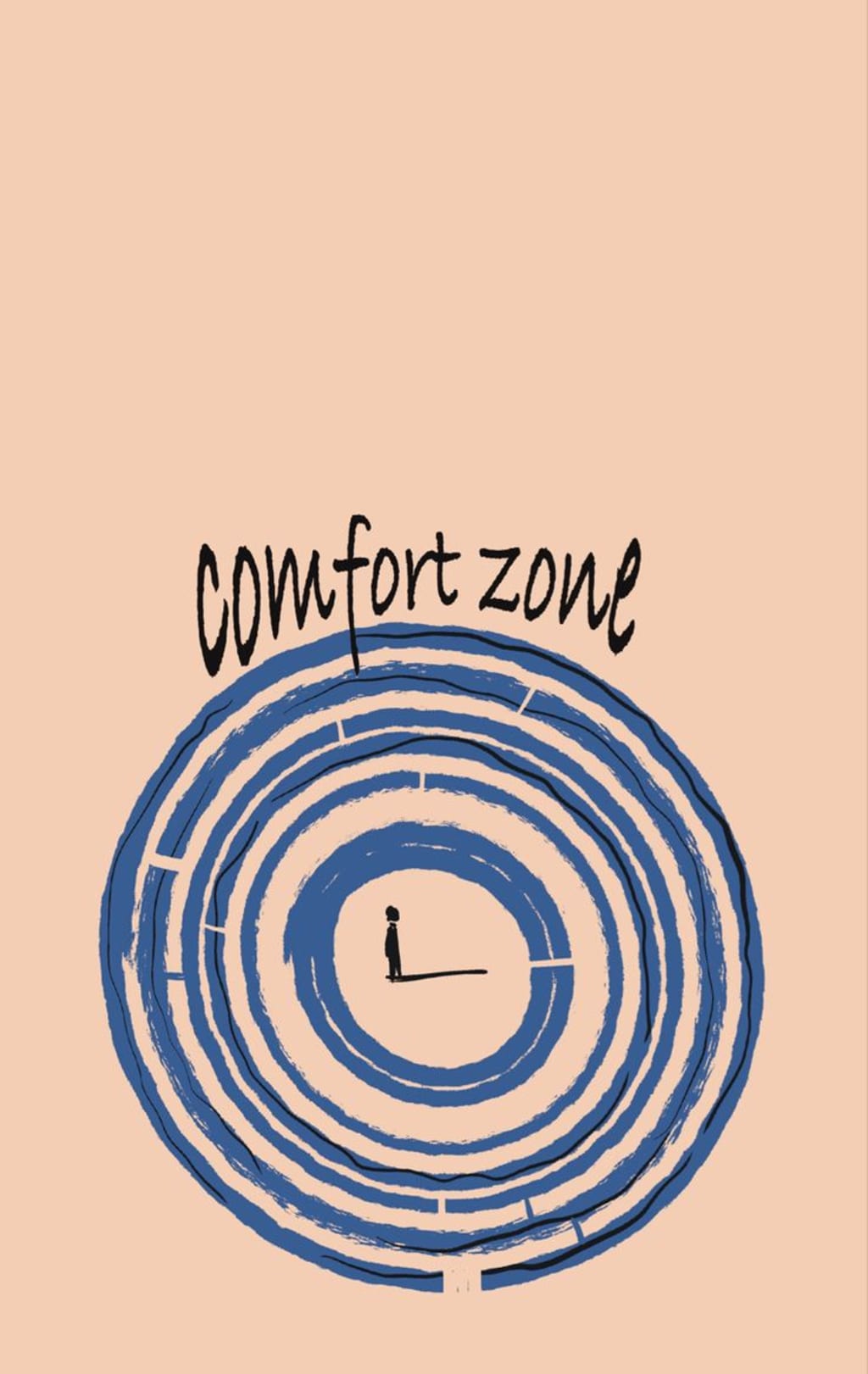
You tell yourself you need more discipline.
More structure, more control, more ability to push through when things get difficult. And it sounds right, because every time you try to stay consistent, there’s resistance. You don’t feel like doing it. You delay. You avoid. You choose something easier.
So you assume the problem is discipline.
But most of the time, it’s not that you can’t do hard things.
It’s that you’re too used to choosing what feels easy.
Because comfort has become your default.
Not in a dramatic way, but in small, repeated decisions. You pick the easier option without thinking. The faster one, the more entertaining one, the one that requires less effort right now.
And over time, that becomes normal.
Your brain adapts to it.
It starts expecting things to feel smooth, quick, and immediately rewarding. So the moment something requires effort, patience, or discomfort, it feels out of place.
Not impossible.
Just unfamiliar.
And unfamiliar often feels harder than it actually is.
That’s why simple things can feel heavy. Starting a task, staying focused, finishing something you began. None of these are extreme challenges, but they require you to stay in something slightly uncomfortable longer than you’re used to.
And that’s where the resistance comes from.
Not from the task itself, but from the contrast.
You’re going from constant stimulation and ease to something that asks for effort and attention. And your brain reacts by pulling you back toward what it knows.
What feels good.
What feels easy.
So you think, “I need discipline to fight this.”
But fighting it isn’t the only way.
Understanding it changes things.
Because once you see that the difficulty isn’t coming from the task, but from what you’re used to, it becomes more manageable. You stop treating every moment of resistance like a big obstacle. You see it as a normal reaction to doing something different.
Something slightly harder than your usual baseline.
And that’s important.
Because discipline isn’t about forcing yourself constantly.
It’s about shifting what feels normal.
Right now, comfort is your baseline.
So anything outside of it feels difficult.
But if you start spending more time doing things that require effort, even in small amounts, that baseline begins to change. What once felt hard becomes familiar. What once required effort becomes automatic.
Not easy, but easier.
And that reduces resistance.
You don’t need as much discipline to do something that feels normal.
That’s why people who are consistent don’t rely on motivation or extreme willpower all the time. They’ve just adapted to a different standard. Their version of “normal” includes effort.
So they don’t question it as much.
They don’t negotiate every action.
They just do it.
That shift doesn’t happen overnight.
It happens through repetition.
Through choosing the slightly harder option more often than the easier one. Through staying in tasks a bit longer than you feel like. Through not immediately escaping discomfort the moment it appears.
And at first, that feels unnatural.
Because you’re going against your habits.
But over time, it stabilizes.
You stop reacting to every impulse.
You stop needing things to feel good immediately.
You build tolerance for effort.
And that’s what people call discipline.
Not something you either have or don’t have, but something you develop by changing what you’re used to.
So the next time you feel like you lack discipline, look at what you’ve been practicing.
Not intentionally, but daily.
Because if you’ve been practicing comfort, then discomfort will always feel harder than it needs to be.
But if you start practicing effort, even in small ways, that balance shifts.
And once it does, you won’t need to force yourself as much.
Because what used to feel hard will start to feel normal.
And when effort becomes normal, discipline becomes natural.
Comments
There are no comments for this story
Be the first to respond and start the conversation.