
You Don’t Hate Your Life — You Hate What It’s Becoming
The subtle difference that explains why you feel off lately

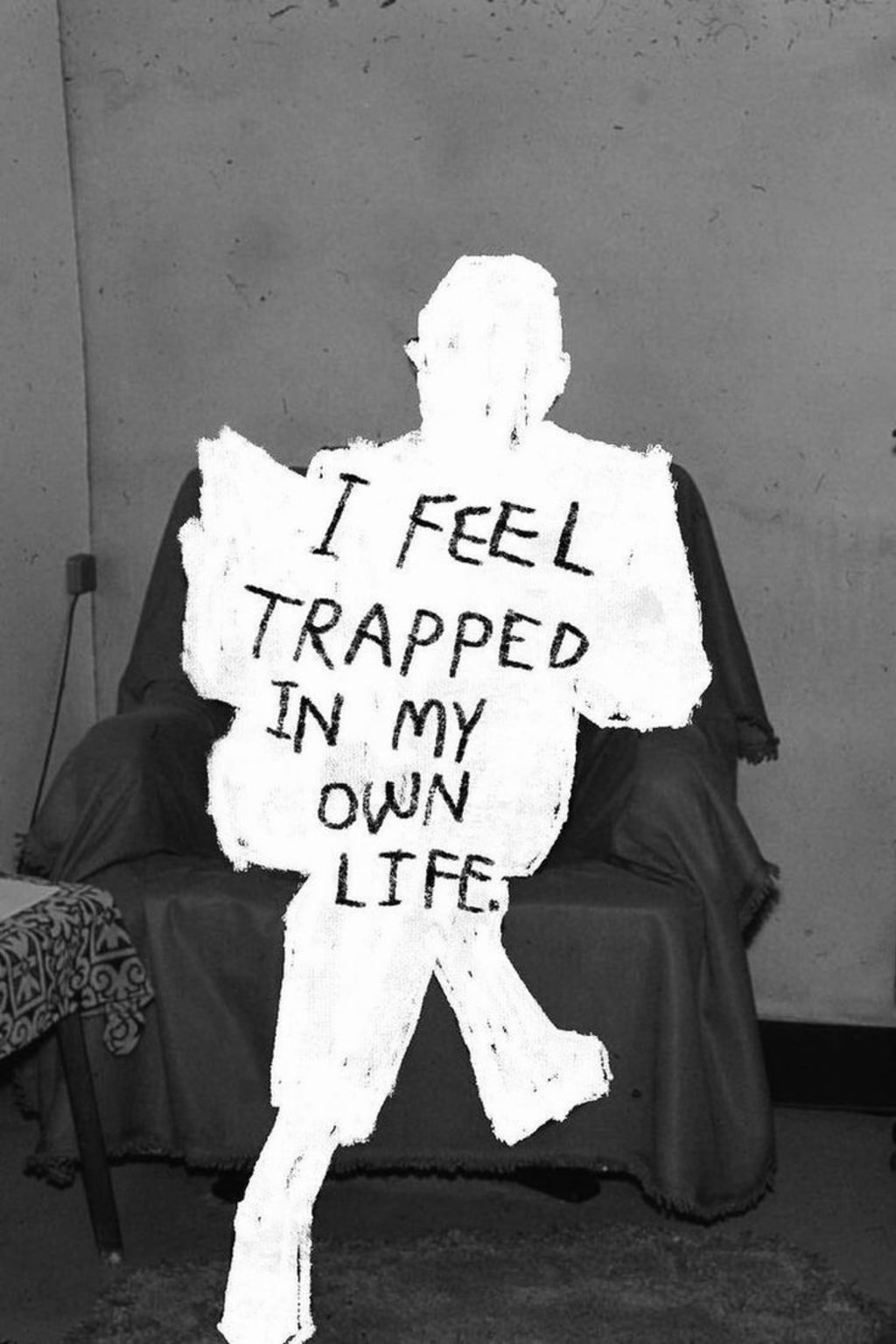
Most people don’t wake up one day and suddenly hate their life. It doesn’t happen in one dramatic moment where everything falls apart. Instead, it builds slowly, almost quietly, in the background of everyday routines. At first, everything seems fine. You’re doing what you’re supposed to do, following a certain path, staying consistent with what feels normal. But over time, something starts to feel off.
It’s not always easy to explain.
You might still have stability. You might still have structure. From the outside, your life might even look “good enough.” But internally, there’s this growing sense of dissatisfaction. Not strong enough to completely disrupt your life, but present enough that you can’t ignore it either.
That feeling doesn’t come from nowhere.
It usually comes from the realization that your current direction isn’t fully aligned with who you want to be. Not necessarily in a dramatic way, but in small, subtle ways that add up over time. You begin to notice that your daily actions don’t really reflect your deeper goals. You start to feel like you’re just maintaining a routine instead of actually moving forward.
And that’s where the discomfort begins.
Because there’s a difference between living a life and progressing in it.
When you’re progressing, even slowly, there’s a sense of purpose. You feel like your actions are leading somewhere. There’s direction, even if it’s not perfectly clear. But when you’re just repeating the same patterns without growth, things start to feel stagnant.
That stagnation creates frustration.
Not the loud kind, but the quiet kind. The kind that shows up at night when everything slows down. The kind that makes you question whether you’re really using your time the way you should. The kind that makes you feel like something needs to change, even if you don’t know exactly what.
The problem is, most people ignore that feeling.
They distract themselves. They stay busy. They convince themselves that things are fine because nothing is “wrong” on the surface. But ignoring it doesn’t make it go away. It just allows it to grow.
Slowly, that quiet dissatisfaction turns into something heavier.
You lose motivation. You feel less engaged with your own life. Things that used to matter start to feel less important. And instead of feeling like you’re building something, you start to feel like you’re just passing time.
That’s when people start saying they “hate their life.”
But the truth is, they don’t hate their life itself.
They hate what it’s becoming.
They hate the direction it’s heading in.
They hate the gap between where they are and where they feel they should be.
And that distinction matters.
Because if you hated your life completely, you would probably make drastic changes. You would feel forced to act. But when it’s this subtle dissatisfaction, it’s easier to stay stuck. Easier to tolerate it. Easier to keep going without addressing it.
That’s why so many people stay in that state for so long.
Not miserable enough to change.
Not satisfied enough to feel at peace.
Just stuck in between.
But that feeling is actually important.
It’s a signal.
It’s your mind telling you that something needs adjustment. That your current path isn’t fully aligned with what you want. And instead of ignoring it, it’s something you should pay attention to.
Not by overreacting, but by being honest with yourself.
Looking at your habits.
Your routine.
Your priorities.
And asking whether they’re actually leading you somewhere meaningful.
Because small changes in direction can completely shift where you end up.
You don’t need to rebuild your entire life overnight.
But you do need to stop moving on autopilot.
You need to start making intentional decisions again.
Decisions that reflect the person you want to become, not just the life you’ve gotten used to.
Because the longer you ignore that quiet feeling…
The louder it becomes.
And eventually, it forces change anyway.
So it’s better to listen to it now.
While it’s still a signal.
And not a breaking point.
Comments
There are no comments for this story
Be the first to respond and start the conversation.