
You Don’t Hate the Process—You Hate Not Being Good Yet
Why frustration is usually about ego, not effort

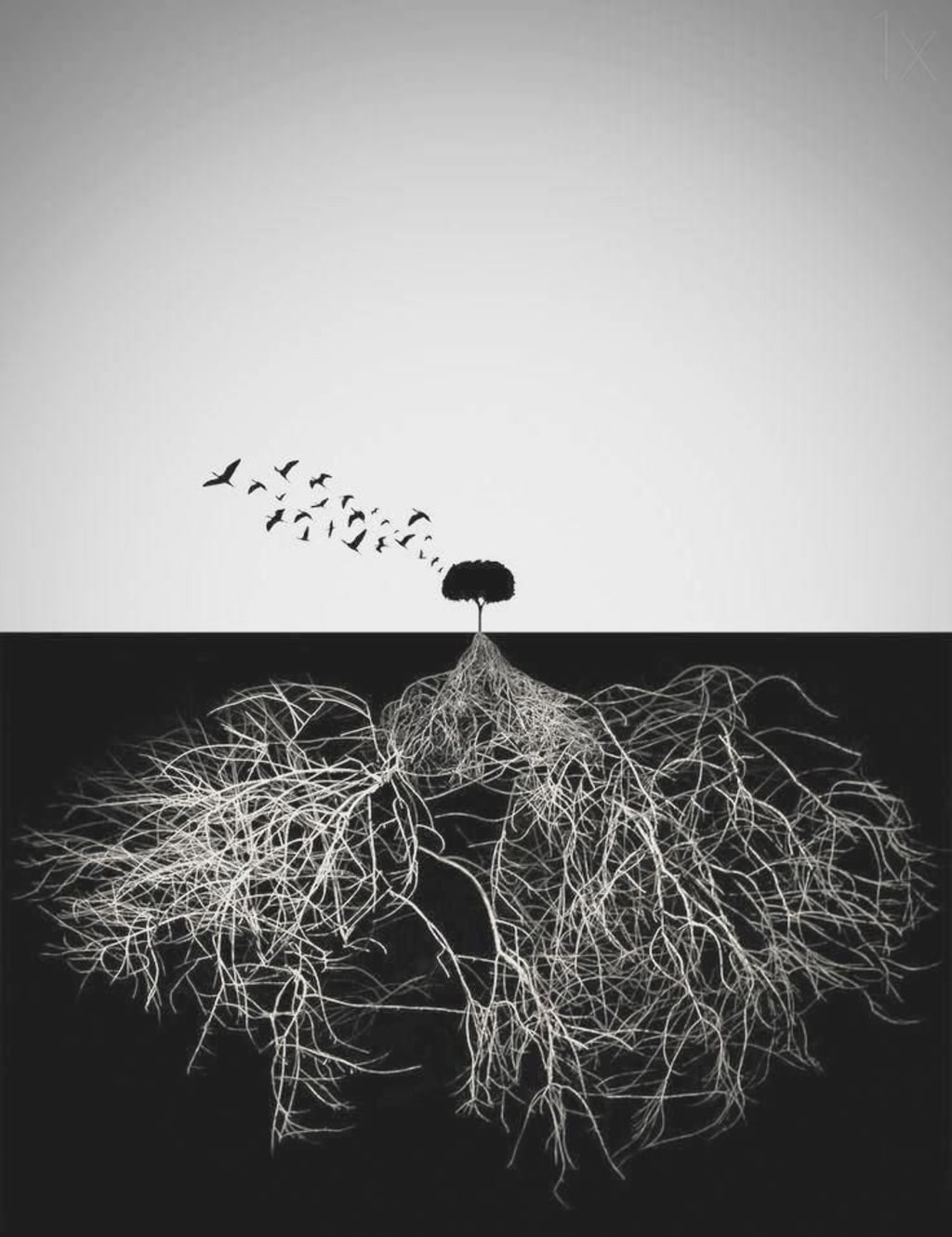
A lot of the time, when you say you hate doing something, that you’re tired of it, bored of it, or just not feeling it anymore, it’s not actually about the thing itself. It’s about how it makes you feel while you’re doing it. And more often than not, that feeling is tied to one simple reality—you’re not as good at it as you want to be yet. That gap between where you are and where you think you should be creates frustration, and your mind translates that frustration into “I don’t like this.” But if you were already good, if things were flowing, if results were coming easier, you wouldn’t feel the same resistance. You wouldn’t question it as much. You wouldn’t feel like stopping every time it gets uncomfortable. Because it’s not the process that’s pushing you away—it’s the feeling of being average, or even worse, being a beginner again. And that hits your ego more than you realize. You’re used to being comfortable in things you already understand, things where you can move without thinking too much, where you feel in control. But the moment you step into something that challenges that, something where you’re not immediately sharp, where you make mistakes, where progress is slow, it feels like a step backward. And nobody likes feeling like they’re going backward. So instead of recognizing that as part of growth, you start labeling the activity itself as the problem. You say it’s boring, or it’s not for you, or it’s not worth it. But if you look deeper, it’s not boredom—it’s resistance to discomfort. Because real growth doesn’t feel clean. It feels repetitive, slow, sometimes even pointless. You do the same thing over and over without immediate results. You try, fail, adjust, try again. And during that phase, there’s no external reward keeping you motivated. It’s just you, dealing with your own expectations and your own impatience. That’s where most people stop. Not because they can’t do it, but because they don’t like how it feels to not be good yet. They want the result without sitting in that uncomfortable middle phase. But that phase is the process. There is no shortcut around it. And the people who eventually become great at something aren’t the ones who avoided that feeling—they’re the ones who stayed long enough for it to pass. Because it does pass. At some point, things start clicking. Movements become smoother. Thinking becomes clearer. Results start showing. And suddenly, the same thing that felt frustrating begins to feel satisfying. Not because the activity changed, but because your relationship to it changed. You’re no longer fighting it—you’re moving with it. And that’s why it’s important to be honest with yourself when you feel like quitting something. Ask yourself if you truly dislike it, or if you just dislike being in the phase where you’re not good yet. Because those are two very different things. One is a genuine lack of interest. The other is a temporary discomfort that comes with improvement. And if you confuse the two, you’ll keep walking away from things that could have been meaningful, simply because you didn’t stay long enough to get past the hard part. The truth is, almost everything worth doing has a phase where it feels like you’re not progressing fast enough. Where you question yourself. Where you feel behind. That’s not a sign to stop—it’s a sign that you’re in the part most people avoid. And if you can stay there, if you can keep showing up even when it feels slow and uncomfortable, you give yourself a chance to actually get somewhere. Not instantly, not perfectly, but steadily. And that’s how real progress happens—not by loving every moment, but by understanding that the moments you don’t love are often the ones that matter the most.
Comments
There are no comments for this story
Be the first to respond and start the conversation.