
You Don’t Hate the Process—You Hate Not Being Good at It Yet
Why frustration is often just unfamiliarity in disguise

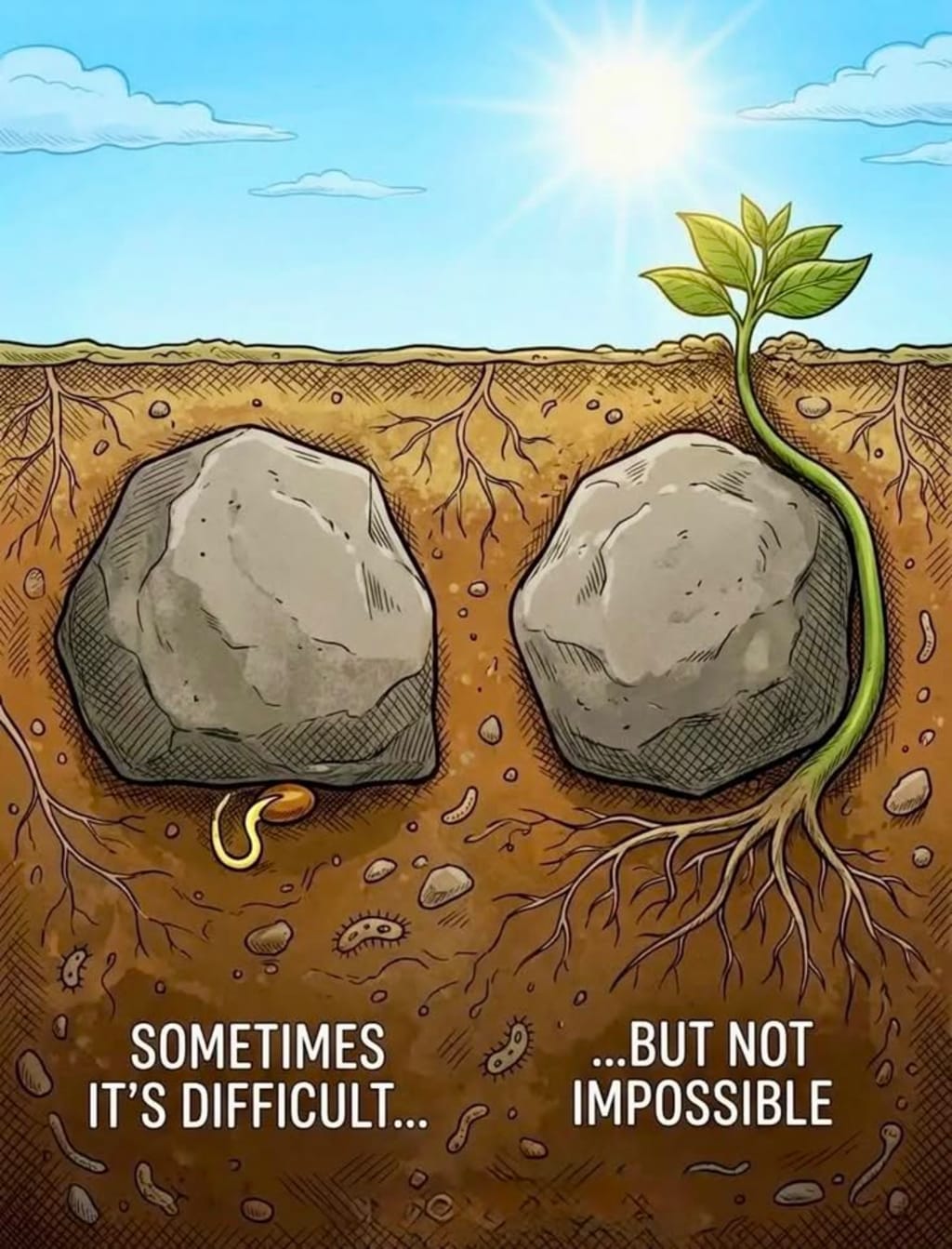
A lot of people say they don’t enjoy the process. That they don’t like the work it takes to get better at something. They tell themselves it’s not for them, that it’s too hard, too repetitive, too frustrating. But if you look closer, most of the time, it’s not the process they hate.
It’s the feeling of not being good at it.
Because when you’re new at something, everything feels slow. You make mistakes you can’t always explain. You don’t have rhythm yet, no confidence, no sense of control. You try, but the result doesn’t match what you had in your head.
And that gap is uncomfortable.
You know what “good” looks like, but you can’t produce it yet.
So every attempt feels like proof that you’re not there.
And instead of seeing that as part of the process, you start associating the entire thing with frustration. You tell yourself you don’t enjoy it, when really, you don’t enjoy feeling incompetent.
That’s a big difference.
Because the process itself hasn’t changed—your relationship to it has.
When you’re good at something, the same actions feel completely different. The repetition becomes flow. The difficulty becomes challenge instead of struggle. You start seeing progress, and that reinforces your effort.
So now, you “like” the process.
But it’s not because the process became easier.
It’s because you became better.
That’s why people quit too early. Not because they lack discipline or interest, but because they interpret the early stage incorrectly. They think the frustration means they’re on the wrong path, when in reality, it often just means they’re at the beginning.
And beginnings are messy.
They’re slow, inconsistent, and full of errors.
There’s no way around that.
But most people aren’t patient enough to go through that phase without judging themselves. They expect some level of competence too quickly. And when it doesn’t show up, they lose interest.
Not in the outcome.
But in the feeling of getting there.
The shift happens when you stop expecting yourself to be good early on. When you accept that being bad at something is part of the process, not a sign that you shouldn’t be doing it.
You stop taking every mistake personally.
You stop using frustration as a signal to quit.
Instead, you start seeing it as feedback.
As information.
Something that shows you where you are, not where you’ll stay.
And that changes how you approach the work.
You become more consistent, not because it suddenly feels amazing, but because you’re no longer resisting the reality of where you are. You’re not trying to skip steps. You’re not expecting results that don’t match your current level.
You’re just building.
Slowly.
And over time, things start to shift.
You understand more.
You move with more confidence.
You make fewer mistakes.
And the same process that once felt frustrating starts to feel engaging.
Not easy, but manageable.
Not perfect, but rewarding.
And that’s when most people say they “started to enjoy it.”
But what really happened is simple.
They got past the part where they felt lost.
That’s the part that filters people out.
Not the difficulty of the process, but the discomfort of being a beginner.
So the next time you feel like you hate something you’re trying to learn, pause before you walk away from it. Ask yourself if you actually dislike the process, or if you just don’t like how it feels to not be good at it yet.
Because if it’s the second one, quitting won’t solve it.
It’ll just restart the same cycle somewhere else.
And the only way out of that cycle is to stay long enough to get better.
Comments
There are no comments for this story
Be the first to respond and start the conversation.