
You Don’t Enjoy Things Anymore—You Evaluate Them
How constantly judging everything is killing your ability to actually feel anything

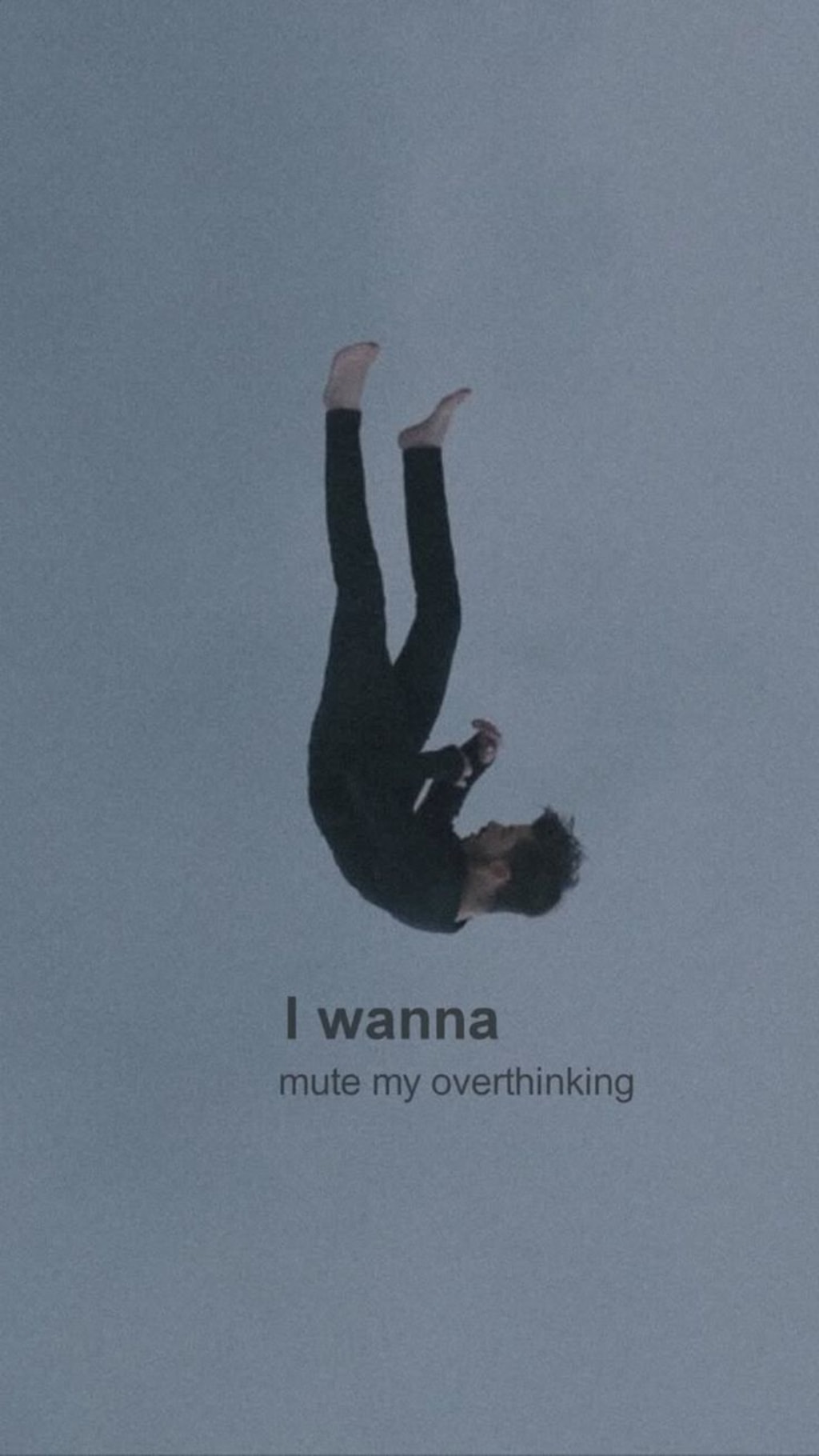
At some point, without realizing it, you stopped simply experiencing things and started evaluating them.
It doesn’t feel obvious at first. It’s not like you made a conscious decision to do it. It just slowly became part of how your mind works. You go through moments, conversations, experiences, and instead of just being in them, a part of your brain is always analyzing.
Is this good or bad?
Was that worth it?
Did I enjoy that enough?
Could this have been better?
That constant layer of evaluation creates distance between you and what’s actually happening.
Instead of feeling something directly, you process it first. You judge it, label it, compare it, measure it against expectations. And by the time you’re done doing that, the moment itself has already passed.
This is why a lot of things don’t feel as enjoyable as they used to.
Not because they’re worse.
But because you’re no longer fully inside them.
You’re observing them while they happen.
Think about how often you do this without noticing.
You watch something, and instead of just getting lost in it, you think about whether it’s interesting enough.
You go somewhere, and instead of just being there, you question if it’s worth your time.
You talk to someone, and part of your attention is focused on how the interaction is going instead of simply being present in it.
Even when something is good, you don’t fully feel it.
Because you’re busy deciding that it’s good.
That might sound like a small difference, but it changes everything.
Because enjoyment doesn’t come from evaluation.
It comes from immersion.
From letting yourself be fully in an experience without stepping outside of it to analyze it in real time.
But in a world where everything is rated, reviewed, compared, and constantly judged, your mind adapts to that pattern.
You start treating your own life the same way.
Every experience becomes something to assess.
Every moment becomes something to measure.
And that creates pressure.
Because now, things aren’t just happening—they have to meet a certain standard.
They have to be interesting enough.
Enjoyable enough.
Meaningful enough.
And when they don’t reach that level, even slightly, they feel disappointing.
Not because they truly are, but because you expected more from them.
That’s how simple moments lose their value.
Not because they changed…
But because your way of experiencing them did.
You replaced presence with judgment.
And the more you do that, the harder it becomes to just let things be what they are.
Your mind keeps interrupting the experience.
Keeps pulling you out of it.
Keeps asking questions that don’t need to be asked in that moment.
Over time, this leads to a kind of quiet numbness.
Nothing feels fully satisfying.
Not because nothing is good…
But because nothing is fully felt.
Everything is filtered through analysis first.
And analysis doesn’t create emotion.
It reduces it.
The shift back is not about forcing yourself to enjoy things.
It’s about removing the constant need to evaluate them while they’re happening.
Letting moments exist without immediately labeling them.
Allowing experiences to unfold without deciding their value in real time.
That means watching something without questioning if it’s “worth it.”
Spending time somewhere without measuring how productive or meaningful it is.
Talking to someone without analyzing every detail of the interaction.
At first, it feels strange.
Almost like you’re losing control.
Because evaluation gives you a sense of structure, a sense of understanding.
But once you let go of it, even briefly, something changes.
Things start to feel more direct.
More real.
Less filtered.
You become more involved, more present, more connected to what’s actually happening.
And slowly, enjoyment comes back.
Not because things became better…
But because you stopped standing outside of them.
Because at the end of the day, life is not something you’re supposed to constantly judge.
It’s something you’re supposed to experience.
And the more you remember that…
The more alive everything starts to feel again.
Comments
There are no comments for this story
Be the first to respond and start the conversation.