
You Don’t Actually Want Freedom—You Want Comfort That Feels Like Freedom
Why what you call “freedom” is often just controlled safety

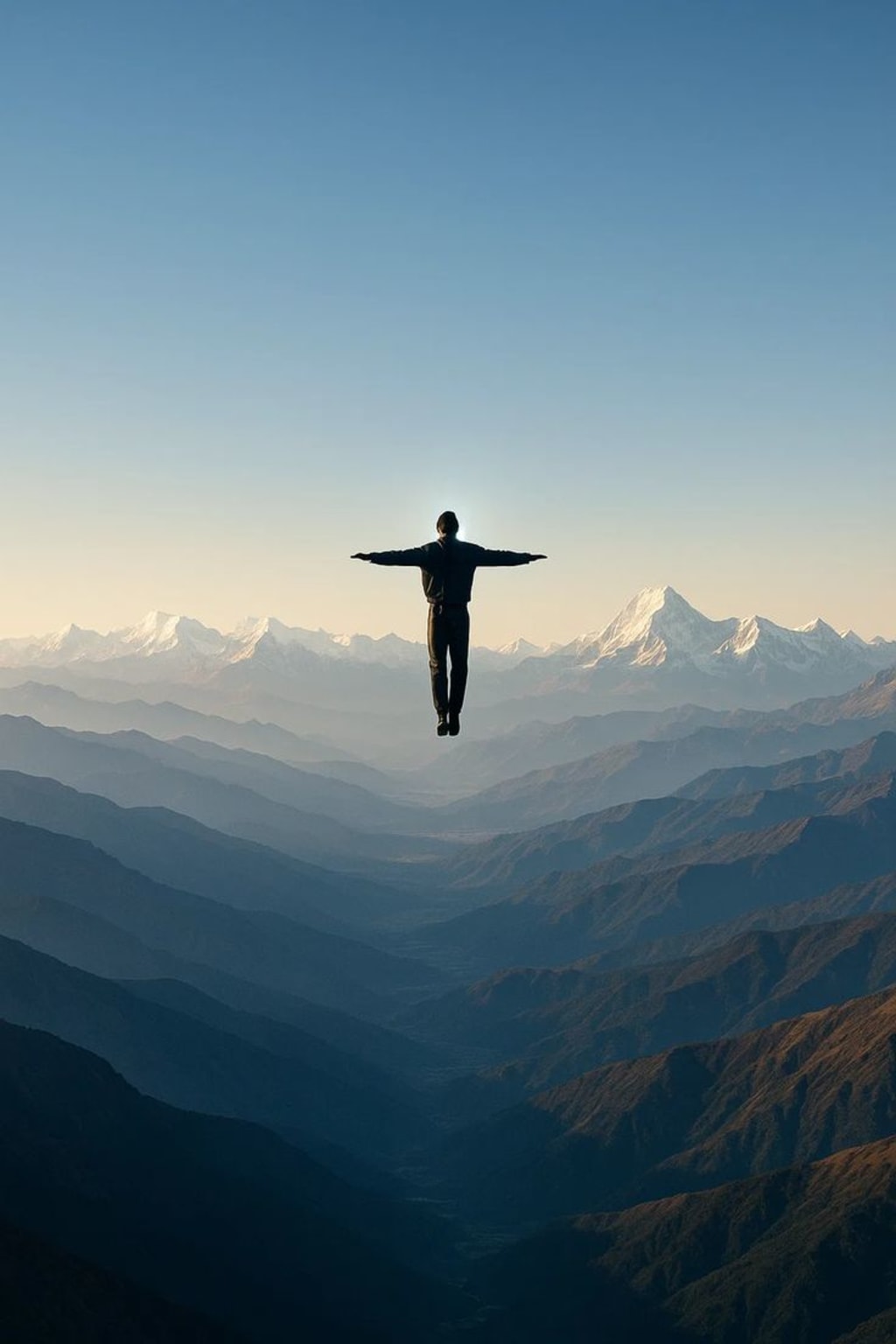
People talk a lot about wanting freedom. Freedom to do what they want, move how they want, live without limits or pressure. It sounds powerful, almost like the ultimate goal. No restrictions, no obligations, no one telling you what to do. Just you, fully in control of your life. But if you really look at how most people move, that’s not actually what they’re chasing.
What they want is comfort.
And not just any comfort—comfort that feels like freedom.
Because real freedom is unpredictable. It comes with uncertainty, risk, and responsibility. When you’re truly free, there’s no structure forcing you in a direction. No guarantees. No clear path laid out. And that sounds exciting in theory, but in reality, it can feel overwhelming. Because now everything depends on you. Every decision, every outcome, every mistake.
And most people don’t want that level of weight.
So instead, they build a version of life that feels safe but still looks like freedom from the outside. They stay in environments they understand. They follow routines that don’t challenge them too much. They avoid situations where they might fail or lose control. And they tell themselves, “I’m choosing this, so I’m free.”
But choosing something comfortable doesn’t automatically make it freedom.
It just makes it familiar.
That’s why you’ll see people say they want to change, want to explore, want to do more—but they stay in the same patterns. Not because they’re lazy or incapable, but because stepping outside of that comfort means facing uncertainty. And uncertainty feels like a loss of control.
So they stay where things are predictable.
Where they know what to expect.
Where they don’t have to question themselves too much.
And over time, that comfort becomes a quiet limitation.
Not an obvious one, not something that feels like being trapped, but something subtle. It shows up in the things you avoid. The risks you don’t take. The ideas you don’t act on. The version of yourself you don’t fully step into.
Because deep down, you’re not protecting your freedom.
You’re protecting your comfort.
Real freedom looks different. It doesn’t always feel good. It means making decisions without knowing if they’ll work. It means taking responsibility when things go wrong. It means stepping into situations where you don’t feel fully prepared.
And that’s uncomfortable.
But that discomfort is part of what makes it real.
Because now you’re not just repeating what you know—you’re expanding beyond it.
The problem is, comfort can easily disguise itself as enough. It tells you, “This is fine. You don’t need more. You don’t need to push further.” And for a while, that feels true. Things are stable. Nothing is falling apart. You’re functioning.
But there’s usually a quiet voice underneath that.
The one that wonders what would happen if you actually took the risk.
If you stepped out of the routine.
If you allowed yourself to face something uncertain.
That voice doesn’t go away by ignoring it.
It just gets quieter over time.
Until you either listen to it or lose touch with it completely.
And that’s where people start feeling stuck without understanding why. Because on the surface, everything looks okay. But internally, there’s a lack of movement, a lack of challenge, a lack of growth.
And that’s the trade-off of choosing comfort over real freedom.
You feel safe, but you don’t feel fully alive.
The shift happens when you start being honest about what you’re actually choosing. Not labeling comfort as freedom, but recognizing it for what it is. And then deciding, consciously, if you’re okay with that.
Because there’s nothing wrong with comfort.
But there is something limiting about calling it something it’s not.
Once you see the difference, you move differently. You start allowing a bit more uncertainty into your life. A bit more risk. A bit more responsibility. Not all at once, not in a way that breaks you, but enough to create movement.
Enough to feel like you’re actually choosing your path, not just maintaining it.
And that’s closer to real freedom than comfort will ever be.
Comments
There are no comments for this story
Be the first to respond and start the conversation.