
You Don’t Actually Think for Yourself
Most of your opinions aren’t even yours—they’re borrowed

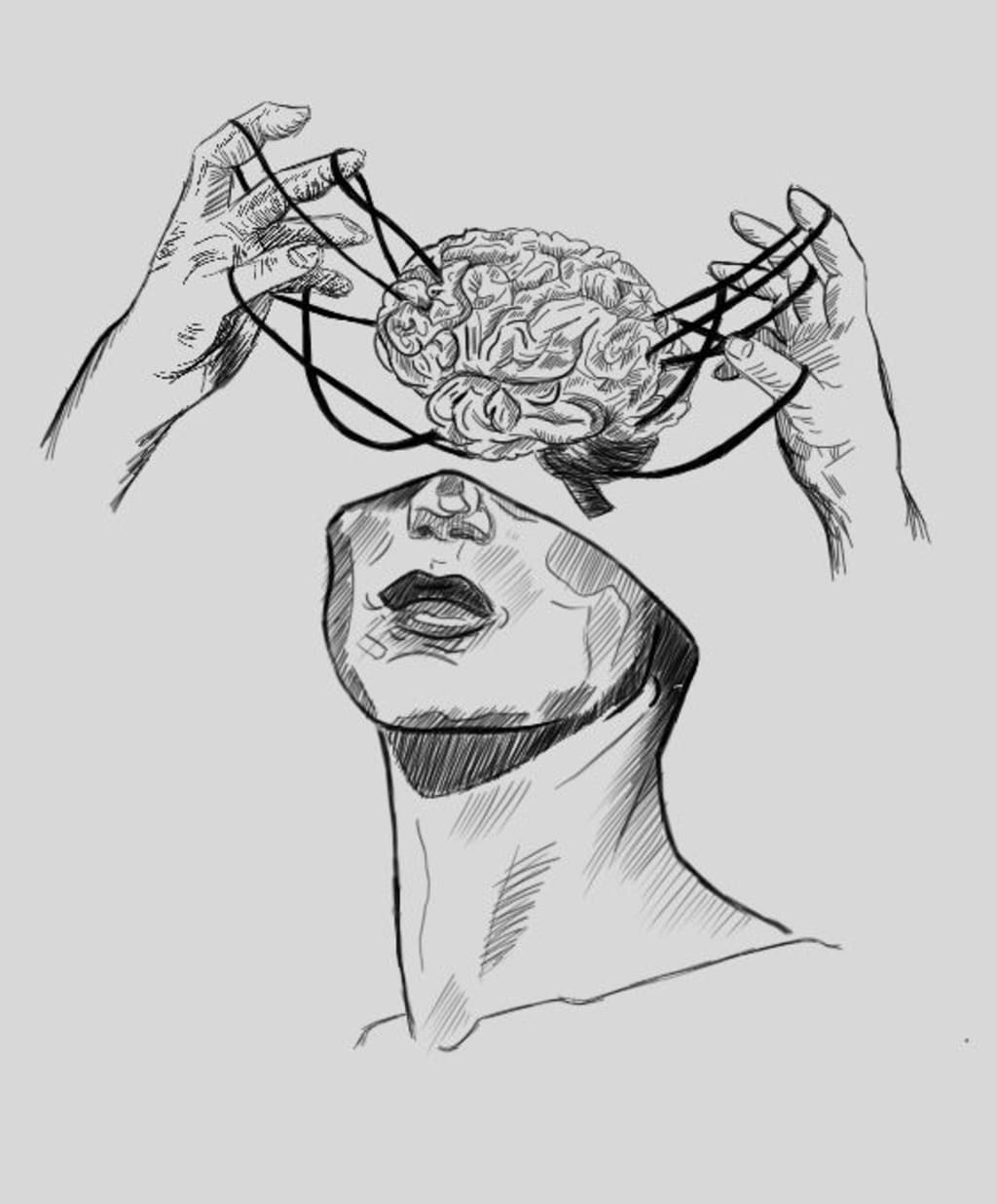
You probably believe your thoughts are your own.
Your opinions, your preferences, your beliefs… they feel personal. They feel like something you built over time based on your experiences and your understanding of the world.
But if you slow down and really examine them, you might notice something uncomfortable.
A lot of what you think… didn’t actually start with you.
It came from somewhere else.
From what you watch.
From what you hear.
From the people around you.
From the environment you’ve been in for years.
And the crazy part is—you didn’t even notice it happening.
Because it doesn’t feel forced.
It feels natural.
That’s how influence works best.
Not when it’s obvious, but when it blends into your thinking so smoothly that you assume it was always yours.
Think about how many of your opinions you’ve never truly questioned.
Not deeply.
Not seriously.
You just accepted them.
Because they made sense at the time.
Because people around you agreed.
Because they aligned with what you kept hearing.
And over time, repetition turned into belief.
That’s how most minds are shaped.
Not through careful thinking…
But through exposure.
The more you see something, the more normal it feels.
The more normal it feels, the more you accept it.
And the more you accept it, the more it becomes part of your identity.
Without you ever consciously choosing it.
That’s why two people can grow up in completely different environments and see the world in completely different ways… while both believing they’re “right.”
Because neither of them built their thinking from scratch.
They inherited it.
Filtered it.
Adjusted it slightly.
But the foundation?
It was already there before they even started questioning anything.
And the same thing applies to you.
Your mindset didn’t appear out of nowhere.
It was influenced, shaped, and reinforced over time.
By social media.
By trends.
By what gets attention and what gets ignored.
By what’s rewarded and what’s criticized.
And slowly, all of that starts forming invisible boundaries around your thinking.
You don’t notice them.
But they’re there.
They define what you consider “normal.”
What you consider “possible.”
What you consider “right” or “wrong.”
And anything outside of those boundaries feels uncomfortable.
Not because it’s wrong…
But because it’s unfamiliar.
That’s why most people don’t think as independently as they believe they do.
They think within a framework they didn’t fully choose.
And as long as they stay inside it, everything feels fine.
But the moment they step outside of it…
They feel resistance.
Doubt.
Confusion.
That’s where real thinking begins.
Not when you repeat ideas that feel comfortable…
But when you question them.
When you challenge them.
When you ask yourself:
Do I actually believe this?
Or…
Did I just absorb it?
That’s not an easy process.
Because it forces you to let go of certainty.
It forces you to accept that some of the things you’ve believed for a long time might not be as solid as you thought.
And most people avoid that.
They’d rather stay comfortable than be uncertain.
But comfort comes with a cost.
Because if you never question your thinking…
You never really own it.
You just carry it.
And that’s the difference between having a mind…
And using it.
The goal isn’t to reject everything you’ve learned.
It’s to become aware of it.
To see where your thoughts come from.
To understand why you believe what you believe.
And then decide, consciously, what stays and what doesn’t.
That’s how you build something real.
Something that actually belongs to you.
Because thinking for yourself isn’t about having unique opinions just for the sake of it.
It’s about not being controlled by ideas you never chose.
And once you start seeing that clearly…
You realize how rare it actually is.
Comments
There are no comments for this story
Be the first to respond and start the conversation.