
Wild Waves Theme Park Closure Left Families Heartbroken
For many families, theme parks are more than rides and attractions. They become emotional landmarks connected to childhood memories, summer traditions, first dates, and family vacations.

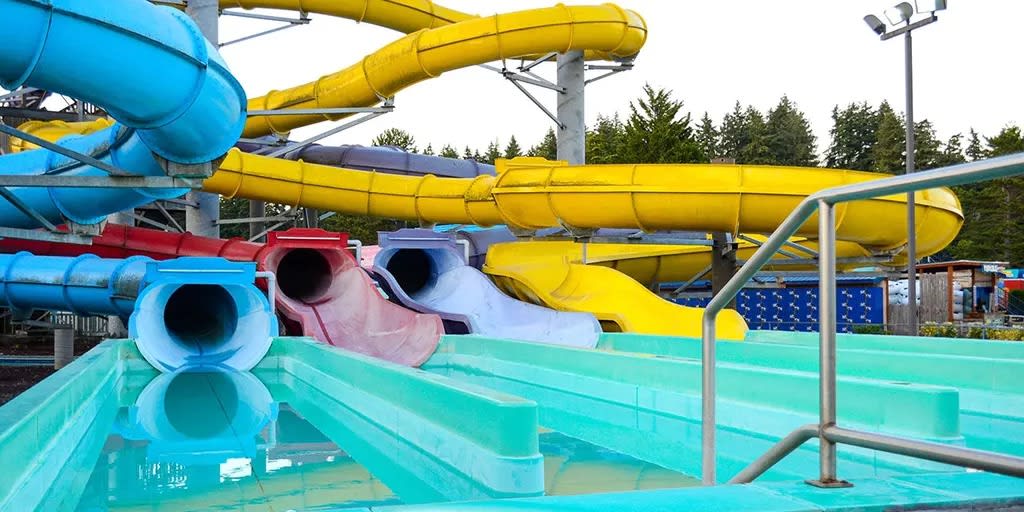
For many families, theme parks are more than rides and attractions. They become emotional landmarks connected to childhood memories, summer traditions, first dates, and family vacations. The possibility of a wild waves theme park closure carries emotional weight because places like these often become part of people’s personal histories. Parents remember bringing their children there years ago. Teenagers remember laughing with friends on crowded summer afternoons. Even simple details like the smell of food stands or the sound of roller coasters can stay in memory for decades.
When rumors or discussions about closures begin surrounding beloved amusement parks, people react emotionally because they fear losing more than entertainment. They fear losing a piece of their past. That emotional connection explains why conversations around Wild Waves
Why Theme Parks Mean More Than Entertainment
Theme parks create emotional experiences people remember for years.
Unlike ordinary businesses, amusement parks often become connected to important life moments.
Children celebrate birthdays there.
Teenagers spend summers there with friends.
Couples go on dates there.
Families return year after year building traditions around familiar rides and attractions.
Because of this emotional connection, even rumors involving wild waves theme park closure create strong reactions.
People are not simply discussing a business.
The History Behind Wild Waves
Wild Waves Theme and Water Park has long been recognized as one of the Pacific Northwest’s best-known amusement and water parks.
Located in Washington state, the park became a familiar summer destination for generations of families.
For many local residents, Wild Waves represented affordable family fun close to home.
Unlike massive destination parks requiring expensive travel, Wild Waves felt personal and accessible.
That familiarity helped create strong emotional loyalty among visitors.
Why Closure Rumors Spread So Quickly
Theme park closure rumors spread rapidly online because people react emotionally to losing familiar places.
Social media increases this effect dramatically.
A single post mentioning possible closure can trigger thousands of reactions within hours.
People begin sharing memories immediately.
Old photos resurface.
Former employees tell stories.
Families discuss childhood experiences connected to the park.
This emotional response creates momentum online even before official announcements appear.
Nostalgia Makes Closures Feel Personal
Nostalgia affects people more deeply than many realize.
Human beings emotionally attach themselves to places connected with positive memories.
A roller coaster may seem like simple entertainment on the surface.
But emotionally, it may represent childhood freedom, family bonding, or carefree summers.
When those places disappear, people sometimes feel genuine grief.
That emotional reaction explains why amusement park closures often receive stronger public responses than ordinary business shutdowns.
Why Regional Theme Parks Face Difficult Challenges
Smaller regional amusement parks face increasing pressure today.
Operating costs continue rising.
Maintenance expenses remain high.
Insurance costs can become overwhelming.
Competition from larger entertainment companies also affects attendance.
Families now have endless entertainment choices available through streaming services, gaming, social media, and travel options.
As a result, regional parks often struggle balancing financial survival with maintaining attractions visitors expect.
The Emotional Role of Summer Traditions
Summer traditions carry emotional importance for many families.
Children often measure time through repeated seasonal experiences.
Trips to amusement parks become part of family identity.
Parents may not realize how deeply children remember those moments until years later.
Even simple traditions like riding the same water slide every summer can create lasting emotional memories.
That is why park closures affect multiple generations emotionally.
Adults mourn not only their own memories but also the future experiences younger family members may never have.
Why Water Parks Feel Especially Nostalgic
Water parks create particularly strong childhood memories.
Summer heat, bright colors, crowded wave pools, and long afternoons with friends often become emotionally tied to feelings of freedom and happiness.
Wild Waves combined traditional amusement rides with water attractions, creating full-day family experiences.
For many visitors, the park represented temporary escape from everyday stress.
These emotional associations help explain why conversations around wild waves theme park closure continue attracting public interest.
Social Media Turned Nostalgia Into Public Conversation
Before social media, local closures mostly remained regional stories.
Today, nostalgia spreads publicly online.
People post old ticket stubs, family photographs, and emotional memories connected to amusement parks.
Former employees share behind-the-scenes stories.
Visitors compare favorite rides and experiences.
This public sharing intensifies emotional reactions.
Suddenly, individual memories become collective nostalgia.
Wild Waves discussions online reflect this emotional internet culture strongly.
Why Amusement Parks Carry Emotional Safety
For many children, amusement parks represent emotional safety and excitement at the same time.
Parents temporarily relax normal rules.
Children eat treats, stay outside longer, and experience thrills in controlled environments.
These experiences create emotional warmth in memory.
Years later, adults often remember amusement parks as symbols of simpler periods in life.
That emotional symbolism makes closure discussions feel surprisingly painful.
Economic Pressures Facing Theme Parks
Theme parks are expensive businesses to operate.
Rides require constant inspections.
Safety standards remain strict.
Staffing large seasonal operations can become difficult.
Weather also affects profits heavily, especially in regions with shorter summers.
A rainy season can significantly reduce attendance.
Regional parks lack the massive financial resources available to global entertainment companies.
This creates vulnerability during economic downturns or changing consumer habits.
Why Communities Feel Protective of Local Attractions
Communities often become emotionally protective of long-standing local attractions.
People view these places as part of regional identity.
Wild Waves became more than a business for many residents in Washington state.
It became part of local culture.
Families recommended it to visiting relatives.
Schools organized trips there.
Teenagers worked summer jobs there.
The Emotional Experience of Former Employees
Theme park employees often carry emotional memories tied to their work experiences.
For many teenagers and young adults, amusement parks become first jobs.
Workers form friendships during long summer shifts.
They remember crowded weekends, exhausted evenings, and funny guest interactions.
Years later, former employees often feel strong nostalgia for those periods of life.
This emotional connection expands closure conversations beyond visitors alone.
Why Childhood Places Feel Sacred
Places connected to childhood often feel emotionally sacred.
People may not visit them regularly as adults, yet still feel comfort knowing they exist.
The idea of permanent disappearance creates emotional discomfort.
It reminds people that time moves forward and childhood cannot return.
This emotional reality explains why the phrase wild waves theme park closure affects people beyond practical concerns about entertainment options.
Theme Parks and Family Bonding
Modern life often feels rushed and distracted.
Families spend less uninterrupted time together than many people would like.
Theme parks create environments where shared experiences happen naturally.
Families laugh together.
Parents encourage nervous children before roller coasters.
Siblings race toward water slides.
These moments strengthen emotional bonds.
Why Older Amusement Parks Carry Unique Charm
Older regional parks often feel emotionally different from massive corporate destinations.
They carry imperfections and local personality.
Visitors recognize familiar rides year after year.
Employees may live in nearby neighborhoods.
The atmosphere feels more personal.
Wild Waves developed this kind of emotional familiarity over decades.
The Internet Preserves Closed Places Emotionally
Even when amusement parks close, the internet preserves emotional memory.
Videos, photographs, and personal stories continue circulating online for years.
People revisit memories together digitally.
This online preservation changes how communities process loss.
Nostalgia no longer disappears quietly.
Instead, it remains visible publicly through ongoing conversations and shared memories.
Why Parents Feel Emotional About Closures
Parents often react strongly to amusement park closures because they associate these places with watching their children grow up.
A roller coaster photo may remind someone of a child overcoming fear for the first time.
A water slide memory may represent one of the last carefree summers before adulthood arrived.
These emotional associations remain powerful long after visits end.
Closure rumors reactivate those memories intensely.
Financial Reality Versus Emotional Value
One painful truth about closures is that emotional importance does not always guarantee financial survival.
Businesses must still cover expenses and generate enough revenue to continue operating.
Communities may love local attractions deeply yet still visit less frequently over time.
This gap between emotional attachment and financial reality creates difficult situations for regional entertainment businesses.
Why Theme Parks Reflect Cultural Change
Amusement parks often reflect broader cultural shifts.
Family entertainment habits change over generations.
Technology changes attention spans and leisure preferences.
Travel habits evolve.
What once felt exciting to one generation may compete against entirely different forms of entertainment for younger audiences.
Regional parks must adapt constantly while preserving nostalgic identity.
That balance becomes increasingly difficult.
Fear of Losing Shared Community Spaces
Modern society increasingly lacks shared public spaces where people from different backgrounds gather together physically.
Theme parks once served this role naturally.
Families, teenagers, tourists, and workers shared common experiences there.
As these places disappear, some communities feel emotional loss beyond nostalgia alone.
People worry about losing shared cultural spaces that helped create local identity and human connection.
Why Closure Discussions Become Emotional Online
Online conversations surrounding possible wild waves theme park closure discussions often become deeply emotional because people project personal memories onto the story.
One person remembers childhood birthdays.
Another remembers first romance.
Someone else remembers working summer shifts there as a teenager.
The Psychological Comfort of Familiar Places
Familiar places create psychological comfort.
People like knowing certain landmarks remain unchanged over time.
Amusement parks often become emotional anchors connecting different life stages.
Returning years later can feel strangely comforting because familiar rides and attractions remain recognizable.
Potential closure disrupts that emotional continuity.
Why Generational Memories Matter
Many families pass amusement park traditions between generations.
Parents bring children to places they once visited themselves.
This creates emotional continuity across decades.
Wild Waves likely carried this meaning for countless families.
Grandparents, parents, and children may all share memories connected to the same rides or attractions.
That generational connection deepens emotional attachment significantly.
The Emotional Meaning of Last Visits
When closures become possible, people often rush to revisit beloved places.
These final visits feel emotionally heavy.
Visitors notice details more carefully.
They take more photos.
They pause longer in familiar spaces.
Even ordinary attractions suddenly feel meaningful because people know the experience may disappear permanently.
This emotional awareness changes how people experience familiar places.
Why Local Businesses Feel Different From Global Brands
Large entertainment corporations often feel emotionally distant.
Regional parks feel more personal because communities grow alongside them.
People know employees.
They recognize local traditions.
The atmosphere feels connected to local identity rather than global branding.
Wild Waves developed this emotional closeness over decades of operation.
What Theme Park Closures Teach About Memory
Theme park closures reveal how strongly people connect emotions to physical places.
A roller coaster is not simply machinery.
A water park is not only concrete and slides.
These spaces become containers for emotional memory.
When people fear losing them, they are also confronting the passage of time itself.
That emotional reality explains why amusement park closure discussions remain surprisingly powerful.
Conclusion
The emotional response surrounding wild waves theme park closure discussions reflects much more than concern over losing rides or attractions.
For many families, Wild Waves represents childhood, community, tradition, and emotional memory.
People remember laughter, summer heat, crowded wave pools, nervous excitement before roller coasters, and moments shared with loved ones.
Those experiences become part of personal identity over time.
Whether closure rumors eventually prove true or not, the emotional reaction itself reveals something deeply human.
People form lasting bonds with places that make them feel joyful, connected, and free.
About the Creator
Muqadas khan
Hi! Welcome to my Vocal page. I’ll be sharing fresh articles every day covering stories, ideas, and a bit of inspiration to brighten your feed. Thanks for reading and supporting daily writing! 📖💫
Enjoyed the story? Support the Creator.
Subscribe for free to receive all their stories in your feed.
Comments
There are no comments for this story
Be the first to respond and start the conversation.