
Why You Keep Restarting Your Life
The hidden cycle that makes you feel productive—but keeps you stuck

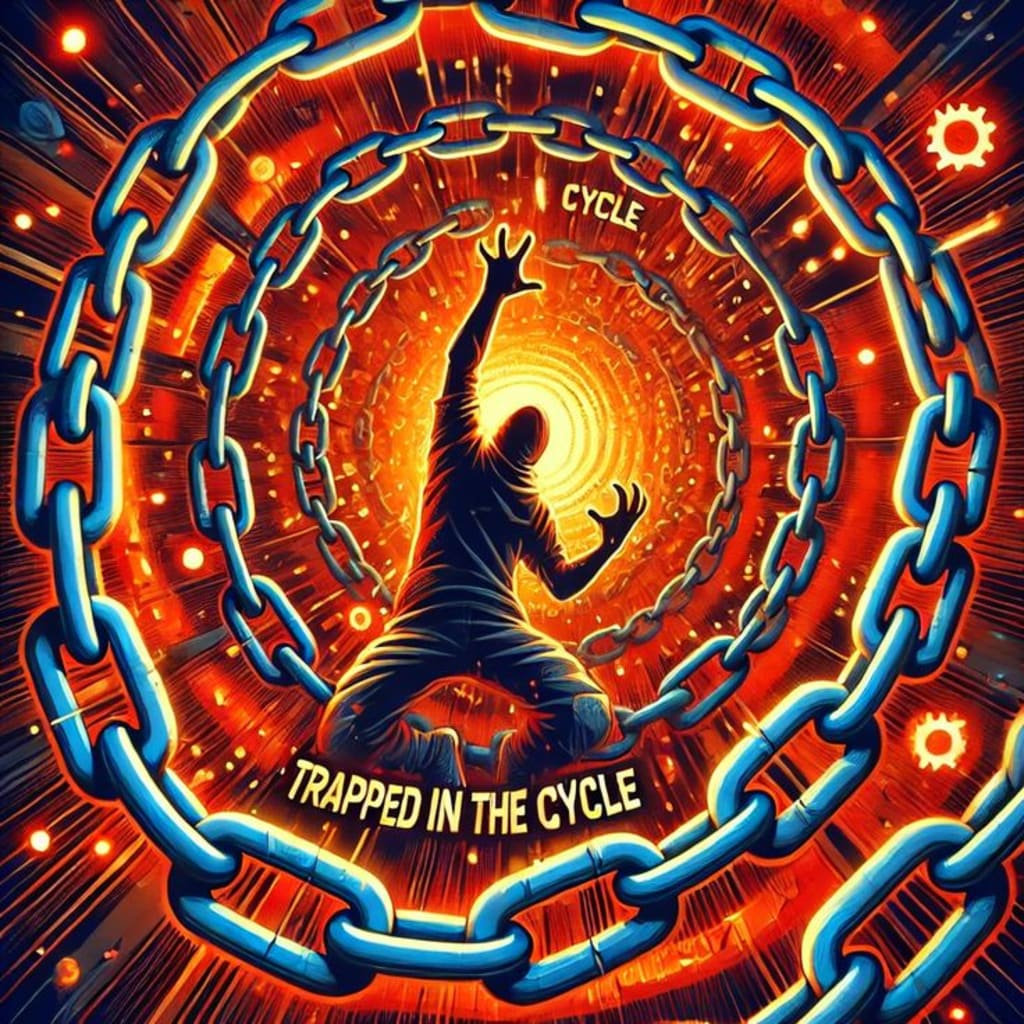
You’ve probably felt it more than once. That moment where you decide you’re going to reset everything. New habits, new mindset, new discipline. You tell yourself this time is different. You feel clear, focused, ready to move right. For a few days, maybe even a week, you actually follow through. You wake up earlier, you stay consistent, you feel in control again.
And then, slowly, it fades.
Not in a dramatic way. You don’t suddenly quit everything. It just starts slipping. One missed day turns into two. The structure disappears. The habits that felt strong suddenly feel optional. And before you even realize it, you’re back where you started—thinking about restarting again.
At first, it feels like a motivation problem. Like you just need to try harder next time. Be more disciplined. Be more serious. But the truth is deeper than that.
You don’t have a starting problem.
You have a sustaining problem.
Because starting feels good. Starting gives you a sense of control, a sense of identity. It feels like progress, even before anything real has happened. That’s why restarting becomes addictive. Every time things fall apart, you don’t fix the system—you reset it. You go back to the beginning because the beginning is the only part that feels clean and powerful.
But real change doesn’t happen in the beginning.
It happens in the part you keep avoiding.
The part where things are no longer exciting. Where the routine becomes repetitive. Where discipline feels heavy instead of inspiring. That’s the phase where your identity is actually built—but it’s also the phase where most people quit.
So instead of pushing through it, you restart.
You tell yourself you’ll do it better next time. More organized, more prepared, more perfect. But perfection isn’t the issue. The issue is that you’re trying to avoid the uncomfortable middle by constantly going back to the start.
And every time you do that, you lose progress you already built.
Not just physical progress, but mental momentum. Confidence. Trust in yourself. Because deep down, you start noticing a pattern. You realize that no matter how strong you start, you don’t finish. And that slowly affects how you see yourself.
You begin to associate your own effort with inconsistency.
That’s why restarting over and over is more dangerous than failing once and continuing. Because it trains your brain to believe that stopping is normal. That quitting and resetting is part of the process, when in reality, it’s what’s preventing the process from ever working.
The solution isn’t another perfect restart.
It’s learning how to continue when things feel imperfect.
That means accepting that some days won’t feel productive. That your energy won’t always match your goals. That discipline isn’t supposed to feel exciting all the time. It’s supposed to feel normal. Almost boring.
And that’s where most people struggle.
Because they expect change to always feel like progress. But real progress often feels like repetition. Like doing the same thing again, even when there’s no immediate reward. Even when you’re not motivated. Even when you’re tired of it.
That’s what builds something real.
So instead of asking yourself how to restart better, ask yourself how to continue worse. How to keep going even when your routine isn’t perfect. How to stay consistent even when you’re not at your best.
Because that’s the skill you’re missing.
Not intensity, not motivation, not ideas.
Consistency through imperfection.
Once you build that, you won’t need to restart anymore. Because even when things slow down, even when you lose momentum for a moment, you won’t go back to zero.
You’ll just keep going.
And that’s the difference between people who change their life once—and people who keep trying to change it forever.
Comments
There are no comments for this story
Be the first to respond and start the conversation.