
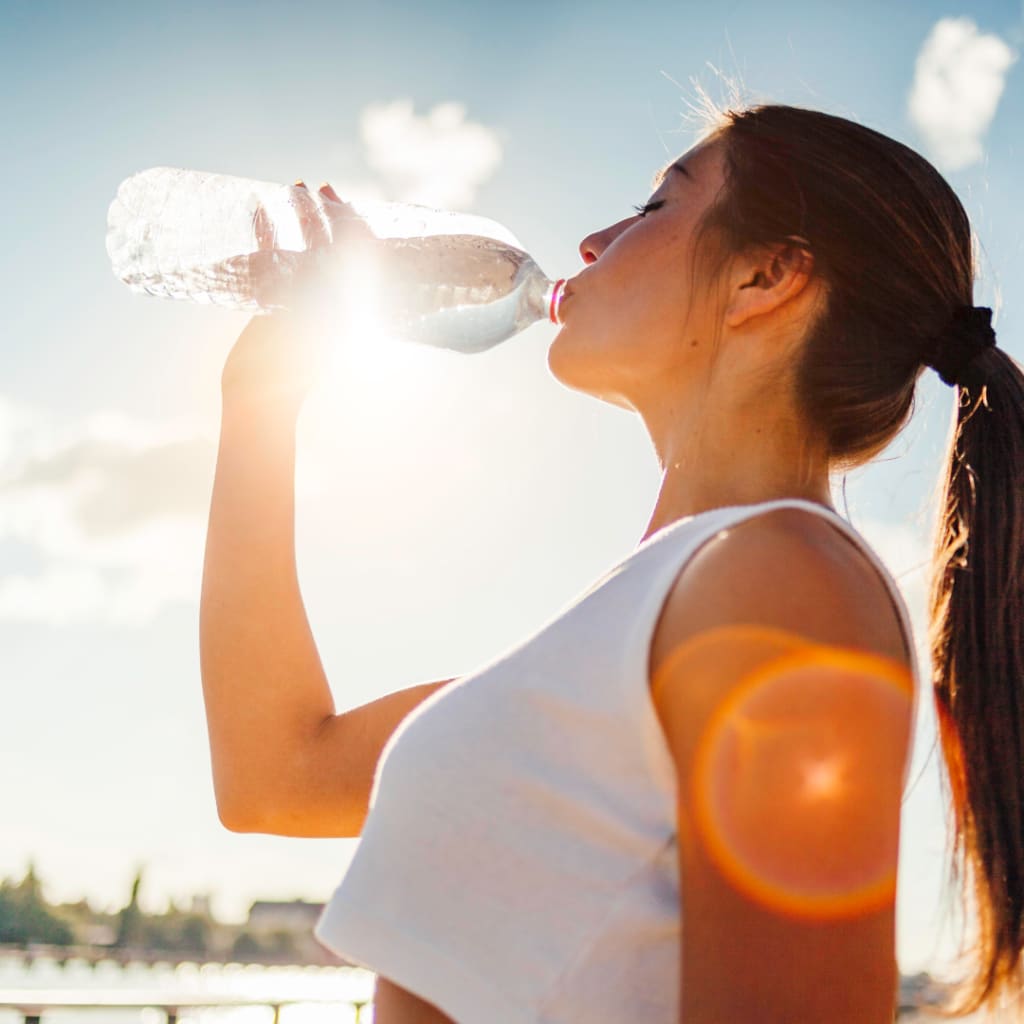
Water is essential for life, but now we're shutting off the faucet. There will be no more water for you. If you were to stop drinking water, what would happen to your organs? How long would it take for you to become dehydrated to the point of resembling a piece of human jerky? And why would you consider drinking your own urine? Seriously, why would you do that? Stop.
This is a hypothetical scenario. Here's what would occur if you stopped drinking water. Water does more than sustain life; it constitutes a significant portion of the human body, typically ranging from 50 to 70 percent. This vital liquid helps structure your body on a microscopic level, forming cells and fueling chemical reactions to deliver nutrients. Without water, nothing would be possible in your life or on this planet.
So, what if you abruptly ceased drinking water? Your organs would react adversely. Giving up water would essentially be a death sentence, but before you turn into a pile of dust, your body would undergo various radical changes. In the initial hours, your thirst would be mild, making it the easier phase. Throughout this process, it's crucial to slow down and take it easy. Sweating out the remaining water in your body must be avoided as every drop of this precious substance is needed.
Your body would instinctively hold onto the water within, causing your kidneys to reduce the amount of water sent to your bladder, resulting in decreased urination. Without water to aid the movement of nutrients within your cells, your blood would become thick and sluggish.
Over the next two days, your heart rate would rapidly increase to maintain normal oxygen levels as your body fights to stay alive. By the third day, around four percent of your body weight would have vanished, and you would not be looking good. The thickened and concentrated blood would cause your skin to shrivel up like a raisin. Since there is no water left to sweat out, even the smallest amount of heat could overwhelm your system. With falling blood pressure, maintaining consciousness would become a struggle.
On the fourth day, without water, non-vital organs such as your kidneys and gut would receive minimal blood supply. Cellular waste would accumulate, leading to muscle sensitivity and inflammation, making every movement excruciatingly painful. Dehydration would render even the simplest tasks impossible, and cognitive function would gradually decline.
At this point, you would be extremely thirsty and exhausted. Should you consider drinking your own urine to stay alive? Absolutely not. It would not help; in fact, it would worsen the situation. Your urine would be filled with waste, necessitating even more effort from your body to filter it. Every liquid in your body would turn into a toxic slurry, slowly poisoning you.
By the fifth day, you would have lost 10 percent of your body weight in water. Your liver would be on the verge of shutting down completely, while the rest of your organs would reach critically high temperatures. Furthermore, you would likely not have had a bowel movement in days, due to the large intestine absorbing any remaining water and leaving you constipated. The dryness of your joints would make movement incredibly challenging.
At this stage, you would undoubtedly regret your dreadful decision, that is, if you were still alive. How could you recover? Well, you would need to seek immediate medical attention at a hospital. Doctors would have to rehydrate your body using intravenous fluids to restore electrolytes and sugar levels in your system. It would take approximately two to three days to recover from this extreme state, but the damage might have lasting effects. Your kidneys could be severely impaired or diseased, and urinary tract infections could arise. You might even have to live with hypertension and intestinal failure for the rest of your life.
About the Creator
Enjoyed the story? Support the Creator.
Subscribe for free to receive all their stories in your feed.
Comments
There are no comments for this story
Be the first to respond and start the conversation.