
Too Much Power Can Break You
Why control without limits slowly destroys both you and the people around you

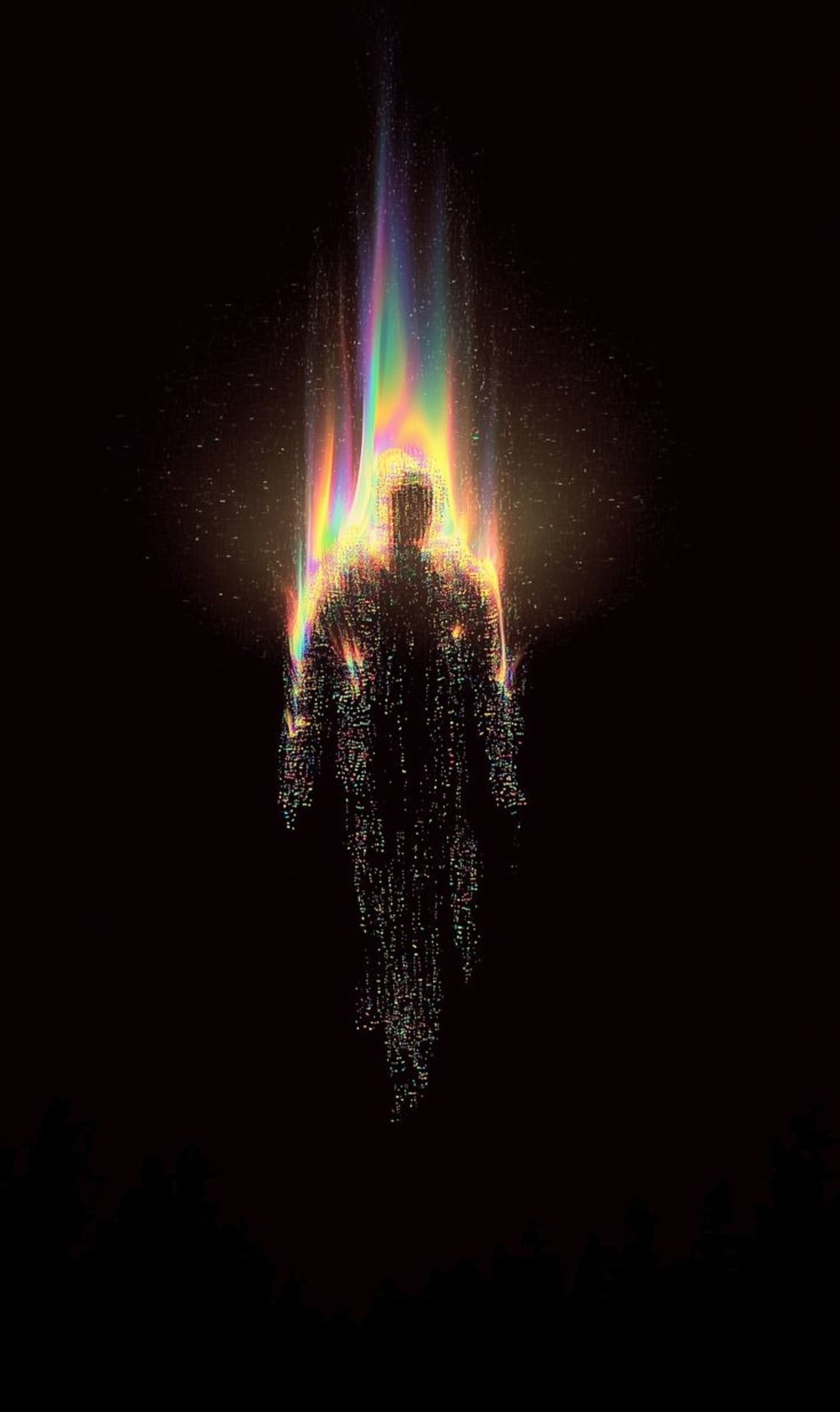
Power feels good at first
When you start gaining control—over your life, your decisions, your environment—it feels like freedom. You’re no longer dependent, no longer waiting on others, no longer stuck. You can move how you want, decide what you want, shape things your way. And at the beginning, that’s healthy. It builds confidence. It gives you direction. It makes you feel like you’re finally in charge of your life instead of reacting to it.
But power has a hidden shift.
The more you get used to control, the less comfortable you become without it.
______________________________________________
Control slowly turns into pressure
At some point, it stops feeling like freedom and starts feeling like responsibility. Now everything depends on you. Every decision, every outcome, every mistake—it all traces back to you. And instead of feeling powerful, you start feeling like you can’t afford to lose control.
So you hold tighter.
You start overthinking more. You try to predict everything. You avoid uncertainty. You want things done your way, not because it’s always better, but because it feels safer.
And that’s where power begins to shift into something heavier.
______________________________________________
It starts affecting how you treat people
When you’re used to being in control, it becomes harder to let others move freely. You start correcting more. Expecting more. Trusting less. Not always in obvious ways, but in small behaviors—interrupting, deciding for others, stepping in too quickly, not giving space for people to figure things out on their own.
And the people around you feel it.
They might not say it directly, but they start pulling back. Not because they don’t respect you, but because they feel less like equals and more like they’re being managed. The connection changes. It becomes less natural, less open.
Power, when it’s not balanced, creates distance.
______________________________________________
You begin to lose perspective
Another quiet effect of power is that it isolates you from feedback. The more control you have, the less people challenge you. Not always because they agree, but because it’s easier to stay silent. And over time, that silence becomes dangerous.
Because you start believing your own perspective is always right.
You stop questioning yourself as much. You rely on your judgment without checking it. And slowly, without realizing it, your decisions become more about maintaining control than actually doing what’s best.
That’s when power stops being useful—and starts being limiting.
______________________________________________
Power without balance becomes ego
There’s a thin line between confidence and ego, and too much power can push you across it without you noticing. Confidence says, “I can handle this.” Ego says, “Only I can handle this.” Confidence allows space for others. Ego closes that space.
And once you reach that point, you’re no longer building something strong—you’re building something dependent on you.
And anything that depends entirely on one person eventually becomes unstable.
______________________________________________
Real power includes letting go
The strongest form of control isn’t holding everything tightly—it’s knowing when to release it. It’s being able to step back and let others contribute, even if they do things differently. It’s being open to being wrong. It’s trusting that things don’t always need your direct involvement to work.
Because real strength isn’t about controlling everything.
It’s about not needing to.
______________________________________________
Balance is what keeps power healthy
Power itself isn’t bad. It’s necessary. It helps you grow, lead, and create structure in your life. But without balance, it becomes something else. It turns into pressure, isolation, and tension—both internally and externally.
So the goal isn’t to avoid power.
It’s to stay aware of it.
To notice when control becomes excessive.
To check yourself before it affects the way you think and the way you treat people.
Because the moment power stops being shared, flexible, and grounded—it stops helping you, and starts changing you.
And not always in a good way.
Comments
There are no comments for this story
Be the first to respond and start the conversation.