
The Weight of Feeling Sorry for Someone
Compassion can be one of our greatest strengths, but when left unchecked, it can also become one of our greatest weaknesses.

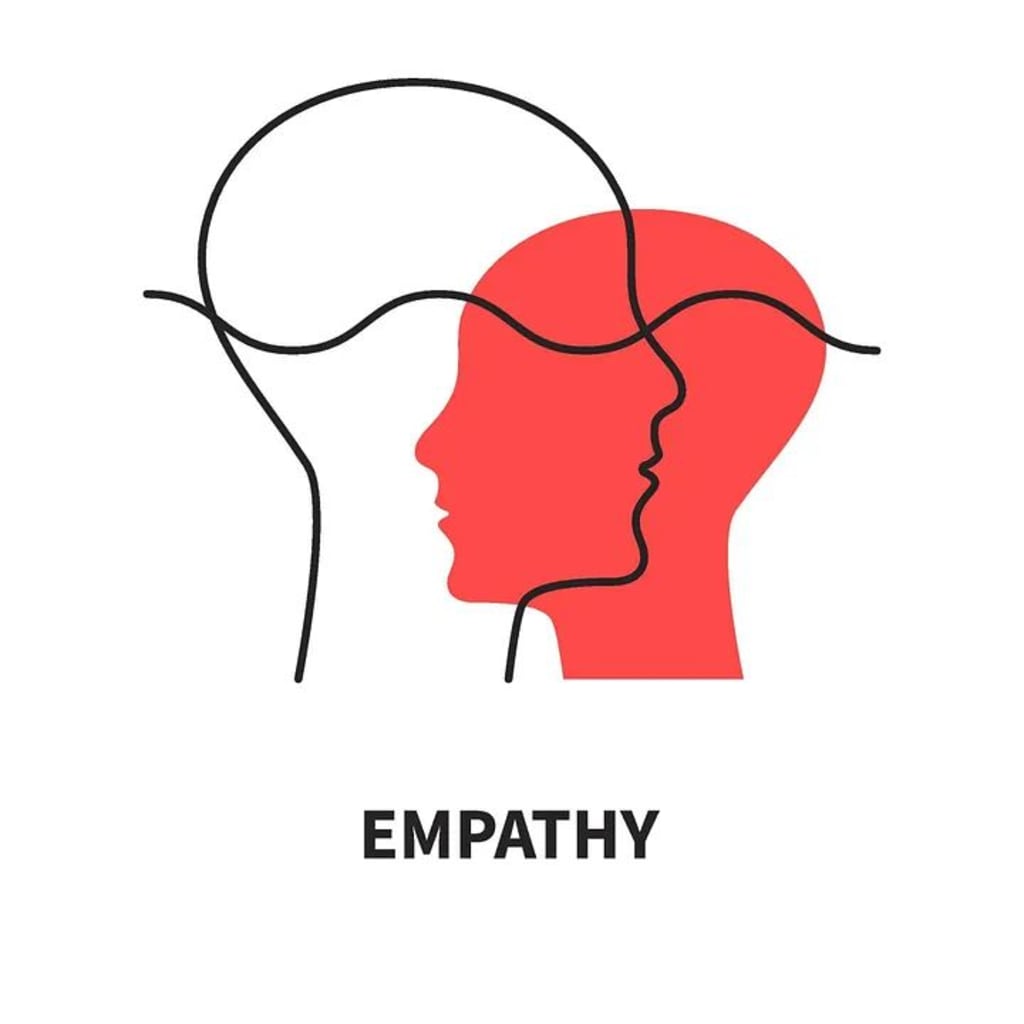
Feeling sorry for someone is one of the most natural human emotions. When we see another person struggling, our first instinct is often to help. We imagine what they must be going through, and for a moment, we carry a small part of their pain. This ability to empathize is what allows people to form meaningful relationships and support one another through life's hardest moments.
Without compassion, the world would be a much colder place.
But compassion has a hidden side that people rarely talk about.
Sometimes, feeling sorry for someone can cloud our judgment.
We've all experienced it at some point. We continue giving chances to someone who repeatedly hurts us because we know they've had a difficult life. We stay in unhealthy relationships because we understand the pain the other person has experienced. We ignore red flags because we feel guilty walking away from someone who is clearly struggling.
Our kindness slowly turns into self-sacrifice.
The problem isn't empathy itself.
The problem is confusing understanding with obligation.
You can understand why someone behaves the way they do without accepting behavior that harms you. A painful past may explain someone's actions, but it doesn't automatically excuse them.
Everyone has a story. Some have experienced loss, rejection, betrayal, trauma, or failure. Knowing this should make us kinder, but it shouldn't make us abandon our own boundaries. There is a difference between explaining someone's behavior and justifying it. Understanding where someone comes from is valuable, but it doesn't mean you have to tolerate actions that repeatedly hurt you.
One of the hardest lessons in life is realizing that you cannot save everyone. Many people believe that if they love someone enough, support them enough, or sacrifice enough of themselves, the other person will eventually change. Unfortunately, change rarely happens because someone else wants it. It happens when the individual decides they are ready to take responsibility for their own life.
No matter how much you care, some people must choose to help themselves.
Many compassionate people become emotionally exhausted because they mistake empathy for responsibility. They answer every late-night phone call, solve every crisis, forgive every mistake, and ignore their own emotional needs in the process. Over time, they begin carrying burdens that were never theirs to carry.
The result is burnout.
Ironically, people who care the most often end up feeling the most drained.
Healthy compassion works differently.
It says, "I care about you."
It does not say, "Your happiness is entirely my responsibility."
Learning this distinction is one of the most important parts of emotional maturity.
Another danger of constantly feeling sorry for people is that it can unintentionally prevent their growth. If someone never experiences the consequences of their actions because others continually rescue them, they may never learn the lessons necessary to improve. Sometimes the most loving thing you can do is allow someone to face the results of their own choices.
That isn't cruelty.
It's accountability.
Real growth usually begins when excuses end.
This doesn't mean becoming cold or indifferent. The world needs compassionate people. It needs those who are willing to listen, encourage, and support others through difficult seasons. But compassion should never require abandoning yourself.
Your kindness should have boundaries.
Your empathy should have wisdom.
Your generosity should include yourself.
You deserve the same understanding that you so freely offer to everyone else.
It's easy to forget this because compassionate people often feel guilty for saying no. They worry they'll appear selfish or uncaring. In reality, healthy boundaries protect relationships. They prevent resentment, emotional exhaustion, and unhealthy dependence.
There is nothing wrong with helping someone who genuinely wants to improve.
There is also nothing wrong with walking away from situations where your kindness is repeatedly taken for granted.
Both decisions can come from love.
One is love for another person.
The other is love for yourself.
Life becomes much healthier when you learn to balance both.
The goal isn't to stop caring about people. The goal is to care without losing yourself in the process. Compassion is one of humanity's greatest strengths because it connects us to one another. It reminds us that everyone is fighting battles we cannot see.
But compassion without boundaries can become self-destruction.
The healthiest people understand that they can offer support without carrying someone else's entire life on their shoulders. They can listen without fixing every problem. They can forgive without accepting repeated disrespect.
At the end of the day, feeling sorry for someone is not a weakness.
It becomes a weakness only when it convinces you to ignore your own peace, your own needs, and your own worth.
True compassion doesn't ask you to sacrifice yourself.
It asks you to care wisely.
Because helping others is beautiful.
But not at the cost of losing yourself.
Comments
There are no comments for this story
Be the first to respond and start the conversation.