
The Stories We Tell Ourselves: Why Your Mind Creates Fake Scenarios
How imagined situations shape your emotions—and how to stop getting lost in them

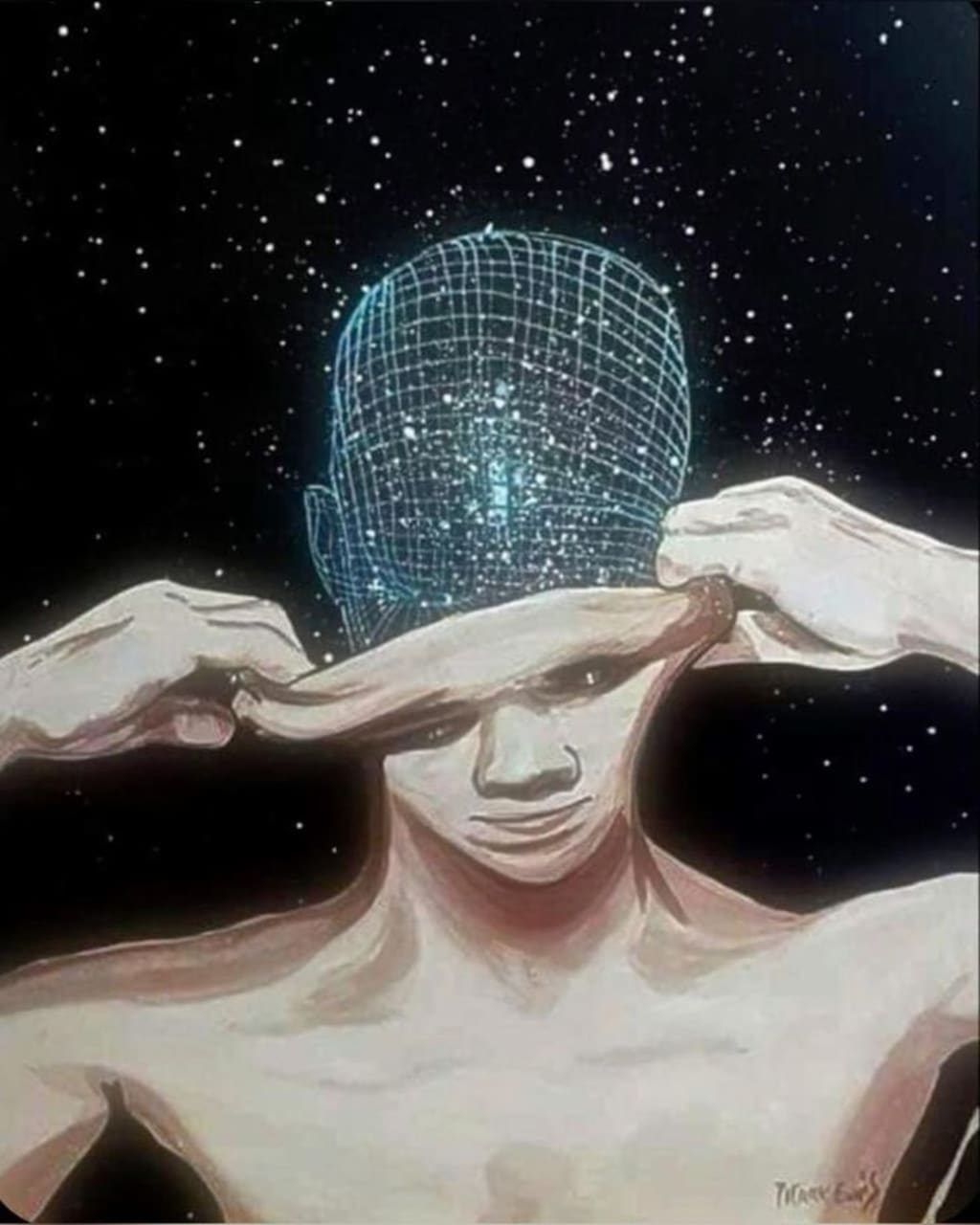
Have you ever caught yourself imagining a situation that hasn’t happened—and might never happen—but still feeling real emotions because of it?
Maybe it’s a conversation that goes wrong. A future moment where everything falls apart. Or even a perfect scenario where things go exactly how you want. These mental “stories” can feel so vivid that your body reacts as if they’re real.
This is something almost everyone does: creating fake scenarios in their mind.
And while it can seem harmless, it can quietly affect your mood, your decisions, and how you experience reality.
Why Your Brain Does This
Your brain is built to predict, imagine, and prepare. It constantly tries to fill in the gaps of the unknown.
When you don’t have all the information about a situation, your mind steps in and creates a version of what could happen.
This can be useful in some cases. It helps you plan, anticipate problems, and think ahead.
But the problem starts when imagination turns into over-creation—when your mind keeps building scenarios that aren’t grounded in reality.
When Imagination Feels Real
The brain doesn’t always clearly separate imagination from reality.
If you imagine an argument, your heart rate might increase. If you picture something embarrassing, you might feel actual discomfort. If you imagine success, you might feel excitement.
Even though nothing is happening in the real world, your body responds as if it is.
This is why fake scenarios can have real emotional consequences.
The Two Sides of Mental Scenarios
Not all imagined scenarios are negative.
Some are positive—you imagine success, happiness, or ideal situations. These can boost motivation and make you feel good temporarily.
But even positive scenarios can become a trap if they replace action. You feel satisfied just imagining something instead of actually working toward it.
On the other hand, negative scenarios can be even more harmful. They create anxiety, doubt, and fear based on events that haven’t even happened.
In both cases, the common issue is the same: you’re living in your head instead of the present moment.
The Loop You Don’t Notice
Once you start creating scenarios, it can easily turn into a loop.
One thought leads to another. One situation expands into multiple versions. You tweak conversations, replay moments, or predict outcomes over and over again.
Before you realize it, you’ve spent a significant amount of time in a reality that doesn’t exist.
And the more you do it, the more natural it becomes.
How It Affects Your Decisions
These imagined scenarios don’t just stay in your head—they influence your real-life choices.
You might avoid doing something because you’ve already imagined it going badly.
You might hesitate to speak because you’ve “seen” the negative outcome in your mind.
Or you might delay action because you’re too busy thinking about every possible version of the future.
In this way, fake scenarios can quietly control real behavior.
Coming Back to Reality
The key isn’t to completely stop imagining—that’s impossible. The goal is to recognize when it’s happening and not get lost in it.
A simple question can help: “Is this actually happening right now?”
If the answer is no, you create a small distance between you and the thought.
This awareness alone can reduce the intensity of the emotions attached to the scenario.
Shifting From Thinking to Doing
One of the most effective ways to break out of mental scenarios is action.
When you act, you replace imagination with reality. You get real feedback instead of imagined outcomes.
Even small actions can interrupt the cycle.
Instead of thinking about a conversation, have it.
Instead of imagining a result, take a step toward it.
Reality is often much simpler—and less dramatic—than what your mind creates.
Letting Thoughts Pass
Not every thought needs your attention.
You can observe your thoughts without following them. Like watching clouds pass in the sky, you can notice a scenario forming and simply let it go.
This takes practice, but over time, it becomes easier.
You stop feeding every thought with more thoughts.
Final Thoughts
Your mind is powerful. It can create entire worlds that feel real, even when they’re not.
But just because you think something doesn’t mean it’s true—or that it will happen.
The more you learn to separate imagination from reality, the more control you gain over your emotions and your actions.
At the end of the day, life isn’t happening in your head.
It’s happening right in front of you.
Comments
There are no comments for this story
Be the first to respond and start the conversation.