
The Last Voyage
A Family Legacy

In the shipyards of 1916, the HMS Valerian first touched water with a gleaming hull and a purpose shaped by war. She was no battleship, no mighty dreadnought, but a small, sturdy Arabis-class sloop built for the endless, unsung work of the Royal Navy: escort duty, minesweeping, protecting convoys from the silent menace of submarines.
By the mid-1920s, the Great War was over, but the Valerian still sailed beneath the white ensign of empire. She patrolled warm Caribbean waters now, far from the North Sea’s gray chill, her decks busy with more than a hundred officers and sailors. Among them was a young Irishman from Buncrana, my great grandfather Jack Barnes.
Jack had left behind his wife and three small daughters, the youngest barely six months old. My great-granny remembered him as steady and kind, a man who carried the sea in his veins. When he kissed his young children goodbye, neither of them could have known it was to be a farewell.
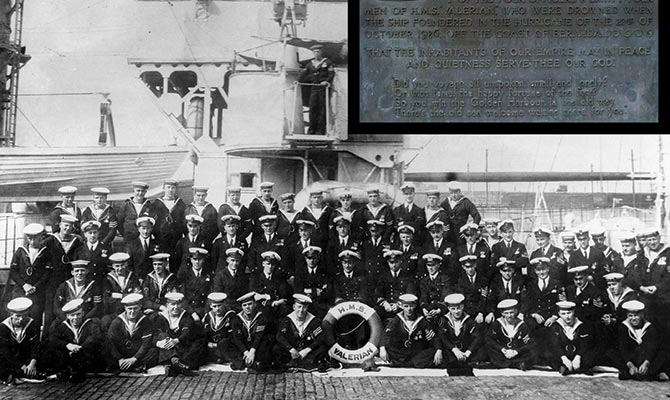
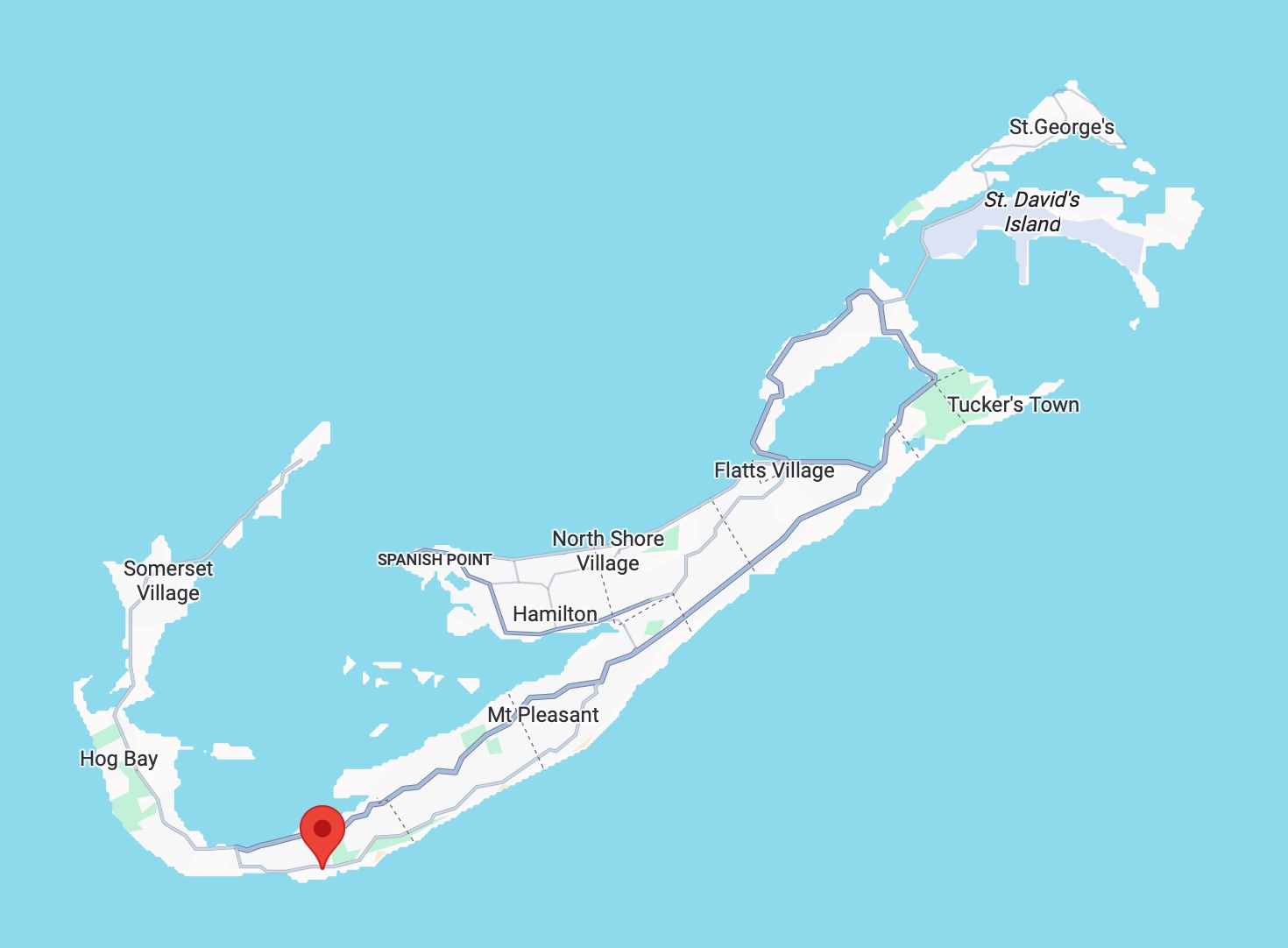
In October 1926, the Valerian lay in Bermuda, uneasy under the threat of a growing storm. Word came of a hurricane sweeping northward, fast and fierce. The captain weighed his choices: anchor in harbor and risk being smashed against the docks, or take the ship to sea and face the storm in open water. As sailors had done for centuries, he chose the sea.
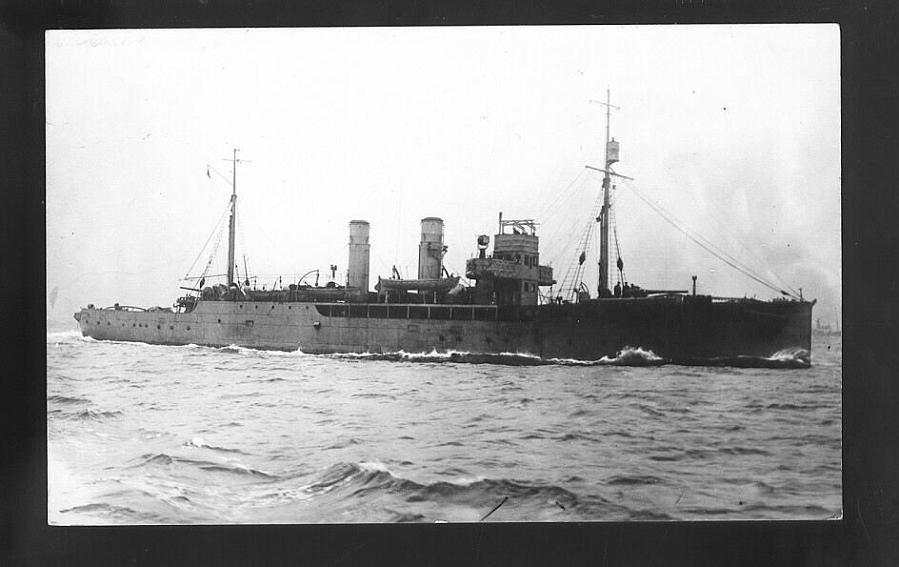
The Valerian steamed out bravely, her engines straining, her crew at the ready. By midday on October 22, the hurricane struck. Winds screamed over a hundred miles an hour. Rain and salt whipped the men until they were raw. Waves rose like mountains and crashed down like a battering ram. The little sloop fought, her bow punching through the seas again and again, but the storm was merciless.
For hours she battled, until a wave larger than the rest rose out of the chaos. It lifted the Valerian high, then smashed her down. Her seams split, water poured in, and the order came: “Abandon ship!” But in seas that wild, abandoning ship was nearly impossible. Lifeboats were torn away. Men who jumped were swallowed by the ocean’s fury.
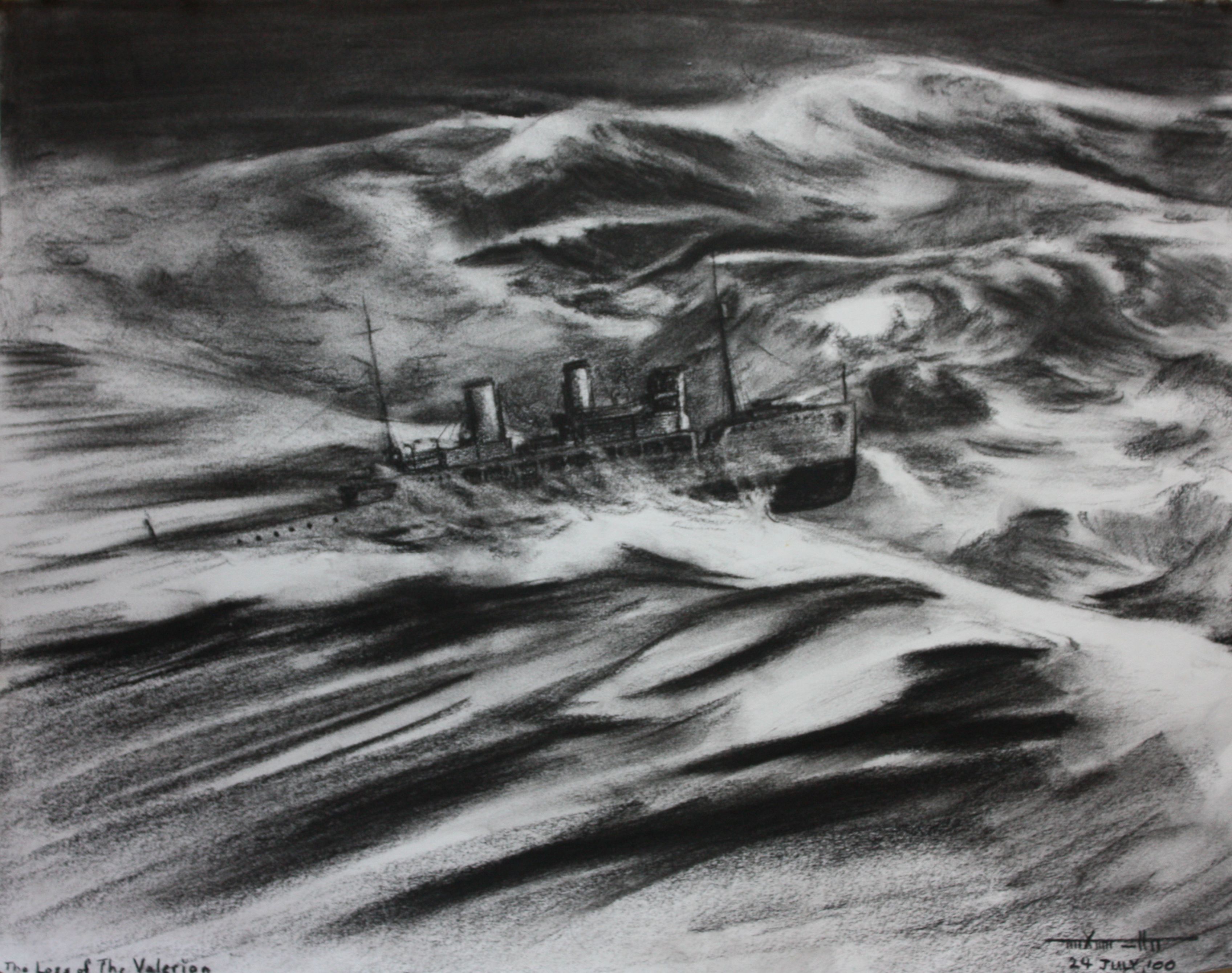
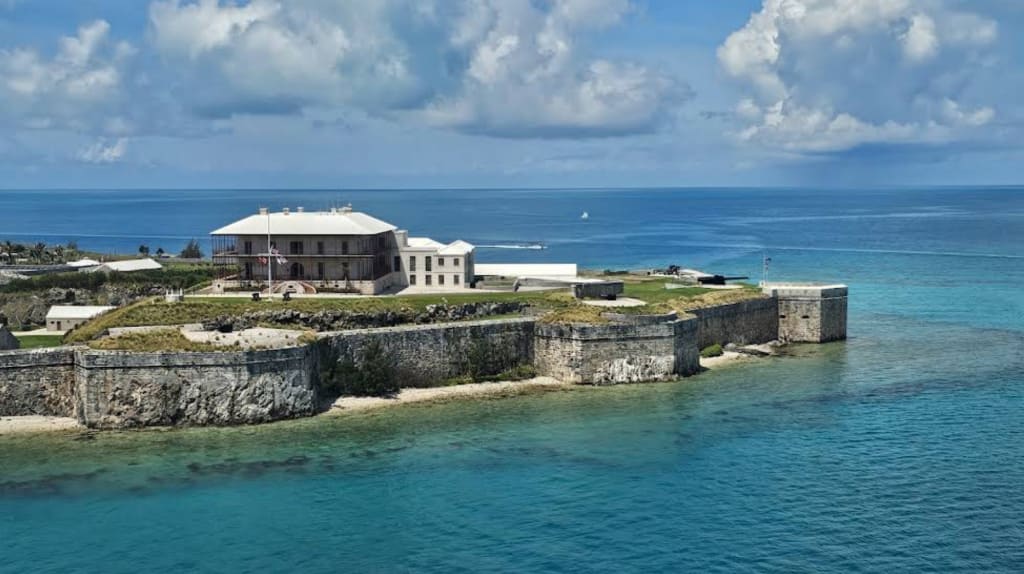
The Valerian vanished beneath the waves, taking with her four officers and eighty-four sailors, including Jack Barnes. Only nineteen men survived to recount the tale. The ship foundered only five miles from the Royal Naval Dockyard.
Back in Buncrana, a telegram arrived—cold words that carried a world of grief. My great-grandmother was left a widow, her children fatherless. She never remarried, choosing instead to raise her three daughters alone, with quiet strength and the memory of Jack always near.
Life pressed forward. Years later, the family moved to Dublin, where the girls could attend university—a remarkable achievement for women of that time. It was there that my grandmother, Eileen, the baby her father had last held, grew into a young woman. While her sisters attended University, she met Claude Fitzgerald Smith, the man whom she would marry, beginning a new chapter of our family’s story. Much later, our family would have a story of another ship, one that transported us overseas from Ireland to settle in America (~1960).
The wreck of the Valerian still rests somewhere in the Atlantic, a steel coffin claimed by the sea; a war grave to remain forever undisturbed. To the world, it is a naval tragedy of 1926, remembered as part of the Havana–Bermuda Hurricane. But to us, it is the story of Jack Barnes—a sailor whose life ended in a storm, whose absence shaped generations, and whose memory endures in the strength of the women he left behind.
About the Creator
Annie
Single mom, urban planner, dancer... dreamer... explorer. Sharing my experiences, imagination, and recipes.
Enjoyed the story? Support the Creator.
Subscribe for free to receive all their stories in your feed. You could also become a paid subscriber, letting them know you appreciate their work.
Comments
There are no comments for this story
Be the first to respond and start the conversation.