
The HR Department of Affection: Why the Casual Hangout is Dead.
We have replaced intimacy with logistics, therapy scripts, and calendar invites. Here is how we reclaim the unmade bed.

The screen illuminated my dark bedroom at 8:14 AM on a Saturday.
It was a gentle, almost apologetic double-buzz against the nightstand wood. I knew what the message said before I even reached for the glass. My stomach executed a specific, hollow drop. It was a precise cocktail of guilt, disappointment, and an ugly, secret joy.
Hey, I am so sorry but can we reschedule? I just don't have the emotional bandwidth to hold space for anyone today.
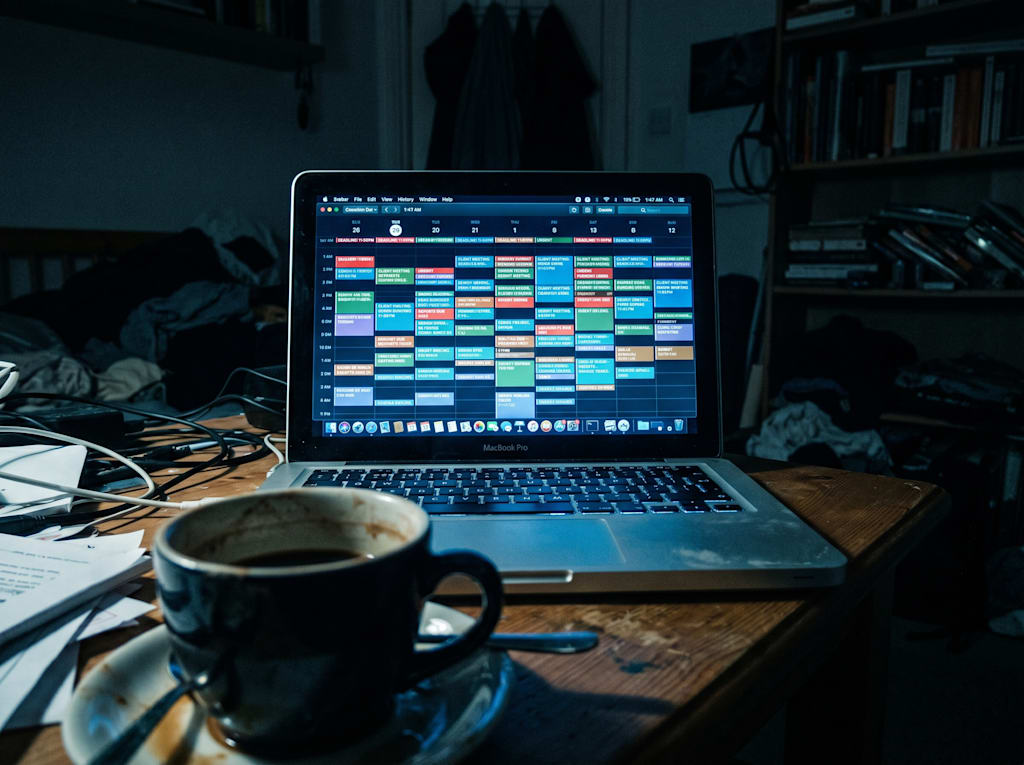
I’m writing this while staring at my laptop, tracking a color-coded Google Calendar time block labeled "Brunch w/ Elena." We have manually dragged that tiny blue rectangle across the grid six different times since early March. My coffee is currently turning to room-temperature sludge while I draft a reply. It sounds uncomfortably like a corporate out-of-office response.
(If I’m being honest, when my phone buzzed with her cancellation thirty minutes ago, my immediate, primary emotion was profound relief.)
We do not have friendships anymore. We have logistics.
Seeing someone you love in 2026 requires the foresight of a mid-level manager organizing a quarterly summit. We send invites for coffee. We propose alternate time slots for a fifteen-minute phone call. We treat the people who hold our deepest secrets like administrative tasks to be crossed off a checklist before Sunday evening. The casual hangout has flatlined, entirely replaced by the hyper-scheduled, hyper-optimized "catch-up."
Our bonds were not built for this kind of architecture.
The HR Department of Affection
There is a profound exhaustion that comes from treating intimacy as an appointment.
When you schedule a drink with a close confidante three weeks in advance, you are placing a massive burden of expectation on a completely unpredictable future Tuesday. You are assuming that, at 7:00 PM on the 14th, you will both possess the exact required mental energy to sit across a small table and perform the duties of a good friend.
Usually, you do not. You arrive tired. They arrive tired.
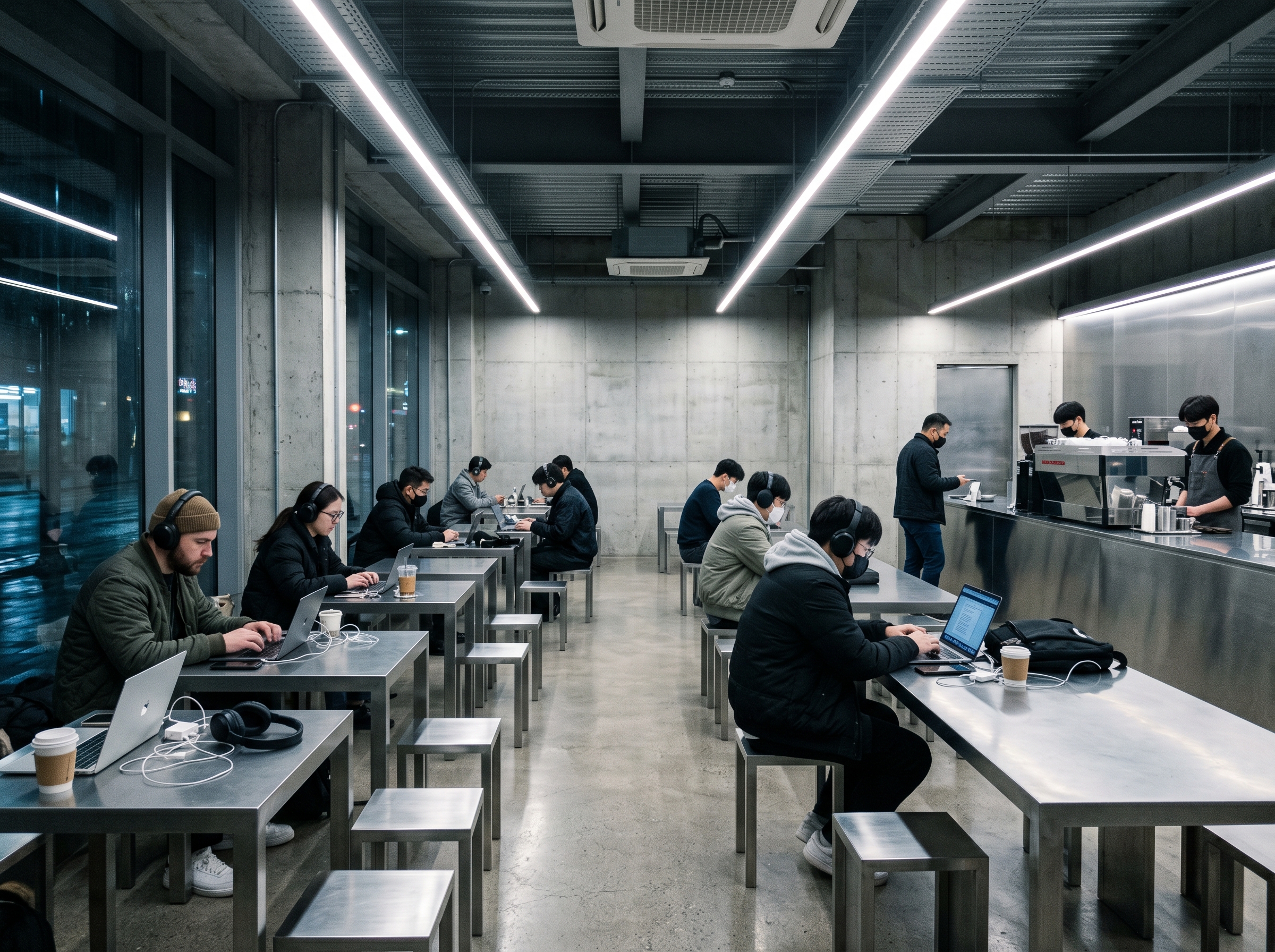
You sit down, order a twenty-two-dollar cocktail, and immediately launch into a bulleted list of life updates. You summarize your recent career trauma. They summarize their recent romantic failure. You exchange verbal data. You nod, validate, and check the time. You have exactly ninety minutes before the bartender needs the table back for the next reservation. The entire exchange feels deeply transactional, devoid of the sprawling, pointless tangents that actually make up the fabric of human love.
We have militarized our affection. We budget our time with the ruthless efficiency of a hedge fund.
I love my friends. I would quite literally bleed for them. But the sheer bureaucratic weight of coordinating a simple dinner makes me want to throw my phone into the nearest body of water. We spend more time trying to align our availability than we actually spend in the physical presence of the people we are trying to see. The logistics consume the relationship. The calendar is the master, and we are its terrified, yielding subjects.
The Scripts of Evasion
This scheduling sickness has fundamentally changed the way we speak to one another.
Sociologists recently published a massive study on the "2026 Friendship Deficit," revealing that the average millennial and Gen Z adult spends eighty percent less unstructured time with peers than they did a decade ago. We are drowning in isolation. Yet, simultaneously, we have adopted a language of evasion that makes it nearly impossible to actually bridge the gap.
When Elena canceled on me this morning, she didn't say she was tired. She didn't say she had a hangover. She said she lacked the "bandwidth" to "hold space."
We have adopted the sterile, therapy-washed dialect of human resources to protect ourselves from the demands of the people we care about. We "protect our peace." We "set hard boundaries." We speak about our social lives in terms of "capacity." It is a defensive mechanism, born out of a genuine, crushing societal burnout. When your rent is astronomical, the news cycle is a nightmare, and your employer expects you to be reachable at all hours, your nervous system simply shorts out.
But hiding behind this clinical language slowly kills the vulnerability required for real intimacy.
(I actually had to search my own iMessage history last night just to remember the last time my best friend and I sat in the same room without a predefined agenda or a restaurant reservation. It was October 2024.)
When you tell a friend you don't have the capacity for them, you are speaking to them as if they are an incoming work assignment. You are reinforcing the idea that being together is a labor-intensive chore. The truth is, friendship shouldn't require you to be fully "on." You should be allowed to be boring, silent, and exhausted in the presence of someone who loves you. But because we only see each other in highly curated, scheduled windows, we feel immense pressure to perform perfectly. We cancel because we cannot guarantee a five-star interpersonal performance.
The Ghost of the Third Space
You cannot talk about the death of the hangout without talking about the extinction of the places we used to do it.
The "Third Space"—that critical sociological environment outside of the home and the workplace—has been aggressively dismantled. Diners have been replaced by ghost kitchens. Public parks are aggressively monitored or heavily commercialized. Coffee shops have removed comfortable seating, turned off their Wi-Fi on weekends, and blasted aggressive music to ensure you consume your nine-dollar oat milk latte and immediately leave.
We are gridlocked in a society that demands a financial transaction for every minute we spend outside our apartments.
Because we have nowhere to simply exist for free, every social interaction becomes an Event. It becomes a Dinner. It becomes a Ticketed Experience. You cannot casually drop by a friend's house anymore; the cultural norms of 2026 dictate that showing up unannounced is akin to a minor home invasion. We view our private spaces as heavily fortified sanctuaries. We do not let people in unless the floors are vacuumed, the aesthetic is correct, and a formal invitation has been issued.
This leaves us adrift. We have lost the physical geography of spontaneity.
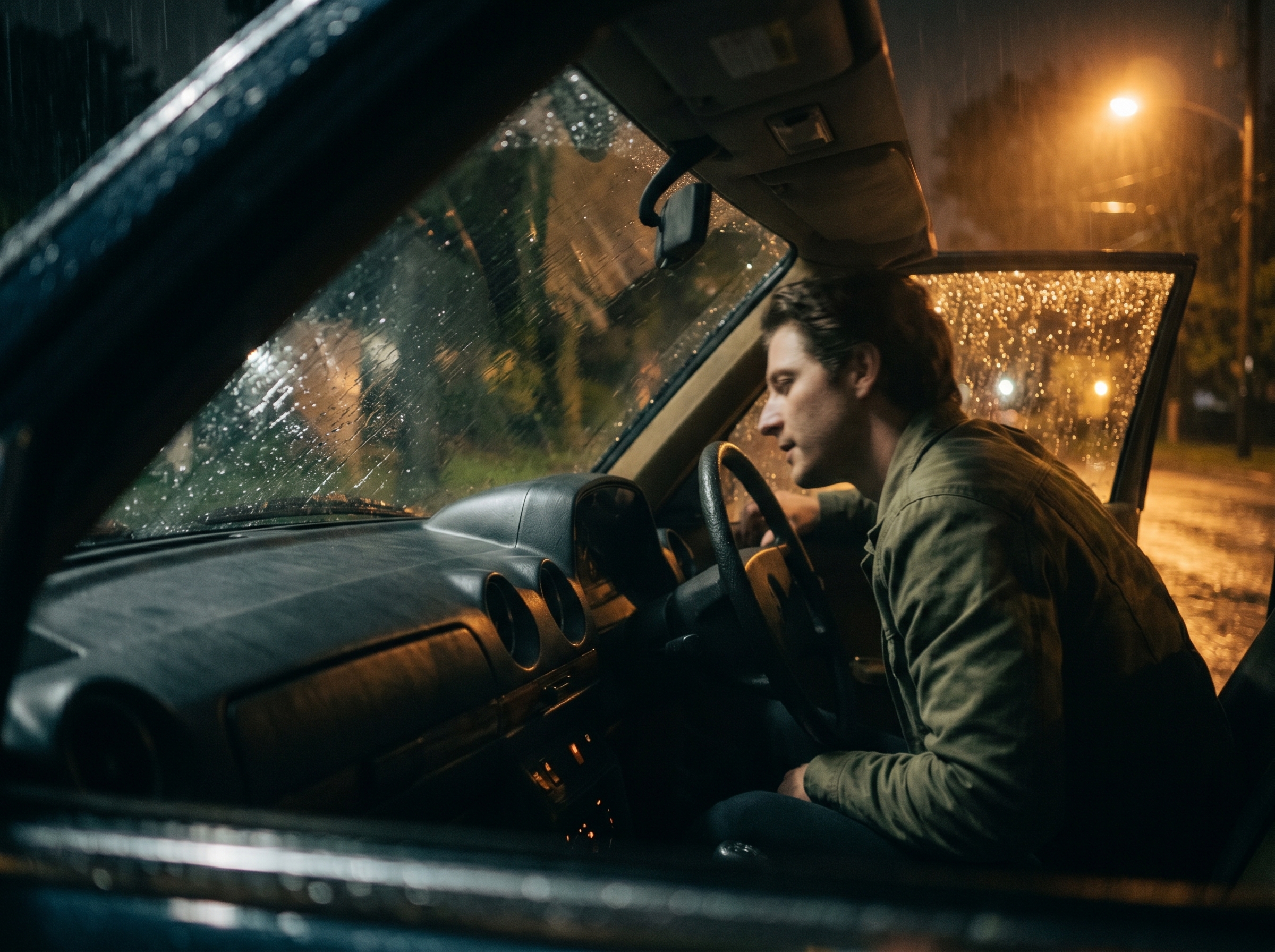
The greatest friendships are rarely built in the bright, expensive light of a trendy restaurant. They are forged in the quiet, unremarkable corners of shared existence. They happen while leaning against a kitchen counter at midnight. They happen in the passenger seat of a parked car, staring straight ahead at a brick wall. They happen when you have nowhere to be, nothing to buy, and absolutely nothing to prove.
The Sickness of Scheduled Joy
We are terrified of empty time.
If a Saturday stretches out before us without a plan, we panic. We fill the void with optimization. We meal-prep, we listen to self-improvement podcasts at 1.5x speed, we do laundry. We treat rest as simply another metric to be maximized.
Because of this, we demand that our friendships fit neatly into the cracks of our productivity. We squeeze the people we love into forty-five-minute windows between the gym and the grocery store. We don't hang out. We execute social obligations.
And when those obligations are inevitably canceled, the relief we feel is a symptom of a much deeper disease. It is the relief of a postponed deadline. It is the joy of an empty desk. But treating human beings as deadlines is a one-way ticket to a profoundly lonely life. You look up one day, your apartment is perfectly clean, your calendar is flawlessly color-coded, and you have not been touched or truly seen by another human being in three months.
We are optimizing ourselves into total isolation.
The Longing for the Unmade Bed
I did not reply to Elena's cancellation with a therapy script.
I deleted the corporate-sounding draft. I watched the cursor blink. I thought about the sheer, feral longing I have to just sit on a piece of furniture with someone I trust, entirely in silence, while a bad movie plays in the background.
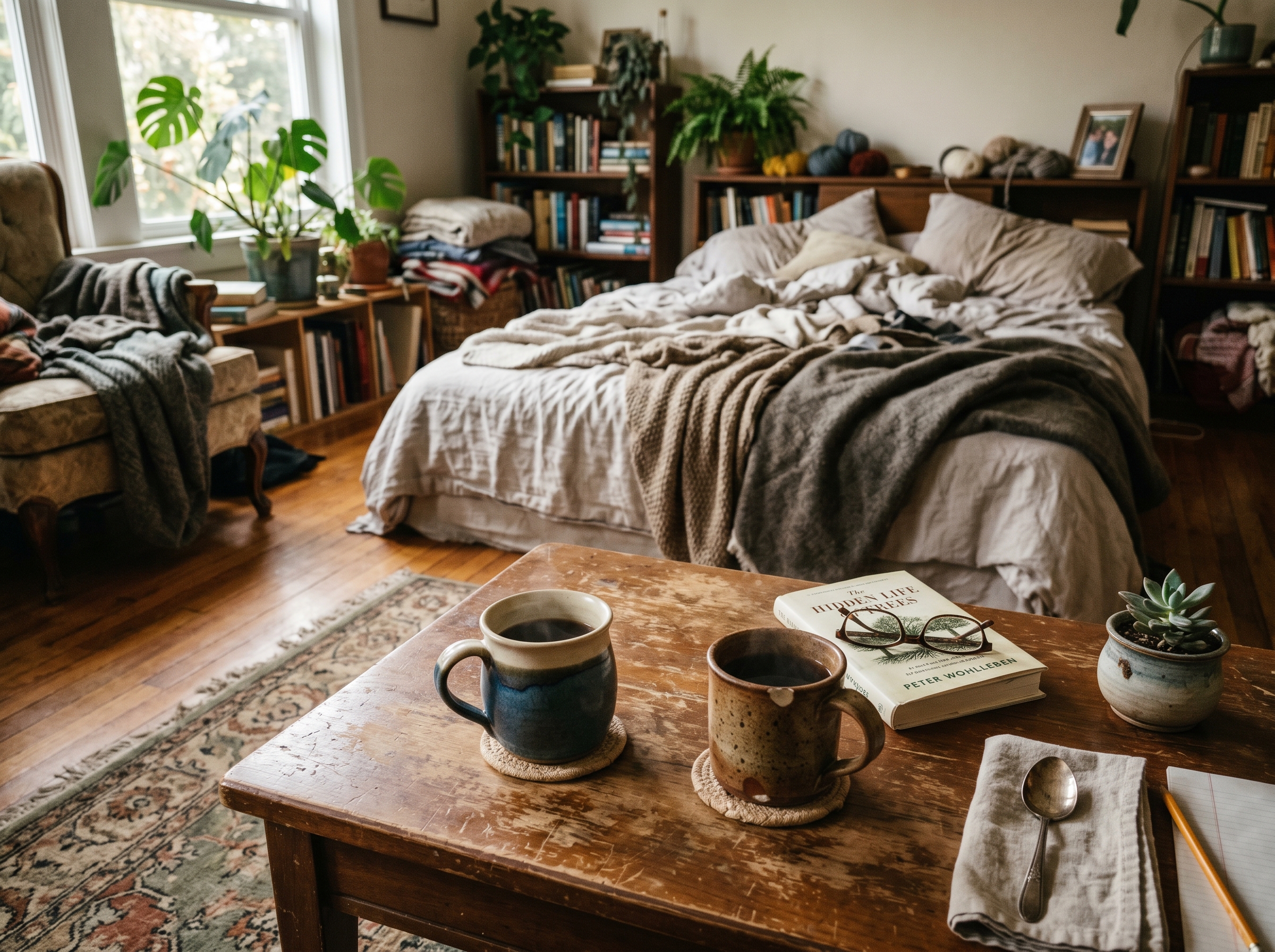
I want the un-optimized hangout. I want the messy, spontaneous, inconvenient reality of other people. I want friends who show up unannounced because they saw a dog that reminded them of me. I want to drink cheap tap water in a living room that hasn't been deep-cleaned, wearing sweatpants, completely free from the expectation of being entertaining.
We have to dismantle the bureaucracy.
We have to stop treating our affection like a scarce resource to be managed by a calendar application. It requires an immense amount of bravery in 2026 to be the friend who says, "I am exhausted, my house is a mess, and I have nothing interesting to say, but please come over anyway."
I picked up my phone. I ignored the calendar grid entirely.
I am not doing brunch, I typed. But I am making terrible coffee in my kitchen in twenty minutes. Come over in your pajamas. We don't have to talk.
I hit send. I left the phone on the counter. I did not make my bed.
About the Creator
The Chaos Cabinet
A collection of fragments—stories, essays, and ideas stitched together like constellations. A little of everything, for the curious mind.
Enjoyed the story? Support the Creator.
Subscribe for free to receive all their stories in your feed.
Comments
There are no comments for this story
Be the first to respond and start the conversation.