
The enigmatic world of ganglion cyst
causes, symptoms and treatment revealed


Ganglion cysts, these mysterious fluid-filled lumps, have puzzled both medical professionals and patients for centuries. Often appearing like small, harmless bumps, they can cause discomfort and limit daily activities for some individuals. In this article, we will delve into the world of ganglion cysts, exploring their causes, symptoms, and treatment options, shedding light on these enigmatic growths.
What is a Ganglion Cyst?
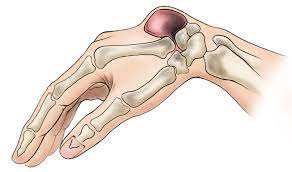
A ganglion cyst is a noncancerous lump that most commonly forms along the tendons or joints of the wrists or hands. It appears as a small, round bump filled with a jelly-like fluid, and its size can vary from a few millimeters to an inch in diameter. Though ganglion cysts typically develop on the hands and wrists, they can also be found in other areas like the feet, ankles, knees, and shoulders.
Causes and Risk Factors
The exact cause of ganglion cysts remains somewhat of a mystery, but medical professionals have identified certain factors that may contribute to their development:
Joint or Tendon Irritation: Overuse or repetitive movements in the joints or tendons can lead to irritation, potentially causing the formation of a ganglion cyst.
Joint or Ligament Injury: A previous injury to a joint or ligament may trigger the body to produce the cyst as a part of the healing process.
Joint Osteoarthritis: Ganglion cysts have been associated with osteoarthritis, particularly in the wrist joints.
Gender and Age: Women between the ages of 20 and 40 are more prone to developing ganglion cysts.
Occupation and Lifestyle: Certain professions or hobbies that involve repetitive hand or wrist movements may increase the risk. For example, IT workers
Symptoms and Diagnosis
In many cases, ganglion cysts are painless and may not cause any symptoms. However, when they do produce symptoms, the most common ones include:
Pain or Discomfort: Depending on the cyst’s size and location, it may cause pain or tenderness.
Limited Range of Motion: A cyst near a joint can restrict movement and flexibility.
Visible Lump: The presence of a noticeable bump on the skin, which may change in size over time.
Diagnosing a ganglion cyst typically involves a physical examination by a healthcare professional. In some cases, imaging tests like ultrasound or MRI may be used to confirm the diagnosis and rule out other possible conditions.
Treatment Options
The approach to treating a ganglion cyst depends on various factors, including the cyst’s size, location, and the severity of symptoms. Treatment options include:
Observation: In cases where the cyst is small, painless, and not interfering with daily activities, a “wait and see” approach may be recommended.
Immobilization: Wearing a splint or brace can help to rest the affected joint and reduce irritation.
Aspiration: Draining the fluid from the cyst using a needle may provide temporary relief, but cysts may recur.
Corticosteroid Injections: Injecting steroids into the cyst can help reduce inflammation and alleviate symptoms.
Surgery: Surgical removal may be considered for large, painful cysts or those that do not respond to other treatments.
Dose physiotherapy help ganglion cyst ?
Yes, physiotherapy interventions can be helpful in managing ganglion cysts and alleviating associated symptoms. While ganglion cysts are typically benign and may not require treatment if they are not causing significant discomfort or functional impairment, some individuals may experience pain, limited range of motion, or other issues due to the cyst’s location.
Physiotherapy can be beneficial in the following ways:
1. Pain management: Physiotherapists can use various techniques, such as manual therapy, ultrasound, or electrical stimulation, to help reduce pain and inflammation in the affected area.
2. Range of motion exercises: Gentle and controlled exercises can be prescribed to maintain or improve joint flexibility and mobility.
3. Strengthening exercises: Strengthening the muscles around the affected joint can provide better support and stability, which may reduce strain on the cyst.
4. Ergonomic advice: In cases where repetitive movements or poor posture contribute to the cyst’s development or exacerbate symptoms, physiotherapists can provide ergonomic advice to prevent further irritation.
5. Manual drainage: In some cases, physiotherapists may use manual techniques to drain the fluid from the cyst to reduce its size and alleviate symptoms
Prevention and Self-Care
While it may not be possible to prevent ganglion cysts entirely, some self-care measures and precautions may help reduce the risk:
Ergonomics: Proper ergonomics at work and during daily activities can lessen strain on the hands and wrists.
Avoid Repetitive Movements: Taking breaks and performing hand exercises during repetitive tasks can minimize strain.
What is the prognosis for ganglion cysts?
The prognosis for ganglion cysts is good. Most cysts go away on their own or respond well to treatment. However, there is a small chance that the cyst may recur
Seek professional help !
Ganglion cysts continue to intrigue and challenge the medical community. Although they are typically harmless, they can cause discomfort and inconvenience to those affected. If you notice any unusual bumps or experience symptoms related to a ganglion cyst, it’s essential to seek professional medical advice for proper evaluation and treatment.
About the Creator
ishrat kalsoom
Step into a world where health and words come together! I am your health content writer(physiotherapist by profession), crafting informative and inspiring articles. Let my words guide you to better health.
Enjoyed the story? Support the Creator.
Subscribe for free to receive all their stories in your feed.
Comments
There are no comments for this story
Be the first to respond and start the conversation.