
The Comfort Trap: Why Staying Inside Makes It Harder to Step Outside
How too much comfort quietly shrinks your world—and what you can do to break free

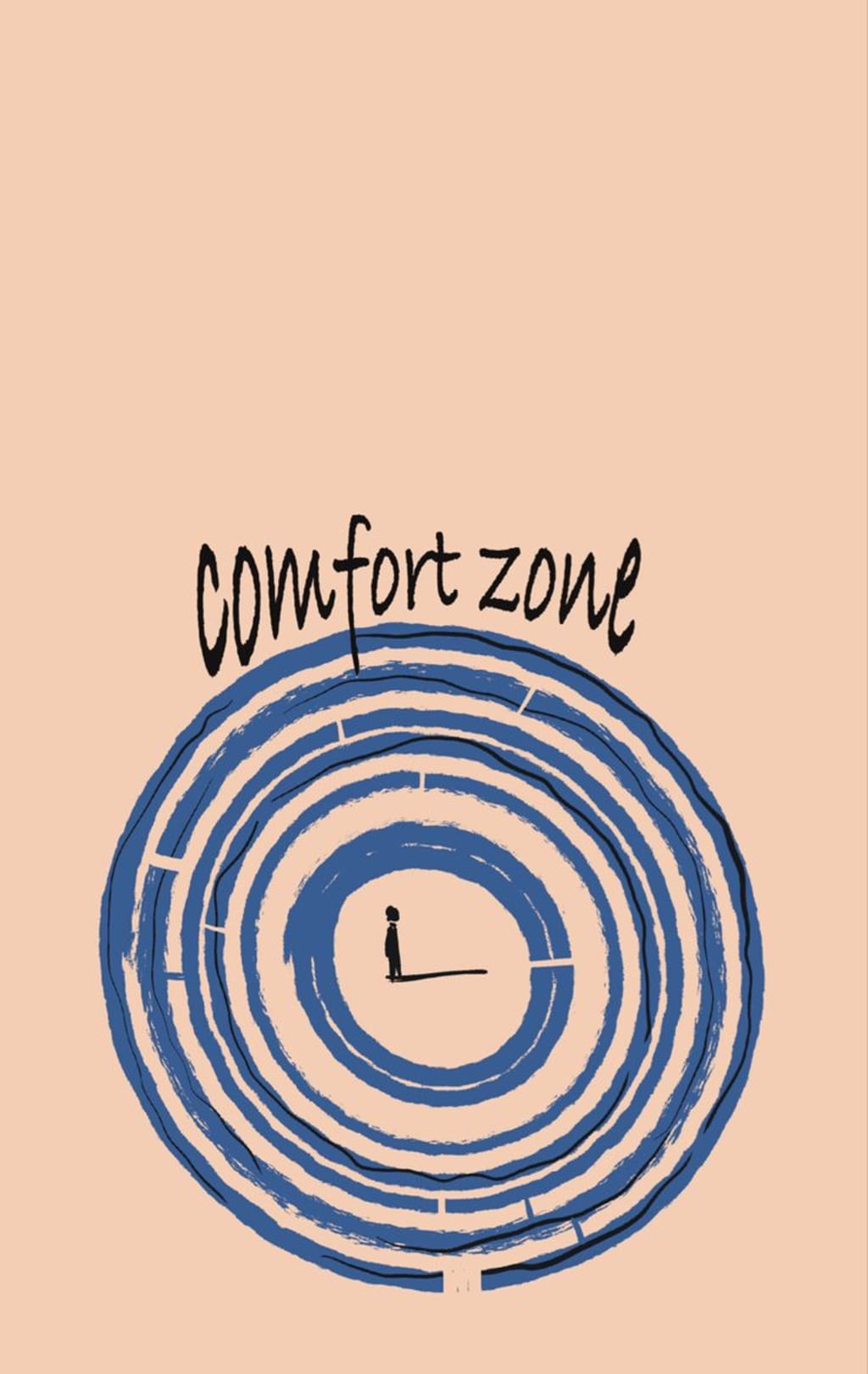
There’s nothing wrong with feeling comfortable at home. It’s your safe space, your place to relax, recharge, and be yourself. But what happens when that comfort starts turning into avoidance? When staying in no longer feels like a choice, but something you can’t seem to break out of?
If you’ve ever noticed that the more time you spend inside, the harder it feels to go out, you’re not imagining it. This is a real pattern—and it can slowly shape your habits, your mindset, and even your confidence.
How Comfort Becomes a Habit
At first, staying home is just a preference. Maybe you choose a quiet night in over going out. Then it happens again. And again.
Over time, your brain starts recognizing this as the “default” behavior.
Humans are wired to conserve energy and avoid discomfort. So when your mind realizes that staying home is easier, safer, and more predictable, it begins to favor it more and more.
Eventually, going out starts to feel like the “hard” option—even if it never used to be.
The Shrinking Comfort Zone
Your comfort zone isn’t fixed. It expands or shrinks based on your actions.
When you regularly go out, meet people, or try new things, your comfort zone grows. You become more adaptable, more confident, and more open to experiences.
But when you stay inside for long periods, the opposite happens. Your world becomes smaller—not physically, but mentally.
Things that used to feel normal, like going to a café, meeting friends, or even taking a walk, can start to feel like a big effort.
Why It Gets Harder Over Time
The more you avoid something, the more unfamiliar it becomes.
And the more unfamiliar something feels, the more resistance your brain creates around it.
It’s not laziness—it’s conditioning.
Your brain starts associating “outside” with effort, unpredictability, and maybe even discomfort. Meanwhile, “home” becomes associated with safety, control, and ease.
So when you think about going out, you feel that internal resistance—not because you don’t want to, but because your mind has adapted to a different routine.
The Role of Instant Comfort
At home, everything is easy. You have your phone, your bed, your favorite shows, your snacks—everything designed for immediate comfort.
Outside, things require effort. You have to get ready, move, interact, and engage with the world.
When your brain gets used to constant, instant comfort, anything that requires effort starts to feel “too much.”
This creates a cycle:
- You stay in because it’s easy
- Going out feels harder
- So you stay in even more
And the cycle continues.
The Hidden Impact on Your Life
Staying home too much doesn’t just affect your routine—it can affect your mood, your energy, and your perspective.
You may start to feel:
- Less motivated
- More isolated
- More anxious about simple things
- Disconnected from the outside world
Even if you enjoy being alone, too much isolation can quietly affect your mental state.
Humans need variety, movement, and interaction—even in small amounts.
Breaking the Cycle Gently
The solution isn’t forcing yourself into big, overwhelming changes. That usually backfires.
Instead, start small.
Go for a short walk. Step outside for five minutes. Visit a nearby place without any pressure to stay long.
The goal isn’t to suddenly become super social or busy—it’s to rebuild familiarity with being outside.
Each small action sends a signal to your brain: “This is normal. This is okay.”
Rebuilding Your Comfort Zone
Think of your comfort zone like a muscle. It grows when you use it.
The more you expose yourself to the outside world—even in small ways—the easier it becomes.
What once felt difficult starts to feel natural again.
And slowly, your world expands.
Finding Balance
This isn’t about avoiding home or forcing yourself to always be out. Comfort is important.
But balance is key.
Home should be a place you return to—not a place that limits you.
You deserve both comfort and experience. Both rest and movement.
Final Thoughts
The more you stay in your comfort zone, the smaller it becomes. But the moment you start stepping out—even just a little—you begin to take that space back.
You don’t need to make big changes overnight. Just open the door, step outside, and remind yourself that the world is still there.
And more importantly—you still belong in it.
Comments
There are no comments for this story
Be the first to respond and start the conversation.