
The Civilisation Within Us
Polarisation, desensitisation and the forgotten value of sensitivity


Civilisations rise and fall, but one thing seemingly remains the same throughout the ages - human nature. Or so it seems if one is frequently exposed to news and the online world. Certain themes seem to repeat themselves, regardless of the time period or the level of technological advancement of the society. Let’s explore some relevant shadowy patterns that are worth being aware of in ourselves and others in these times of transition.
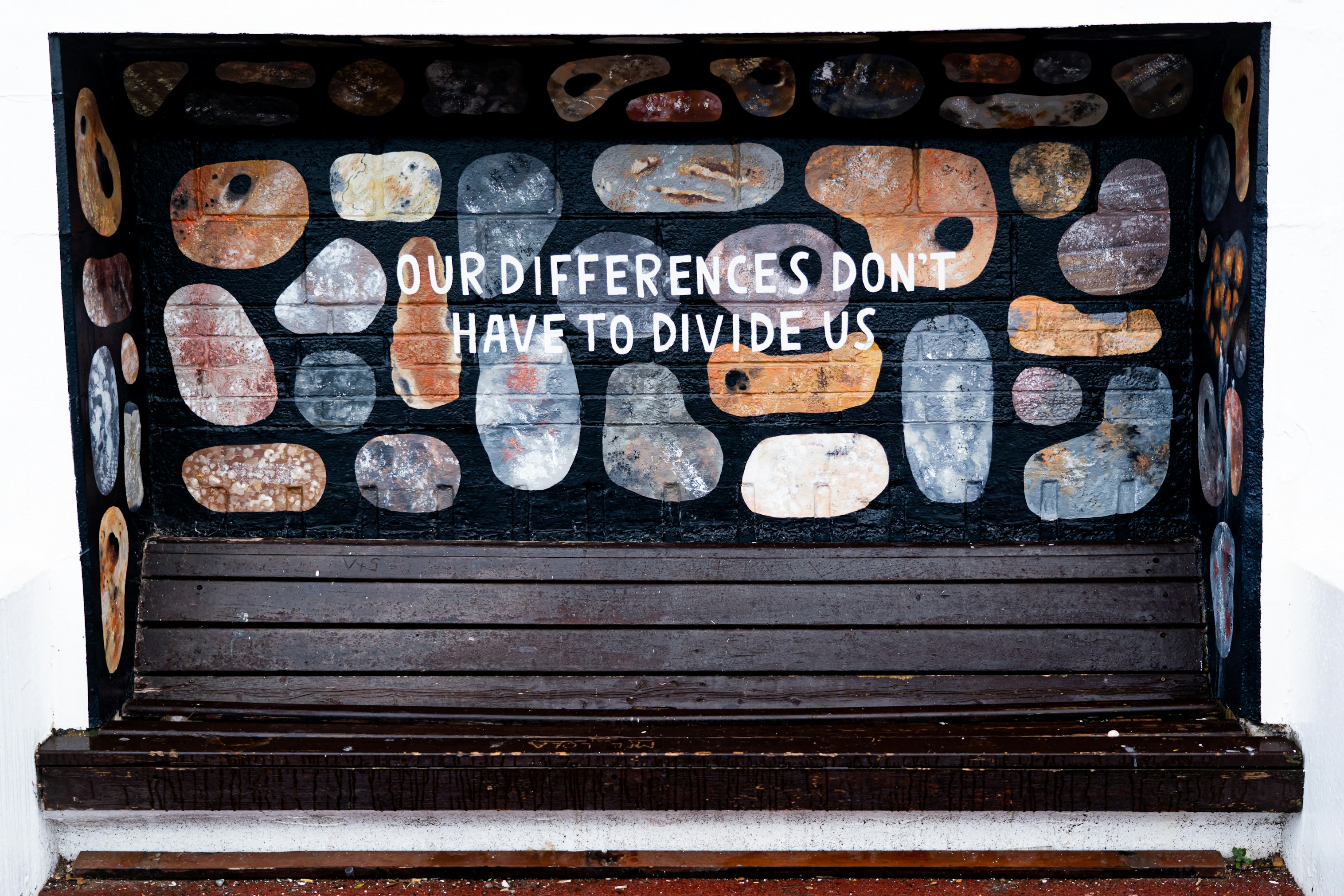
Age old dynamics such as division and polarisation are very prevalent in our society right now, and have been increasingly escalating since the year 2020. It is truly one of the more basic settings of the human psyche to become polarised, and has to do with survival, in my opinion. In the wilderness, there wasn’t much time to reflect and decide whether the other was on your side or against you. In order to survive, it was better to polarise and act quickly: run or fight. Hence the fight-or-flight response, which we also share with other mammals. There’s also an even more ancient survival response, freeze, which we share with both mammals and reptiles, but being polarised and having an “us against them” mentality is mainly about fight. These days, of course it doesn’t even have to be a physical fight, so much of it happens online - in the environment which by default holds less accountability and allows people to become even nastier than they would be in person. Needless to say, the negative effects on one’s nervous system are just as real; we are social beings and being attacked by one’s fellow humans inevitably registers as stress. Even if some people aren’t consciously aware of it, due to having a “thicker skin”.
As a side note, I find it ironic that so many religions throughout history would fight one another, and even kill in the name of God. As if there were anything divine in those dynamics. On that level, there is no embodiment of the higher values available. It is fear, power and survival; the domain of the lower three chakras.
Maybe this is the lesson humanity has been struggling to learn for far too long, and perhaps this is why we’ve been experiencing such unusual manifestations of it since 2020, as we are exiting Kali Yuga, the darkest age spiritually speaking.
By “unusual manifestations”, I mean the extent to which this polarisation has entered areas of life that would previously have been considered deeply personal, such as our health, our bodies, our medical choices, and even our relationships with people who made different choices from us.
And there is another survival mechanism that is relevant here, namely desensitisation.
It seems that for some people when the exposure to threatening or disturbing content happens repeatedly, the nervous system can adapt by becoming less responsive to it. What once was shocking can gradually become normalised, this possibly being another way in which the psyche adapts, although arguably it leads to degradation not only of the individuals, but of entire societies.
More specifically - I watched an in-depth video the other day about how current times resemble the collapse of the Roman Empire, and the similarities are striking. What especially caught my attention was the parallel between the desensitisation that occurred as a result of the extensive exposure to the cruelty of gladiatorial games, and the current overload of violent and shocking online/media content. This being one of the things that led to the degradation of society.
Still think being sensitive, and as a result affected by violent stimuli, is a weakness? Think again. It’s literally the opposite, and evolution rests on the shoulders of people who can feel.
About the Creator
Eva Smitte
Writer, model, mental health advocate. Instagram @eva_smitte
Enjoyed the story? Support the Creator.
Subscribe for free to receive all their stories in your feed.
Comments
There are no comments for this story
Be the first to respond and start the conversation.