
The Addiction to Starting Over
Why you keep resetting your life instead of actually changing it

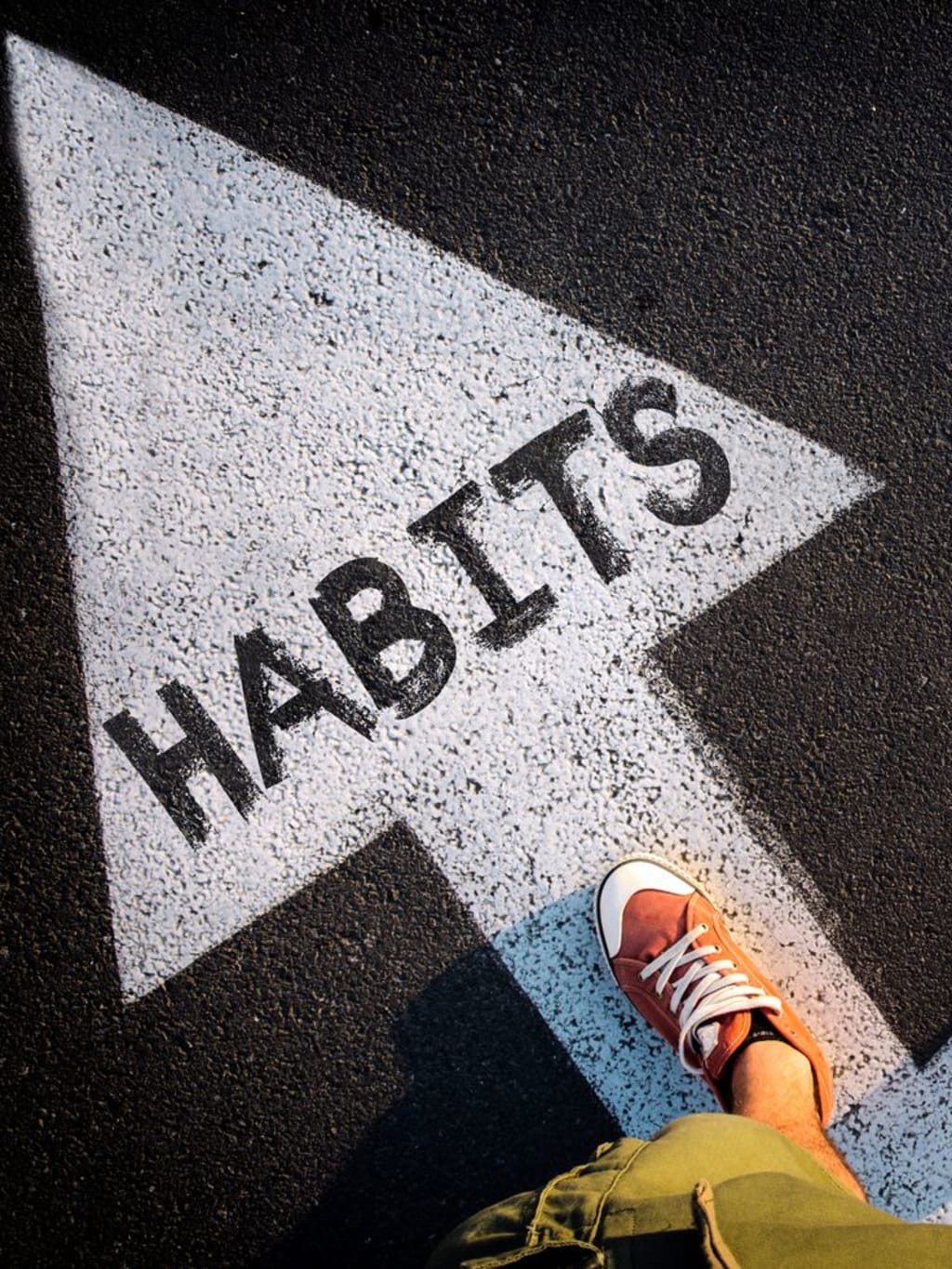
There’s something strangely comforting about starting over. A new plan, a new routine, a new version of yourself. You tell yourself, this time it’s different. This time you’re more serious, more focused, more ready. You clean everything up, organize your thoughts, maybe even write down goals that sound powerful. For a moment, it feels like control. Like progress. Like you’re finally getting your life together.
But then, slowly, it fades.
You miss a day. Then two. Then the structure disappears. The motivation you felt at the beginning is gone, and instead of adjusting, instead of continuing imperfectly, you do what you’ve always done—you reset. Again.
And again.
And again.
At some point, you stop noticing it. It just becomes your pattern. Not consistency, not growth—just cycles of starting over.
The truth is, most people aren’t addicted to progress. They’re addicted to the feeling of a fresh start. Because starting over is clean. It has no mistakes attached to it. No failures. No proof that you struggled. It’s a blank page, and blank pages feel safe. But real growth doesn’t happen on blank pages. It happens on messy ones—pages filled with crossed-out lines, half-finished attempts, and moments where you didn’t get it right but kept going anyway.
When you constantly restart, you never build anything solid. You keep going back to zero. You never stay long enough in the uncomfortable middle—the part where it’s not exciting anymore, where results are slow, where discipline actually matters. That’s the part that creates change. But it’s also the part most people avoid.
Because continuing is harder than restarting.
Continuing means facing the fact that you’re not perfect. It means working through low energy, distractions, boredom, and doubt. It means showing up without the hype, without the emotional boost, without that “new beginning” feeling. And that’s where most people quit—not because they can’t do it, but because it doesn’t feel good anymore.
So they go back to what does feel good: resetting.
“I’ll start Monday.”
“I’ll do it properly next month.”
“I need a fresh plan.”
But what they really need isn’t a new start. It’s the ability to not quit when things stop being exciting.
Because the life you want isn’t built in the beginning. It’s built in the repetition. In the days that feel the same. In the moments where nothing special happens, but you still show up. That’s where identity is formed—not in intensity, but in consistency.
There’s also something deeper behind this habit. Starting over gives you the illusion that you’re in control. It makes you feel like you’re doing something, like you’re taking action. But if you’re always restarting, you’re never actually moving forward. You’re just moving in circles, convincing yourself it’s a straight line.
And time doesn’t care how many times you reset.
It keeps going.
So the real shift is simple, but not easy: stop restarting. Just continue.
Miss a day? Continue.
Mess up your routine? Continue.
Lose motivation? Continue.
Because the moment you learn how to keep going without needing a perfect restart, everything changes. You stop depending on motivation. You stop chasing that temporary high. And you finally start building something real.
Something that doesn’t disappear the moment things get hard.
Because the people who actually change their lives aren’t the ones who start the most times—they’re the ones who stop quitting in the middle.
And once you understand that, you won’t need another fresh start.
You’ll just need to keep going.
Comments
There are no comments for this story
Be the first to respond and start the conversation.