how to
Whether you're lucky in love or still searching for your soulmate, learn how to be the best partner possible.
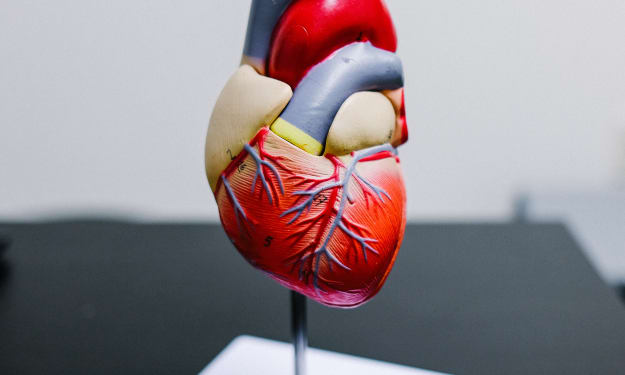
8 Natural Ways to Prevent Heart Disease
8 Natural Ways to Prevent Heart Disease Having a healthy heart is essential for living a long and healthy life. Unfortunately, heart disease remains one of the leading causes of death in the United States. Fortunately, there are many natural ways to reduce your risk of developing this serious health condition. In this blog post, we'll cover 8 natural ways to prevent heart disease and keep your heart healthy. 1) Get regular exercise Exercise is one of the most important things you can do to reduce your risk of heart-related diseases. Physical activity helps to keep your heart and blood vessels healthy, as well as improving overall health. Regular exercise helps to lower your blood pressure, improve your cholesterol levels, and reduce stress. It also strengthens the heart muscle and can help to reduce the risk of a heart attack. When you exercise, your heart rate increases and the heart beats faster. This increases the amount of oxygen and nutrients that circulate in your body. Exercise also helps to burn off excess calories and fat, which can help to lower your cholesterol levels. Getting regular physical activity can also help you maintain a healthy weight. By getting at least 30 minutes of moderate intensity exercise five days a week, you can significantly reduce your risk of heart-related diseases. The best types of exercises for your heart include walking, jogging, swimming, biking, and strength training. So take the time to get active and look after your heart! While exercising, it’s important to be mindful of how hard you’re pushing yourself—pushing too hard or overdoing it could lead to an increased risk of heart attack. Listen to your heart beat and be sure to stay within your target heart rate zone. A great way to monitor your heart beat during exercise is with a heart rate monitor watch or chest strap. If your heart beat exceeds the maximum level recommended by experts, stop exercising immediately and contact your doctor right away. Staying active not only reduces your risk of heart disease but can have many other positive benefits such as reducing stress, improving mental clarity, and boosting mood. Take time out each day to get active so you can continue to enjoy good heart health for years to come. Make sure you follow the recommended guidelines on how much exercise you should get, and always listen to your body. You should never push yourself beyond your limit, as this could increase your chances of having a heart attack. Keep up with regular medical checkups so any signs of heart problems can be detected early on and treated promptly. Avoid smoking or drinking heavily, both of which are known risk factors for heart attacks. Be aware of your family history of heart attacks – if any family members have had heart attacks then you should discuss this with your doctor so they can advise on the best preventative measures for you. Finally, eat a balanced diet full of whole grains, fruits, vegetables, lean proteins and low-fat dairy products – this will give your heart the nutrition it needs to stay healthy and strong. GOT OTHER QUESTIONS TO ASK? GET A FREE CONSULTATION TODAY WITH OUR HIGHLY PROFESSIONAL NUTRITIONISTS 2) Eat a healthy dietdiet A healthy diet is essential for keeping your heart healthy. Eating a balanced diet that is rich in fruits, vegetables, whole grains, and lean proteins can help reduce your risk of developing heart disease. Avoid foods that are high in saturated fats, trans fats, cholesterol, and added sugar. Make sure to include plenty of fiber-rich foods such as legumes, oats, nuts, seeds, and fruits and vegetables in your diet. Additionally, be sure to get enough omega-3 fatty acids from sources such as salmon, walnuts, flaxseeds, and chia seeds. 3) Quit smoking Smoking is a major risk factor for heart disease and should be avoided at all costs. Smoking increases your blood pressure and heart rate, which puts additional strain on your cardiovascular system. It can also increase the amount of “bad” cholesterol in your blood, and decrease the amount of “good” cholesterol. Smoking also increases the risk of dangerous clots forming in your arteries, which can cause a heart attack or stroke. If you currently smoke, the best thing you can do to reduce your risk of heart disease is to quit. Quitting smoking can have immediate health benefits, such as improved lung function, better circulation and lower blood pressure. There are many resources available to help you quit smoking, including nicotine replacement products, prescription medications and support groups. The most important thing is to have a plan and find something that works for you. 4) Limit your alcohol intake Alcohol can increase the risk of developing heart disease, so it's important to be aware of how much you're consuming. Heavy drinking can raise your blood pressure and lead to a higher risk of heart attack, stroke, and other heart-related problems. To reduce your risk, limit your alcohol intake to no more than two drinks per day for men and one drink per day for women. If you don't drink alcohol at all, that's perfectly fine too. It's also important to remember that there are many ways to enjoy yourself without alcohol, like socializing with friends, going for walks, or trying new hobbies. 5) Manage your stress Stress can play a role in heart health, so it’s important to learn ways to effectively manage stress. Take time to relax and unwind each day. Make time for activities you enjoy like reading, taking a bath, listening to music, or spending time with friends. Talk to someone you trust about your stress. Doing this can help you feel better and more in control of the situation. Exercise can also be a great way to reduce stress. Get at least 30 minutes of moderate intensity physical activity most days of the week. This can help to lower your blood pressure and reduce levels of the stress hormone cortisol. Yoga, tai chi, and deep breathing can also be beneficial for stress management. Try to practice them for at least 10 minutes per day. Finally, get enough sleep. Most adults need 7-9 hours of sleep each night to stay healthy and alert. Lack of sleep can affect your mood and energy level and make it harder to manage stress. If you have trouble sleeping, talk to your doctor about options for improving your sleep quality. GOT OTHER QUESTIONS TO ASK? GET A FREE CONSULTATION TODAY WITH OUR HIGHLY PROFESSIONAL NUTRITIONISTS 6) Keep your blood pressure and cholesterol under control Maintaining a healthy blood pressure and cholesterol level is an important step in preventing heart disease. High blood pressure and high cholesterol can both lead to atherosclerosis, or the buildup of fatty deposits in your arteries, which can block the flow of blood to your heart. The best way to keep your blood pressure and cholesterol levels under control is to make lifestyle changes. These include eating a balanced diet that is low in saturated fats, exercising regularly, not smoking, limiting alcohol consumption, and managing stress. Eating foods that are rich in potassium, such as fruits and vegetables, can also help. Your doctor can help you determine if you need to take medication to reduce your blood pressure and/or cholesterol levels. In addition, there are natural supplements that may help lower your blood pressure and cholesterol, including omega-3 fatty acids, garlic, and CoQ10. It’s important to talk to your doctor before taking any supplements, as they may interact with other medications or have side effects. By making these lifestyle changes and monitoring your blood pressure and cholesterol levels, you can reduce your risk of developing heart disease and stroke. 7) Maintain a healthy weight One of the most important ways to prevent heart disease is to maintain a healthy weight. Being overweight can put extra strain on your heart, leading to high blood pressure, increased cholesterol levels and a higher risk of developing diabetes. It’s important to stay active and follow a balanced diet in order to keep your weight in check. A nutritious diet and regular physical activity can help you lose weight and keep it off. Try to limit processed foods, refined grains and added sugar, and fill up on fresh fruits and vegetables instead. Choose lean proteins like fish, poultry, and beans, and get plenty of fiber from whole grains, nuts, and legumes. Additionally, limit your portion sizes, and focus on eating mindfully instead of just focusing on calories. Incorporating healthy lifestyle habits like these can help you maintain a healthy weight and reduce your risk of heart-related diseases. 8) Take steps to prevent infections Infections such as pneumonia, urinary tract infections, and other illnesses can increase the risk of heart disease. Taking steps to prevent infections is an important way to protect your heart health. To reduce your risk of getting an infection, wash your hands often with soap and water, especially before preparing food and after using the bathroom. You should also avoid contact with people who have a contagious illness. Make sure to get recommended vaccinations, like the flu shot, to stay protected. It’s also important to practice safe sex to reduce the risk of sexually transmitted infections (STIs). STIs can increase your risk of developing heart disease, so always use condoms when engaging in sexual activity. Following these simple steps can help you prevent infections and protect your heart health. GOT OTHER QUESTIONS TO ASK? GET A FREE CONSULTATION TODAY WITH OUR HIGHLY PROFESSIONAL NUTRITIONISTS
By Cloud Ways4 years ago in Humans
Why Spending More Time Inside is the Key to Personal Growth
In today's fast-paced world, it's easy to get caught up in the hustle and bustle of everyday life. We're constantly on the go, striving to achieve our goals and keep up with the demands of modern society. But during all this chaos, it's important to remember that true growth and transformation happen within us. Inside us...somewhere deep, perhaps.
By Rick Martinez4 years ago in Humans
Lucid Dreaming
Lucid dreaming is an unusual and exciting experience in which you become aware that you are dreaming while remaining in the dream. In a lucid dream, you have control over your dream and may modify it anyway you wish. For many years, researchers have been interested in and studying lucid dreaming, and they have revealed various benefits to this practice, including better creativity, problem-solving abilities, and emotional stability. In this post, we'll go over the basics of lucid dreaming and give you some pointers on how to get started.
By Shahmeer Ghuman4 years ago in Humans
7 Tips to Help You Lose Weight and Get Your Dream Body by Summer
Do you want to get your dreambody by summer? Losing weight and getting in shape can seem like a daunting task, but it doesn't have to be! With the right approach and determination, you can get your dream body in time for summer. In this blog post, we'll give you 7 tips to help you lose weight and get your dream body by summer. So if you're ready to get started, read on and get the body of your dreams just in time for the warmer months!
By Tim Rudolf4 years ago in Humans
How to Lean Belly Fat
Belly fat, also known as visceral fat, is a type of fat that accumulates around your abdomen and internal organs. While some amount of body fat is necessary for survival, excess belly fat can be harmful to your health and increase your risk of developing various diseases such as heart disease, diabetes, and certain cancers. Several factors can contribute to the accumulation of belly fat, including genetics, age, hormonal changes, and a sedentary lifestyle. It's essential to understand the risks associated with belly fat and take steps to reduce it.
By Amber Owais4 years ago in Humans
The Power of Vitamins: How Biotin, Vitamin D, and Vitamin E Can Help You Grow a Better Beard
Once upon a time, there was a young man named Jack who dreamed of growing a beard. He had always admired the full, bushy beards of his favorite musicians and actors, but no matter how much he tried, he couldn't seem to grow more than a few scraggly patches. Jack was frustrated and discouraged, and he began to wonder if he would ever be able to achieve his dream.
By Hafiz Tayyab4 years ago in Humans
Lipsticks
Lipstick has been a staple of the cosmetics industry for decades. It is one of the most versatile and easy-to-use products available, and it comes in a wide range of colors, textures, and finishes. In this article, we will explore the history of lipstick, the different types of lipstick available, and how to choose the right lipstick for your skin tone.
By Huseyin Fatih4 years ago in Humans
Survival Kits: The Ultimate Guide to Being Prepared for Anything!
Survival kits are an essential item that everyone should have. Whether you are planning a hiking trip, camping adventure, or just preparing for an emergency, survival kits can provide you with the necessary tools and supplies to help you survive in difficult situations. Here are some reasons why you should consider investing in a survival kit.
By Kağan Akdoğan4 years ago in Humans
Discover the Secret to Flawless Skin with These High-End Luxury Beauty Brands!
Luxury Beauty: The Art of Self-Care There is no denying the pleasure of indulging in luxury beauty products. From the smooth feel of a silk face mask to the intoxicating scent of an expensive perfume, luxury beauty has a way of making us feel pampered and special. But luxury beauty is not just about extravagance - it's also about the art of self-care.
By Kağan Akdoğan4 years ago in Humans
"Peace of Mind at Your Fingertips: Reliable and Easy-to-Use Security Camera"
Security cameras have become an increasingly popular tool for home and business owners who want to protect their property and assets. These cameras can be used to monitor activity both inside and outside a building, providing a valuable layer of security that can help prevent theft, vandalism, and other crimes. In this article, we'll explore the benefits of using a security camera system.
By Your Guy Neighbor4 years ago in Humans