
8 Natural Ways to Prevent Heart Disease
8 Natural Ways to Prevent Heart Disease
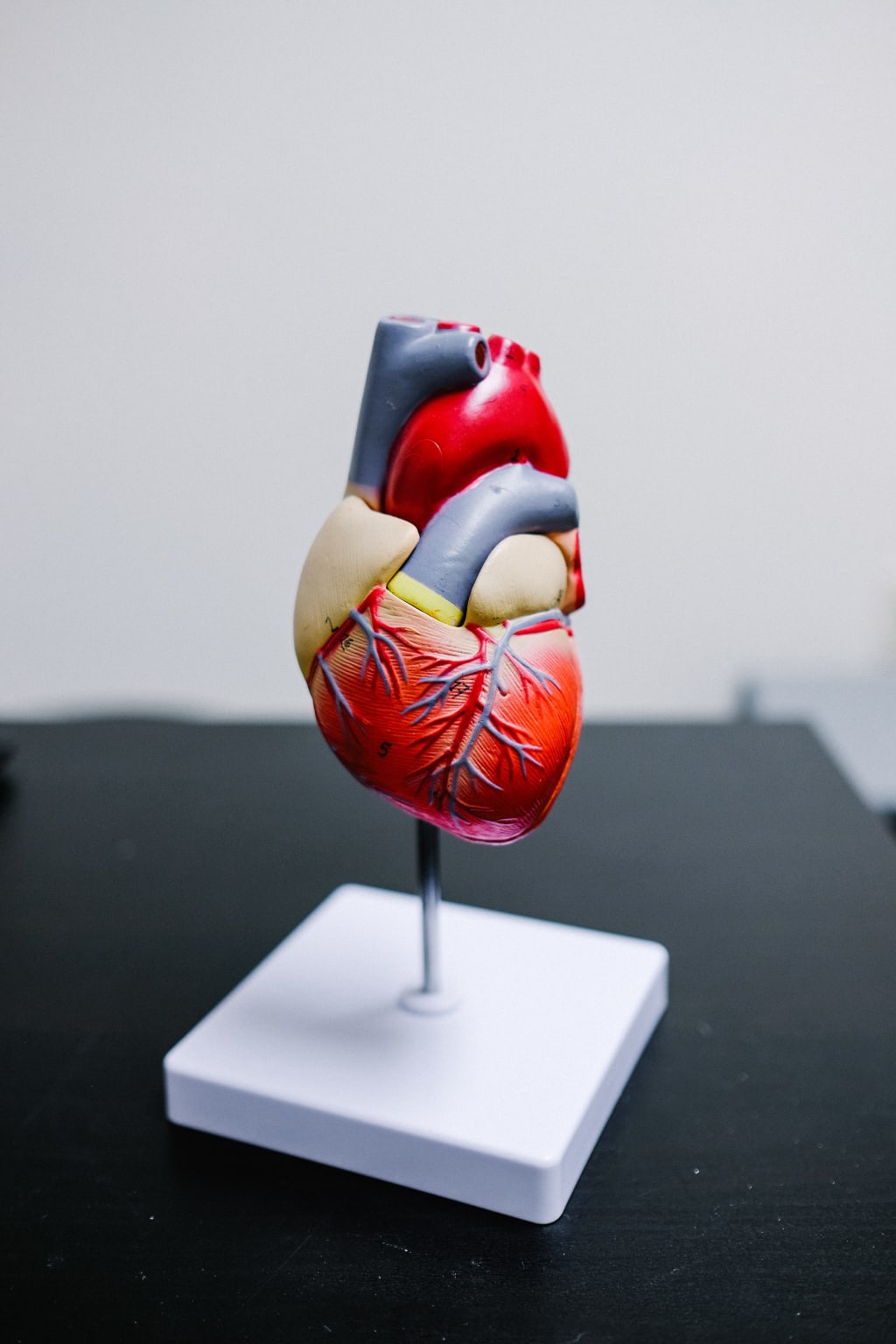
8 Natural Ways to Prevent Heart Disease Having a healthy heart is essential for living a long and healthy life. Unfortunately, heart disease remains one of the leading causes of death in the United States. Fortunately, there are many natural ways to reduce your risk of developing this serious health condition. In this blog post, we'll cover 8 natural ways to prevent heart disease and keep your heart healthy. 1) Get regular exercise Exercise is one of the most important things you can do to reduce your risk of heart-related diseases. Physical activity helps to keep your heart and blood vessels healthy, as well as improving overall health. Regular exercise helps to lower your blood pressure, improve your cholesterol levels, and reduce stress. It also strengthens the heart muscle and can help to reduce the risk of a heart attack. When you exercise, your heart rate increases and the heart beats faster. This increases the amount of oxygen and nutrients that circulate in your body. Exercise also helps to burn off excess calories and fat, which can help to lower your cholesterol levels. Getting regular physical activity can also help you maintain a healthy weight. By getting at least 30 minutes of moderate intensity exercise five days a week, you can significantly reduce your risk of heart-related diseases. The best types of exercises for your heart include walking, jogging, swimming, biking, and strength training. So take the time to get active and look after your heart! While exercising, it’s important to be mindful of how hard you’re pushing yourself—pushing too hard or overdoing it could lead to an increased risk of heart attack. Listen to your heart beat and be sure to stay within your target heart rate zone. A great way to monitor your heart beat during exercise is with a heart rate monitor watch or chest strap. If your heart beat exceeds the maximum level recommended by experts, stop exercising immediately and contact your doctor right away. Staying active not only reduces your risk of heart disease but can have many other positive benefits such as reducing stress, improving mental clarity, and boosting mood. Take time out each day to get active so you can continue to enjoy good heart health for years to come. Make sure you follow the recommended guidelines on how much exercise you should get, and always listen to your body. You should never push yourself beyond your limit, as this could increase your chances of having a heart attack. Keep up with regular medical checkups so any signs of heart problems can be detected early on and treated promptly. Avoid smoking or drinking heavily, both of which are known risk factors for heart attacks. Be aware of your family history of heart attacks – if any family members have had heart attacks then you should discuss this with your doctor so they can advise on the best preventative measures for you. Finally, eat a balanced diet full of whole grains, fruits, vegetables, lean proteins and low-fat dairy products – this will give your heart the nutrition it needs to stay healthy and strong. GOT OTHER QUESTIONS TO ASK? GET A FREE CONSULTATION TODAY WITH OUR HIGHLY PROFESSIONAL NUTRITIONISTS 2) Eat a healthy dietdiet A healthy diet is essential for keeping your heart healthy. Eating a balanced diet that is rich in fruits, vegetables, whole grains, and lean proteins can help reduce your risk of developing heart disease. Avoid foods that are high in saturated fats, trans fats, cholesterol, and added sugar. Make sure to include plenty of fiber-rich foods such as legumes, oats, nuts, seeds, and fruits and vegetables in your diet. Additionally, be sure to get enough omega-3 fatty acids from sources such as salmon, walnuts, flaxseeds, and chia seeds. 3) Quit smoking Smoking is a major risk factor for heart disease and should be avoided at all costs. Smoking increases your blood pressure and heart rate, which puts additional strain on your cardiovascular system. It can also increase the amount of “bad” cholesterol in your blood, and decrease the amount of “good” cholesterol. Smoking also increases the risk of dangerous clots forming in your arteries, which can cause a heart attack or stroke. If you currently smoke, the best thing you can do to reduce your risk of heart disease is to quit. Quitting smoking can have immediate health benefits, such as improved lung function, better circulation and lower blood pressure. There are many resources available to help you quit smoking, including nicotine replacement products, prescription medications and support groups. The most important thing is to have a plan and find something that works for you. 4) Limit your alcohol intake Alcohol can increase the risk of developing heart disease, so it's important to be aware of how much you're consuming. Heavy drinking can raise your blood pressure and lead to a higher risk of heart attack, stroke, and other heart-related problems. To reduce your risk, limit your alcohol intake to no more than two drinks per day for men and one drink per day for women. If you don't drink alcohol at all, that's perfectly fine too. It's also important to remember that there are many ways to enjoy yourself without alcohol, like socializing with friends, going for walks, or trying new hobbies. 5) Manage your stress Stress can play a role in heart health, so it’s important to learn ways to effectively manage stress. Take time to relax and unwind each day. Make time for activities you enjoy like reading, taking a bath, listening to music, or spending time with friends. Talk to someone you trust about your stress. Doing this can help you feel better and more in control of the situation. Exercise can also be a great way to reduce stress. Get at least 30 minutes of moderate intensity physical activity most days of the week. This can help to lower your blood pressure and reduce levels of the stress hormone cortisol. Yoga, tai chi, and deep breathing can also be beneficial for stress management. Try to practice them for at least 10 minutes per day. Finally, get enough sleep. Most adults need 7-9 hours of sleep each night to stay healthy and alert. Lack of sleep can affect your mood and energy level and make it harder to manage stress. If you have trouble sleeping, talk to your doctor about options for improving your sleep quality. GOT OTHER QUESTIONS TO ASK? GET A FREE CONSULTATION TODAY WITH OUR HIGHLY PROFESSIONAL NUTRITIONISTS 6) Keep your blood pressure and cholesterol under control Maintaining a healthy blood pressure and cholesterol level is an important step in preventing heart disease. High blood pressure and high cholesterol can both lead to atherosclerosis, or the buildup of fatty deposits in your arteries, which can block the flow of blood to your heart. The best way to keep your blood pressure and cholesterol levels under control is to make lifestyle changes. These include eating a balanced diet that is low in saturated fats, exercising regularly, not smoking, limiting alcohol consumption, and managing stress. Eating foods that are rich in potassium, such as fruits and vegetables, can also help. Your doctor can help you determine if you need to take medication to reduce your blood pressure and/or cholesterol levels. In addition, there are natural supplements that may help lower your blood pressure and cholesterol, including omega-3 fatty acids, garlic, and CoQ10. It’s important to talk to your doctor before taking any supplements, as they may interact with other medications or have side effects. By making these lifestyle changes and monitoring your blood pressure and cholesterol levels, you can reduce your risk of developing heart disease and stroke. 7) Maintain a healthy weight One of the most important ways to prevent heart disease is to maintain a healthy weight. Being overweight can put extra strain on your heart, leading to high blood pressure, increased cholesterol levels and a higher risk of developing diabetes. It’s important to stay active and follow a balanced diet in order to keep your weight in check. A nutritious diet and regular physical activity can help you lose weight and keep it off. Try to limit processed foods, refined grains and added sugar, and fill up on fresh fruits and vegetables instead. Choose lean proteins like fish, poultry, and beans, and get plenty of fiber from whole grains, nuts, and legumes. Additionally, limit your portion sizes, and focus on eating mindfully instead of just focusing on calories. Incorporating healthy lifestyle habits like these can help you maintain a healthy weight and reduce your risk of heart-related diseases. 8) Take steps to prevent infections Infections such as pneumonia, urinary tract infections, and other illnesses can increase the risk of heart disease. Taking steps to prevent infections is an important way to protect your heart health. To reduce your risk of getting an infection, wash your hands often with soap and water, especially before preparing food and after using the bathroom. You should also avoid contact with people who have a contagious illness. Make sure to get recommended vaccinations, like the flu shot, to stay protected. It’s also important to practice safe sex to reduce the risk of sexually transmitted infections (STIs). STIs can increase your risk of developing heart disease, so always use condoms when engaging in sexual activity. Following these simple steps can help you prevent infections and protect your heart health. GOT OTHER QUESTIONS TO ASK? GET A FREE CONSULTATION TODAY WITH OUR HIGHLY PROFESSIONAL NUTRITIONISTS
About the Creator
Enjoyed the story? Support the Creator.
Subscribe for free to receive all their stories in your feed.
Comments
There are no comments for this story
Be the first to respond and start the conversation.