breakups
When it comes to breakups, pain is inevitable, but Humans thinks that suffering is optional.
The Stranger Who Knew My Name Before I Spoke
It was an ordinary Tuesday morning — the kind where the world moves half-awake, faces buried in phones, coffee cups in shaking hands. I boarded the 8:12 train like always, found my seat by the window, and prepared for another silent ride to work.
By Malaika Pioletabout a year ago in Humans
Retro Tech 100
Retro Tech 100 The Sound Era: 10 Devices That Changed How We Heard the World. Before streaming became invisible, music was something you touched. It had texture, temperature, and ritual. You flipped switches, pressed clunky buttons, wound tape with a pencil, and carried sound like a secret. Every beat took effort; every song, a bit of patience.
By Sayed Zewayedabout a year ago in Humans
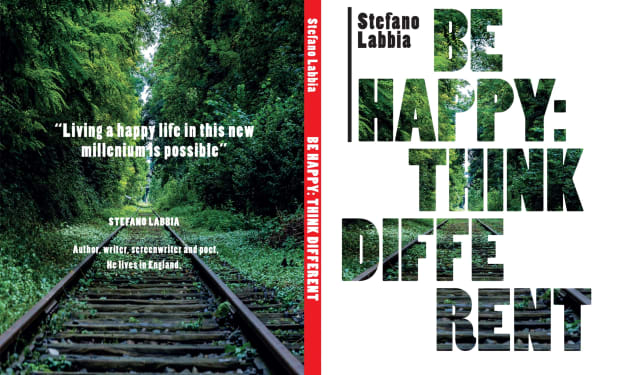
Why You Must Read "Be Happy: Think Different" Now
It is a truth universally acknowledged that we all yearn for a deeper sense of fulfillment. We see it in the hurried steps, the relentless pursuit of more, the way we structure our days around external benchmarks of accomplishment. It's an honest aspiration, this desire for happiness, but somewhere along the line, the narrative shifted. We began to equate joy with accumulation, with achievement, believing the brass ring of material wealth or professional success would somehow deliver the peace we crave. But, my friends, we know in our hearts that this is a foundation built on sand. True, lasting happiness—the kind that sustains you through the inevitable storms—is not an elusive treasure hidden far away; it is a profound internal discipline.
By Andrea Baerenabout a year ago in Humans
The Power of Authentic Living: The Importance of Honesty in a Deceitful World
We are living in a moment where the lines often feel blurred, where noise seems to drown out the clear, steady hum of truth. It can feel exhausting just trying to navigate the constant barrage of information, the half-truths, and the carefully crafted narratives that swirl around us every single day. Yet, at the heart of this complexity lies a simple, profound choice that we, as individuals, have the power to make. That choice is to anchor ourselves in authenticity, to insist on the quiet, unyielding strength of our own integrity. We must understand that the primary burden of deceit is not external; it’s personal. When we choose to live behind a facade, to spin small untruths, or to mask who we truly are, we are not fooling the world half as much as we are eroding our own core. Think for a moment about the sheer, exhausting labor of maintaining a lie. It’s like carrying an extra suitcase everywhere you go—heavy, unnecessary, and constantly demanding attention. You have to remember the versions, protect the narrative, and constantly look over your shoulder, forever calculating how to keep the fragile structure from crumbling. This kind of existence saps our mental and emotional energy, leaving us perpetually fragmented. The most fundamental relationship we will ever have is the one we have with ourselves, and that relationship can only thrive on undiluted honesty. Self-respect, that quiet dignity that allows us to walk tall and steady, is built brick by honest brick. When we prioritize the truth, especially when it’s difficult, we are essentially declaring that our internal peace is more valuable than any fleeting external approval. We are protecting the sanctuary of our own soul. This commitment to truth extends far beyond our private lives. It is the essential, indispensable foundation upon which all meaningful human connection is built. Whether it is within a marriage, a friendship, or a larger community, trust is the currency, and honesty is the mechanism of exchange. When we are truthful with the people we love, we offer them something invaluable: safety. We give them a clear map of who we are, where we stand, and what they can expect from us. This clarity is a gift, allowing others to relax into the relationship, knowing they don’t have to constantly second-guess motivations or intentions. That is how genuine intimacy blooms. We need spaces where we can be fully seen, flaws and all, and that means we must commit to offering the same grace and transparency to others. True partnership, true community, is impossible without this mutual, vulnerable commitment to the unvarnished facts of our shared experience. It is particularly challenging when we look out and see a landscape where duplicity sometimes seems rewarded. We see examples of manipulation and misdirection playing out on large stages, and the temptation might be to conclude that authenticity is naïve, a weakness in a complicated game. But we must reject that notion utterly. When faced with the torrent of external untruth, our integrity becomes less of a luxury and more of a life raft. Our work is to sharpen our internal tools of discernment, to learn to listen past the noise and identify the clear, consistent voices—and facts—that ring true. We cannot control the chaos others choose to create, but we absolutely control how we choose to respond to it. We control what we allow to take root in our own spirit and what we allow to influence our decisions. Standing in your truth, particularly when the tide is rushing the other way, requires a powerful, quiet courage. It requires deciding, every single day, that you will not be complicit in a falsehood, even a small one, simply because it is convenient or popular. This stand is the most empowering act of self-definition there is. Understanding that every single choice matters—this is where the possibility of change truly resides. The choice to be honest is not just a personal resolution; it is a civic act. It’s a quiet revolution that starts at the kitchen table and ripples outward. When enough people decide that integrity is non-negotiable, that the long-term health of our families and communities trumps the short-term benefit of deception, the environment begins to shift. We are not waiting for a grand, sweeping change to be handed down from above. We are actively creating it, one honest conversation, one truthful promise, and one moment of moral clarity at a time. This steady, persistent commitment to rightness offers an antidote to cynicism. It allows us to keep hope alive, not as a flimsy sentiment, but as a practical, actionable commitment to building a reality we can be proud to inhabit and pass on. It is the only way we can ensure the dignity of our lives, and the best way we can contribute to the dignity of the world around us. Let’s commit to that work, right now.
By Aymes Humpreyabout a year ago in Humans