art
The best relationship art depicts the highs and lows of the authentic couple.
Embracing the Fragile Nature of Being
It's simply so easy to get carried away by the hustle and bustle of this incredibly tender thread of life, is it not? I read something the other day while browsing the media, and I guess I need to stop and reflect more often; "maybe we don't exist in the future we worry about." There are several ways to perceive this saying. I'll admit, whatever this saying provoked within me right away wasn't very positive or uplifting. Perhaps, some of us tend to think of what's the point of anything and everything when we are struck with the reality of life's fragility.
By Kadeeja Mariyamabout a year ago in Humans
Yahya Yuksel: Bridging Creativity and Code as an AI Artist and Masterclass Visionary
In the ever-evolving intersection of art and artificial intelligence, few figures have emerged with as much resonance and innovative clarity as Yahya Yuksel. Both a masterclass educator and AI artist, Yuksel is redefining how we perceive creativity in the digital age. His work not only pioneers the frontier of machine-generated aesthetics but also crafts a profound dialogue between human imagination and computational potential.
By Yahya Yukselabout a year ago in Humans
Trapped Beneath the Earth: The Miracle Rescue of the 33 Chilean Miners
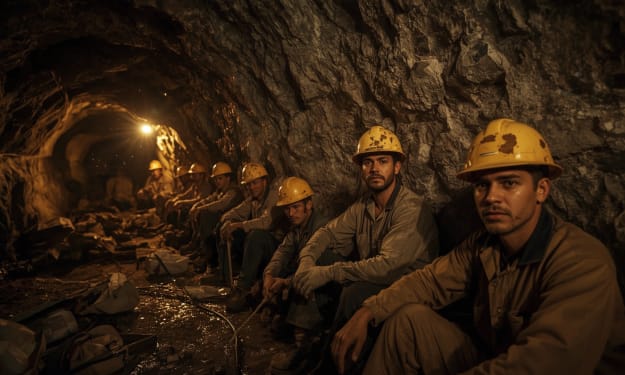
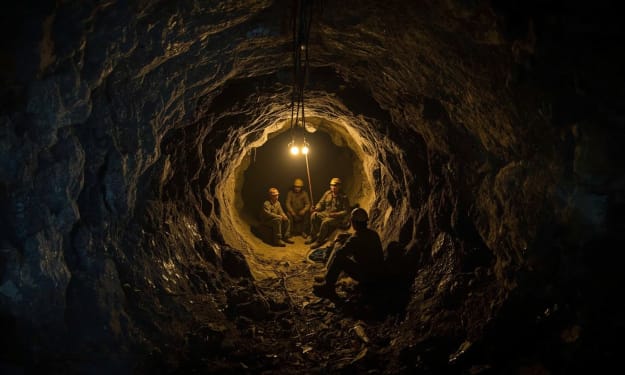
❖ The Collapse That Shocked the World On August 5, 2010, a normal shift at the San José copper-gold mine in northern Chile became a living nightmare. Deep underground, 33 miners were going about their routine when the earth above them gave way. Over 700,000 tons of rock collapsed into the mine, sealing off their exit and leaving them entombed more than 2,300 feet beneath the surface. Communication was lost. Rescue routes were destroyed. Dust choked the air. Families waiting outside feared the worst, as days passed without any sign of life. It was one of the most catastrophic mining disasters in recent history. ❖ 17 Days Without Contact For 17 long, terrifying days, the miners remained trapped with no communication with the outside world. The temperature in the refuge hovered around 30°C (86°F), and humidity was high. Food and water were scarce. They rationed what they had—two spoonfuls of tuna, half a biscuit, and a sip of milk every 48 hours. Yet the men didn’t give up. They established order and assigned roles. Leadership rotated, and they held daily meetings to maintain hope and structure. This discipline was critical to their survival. Above ground, rescuers refused to stop. Using drills, they searched for a sign, any sign, that someone was alive. ❖ “We Are Well in the Shelter, the 33” On August 22, a drill bit broke through. When rescuers pulled it back to the surface, they found a note wrapped around it: “Estamos bien en el refugio, los 33.” ("We are well in the shelter, the 33.") The world gasped. All 33 miners were alive—weak, dehydrated, but alive. The Atacama Desert, silent until now, erupted in cheers. Families cried. Global media arrived. What had started as a disaster became a symbol of hope. Rescuers sent down supplies through narrow tubes—food, water, clothes, medicine, even small luxuries like recorded messages and notes from loved ones. Psychologists helped the miners cope mentally while engineers worked tirelessly to drill a rescue tunnel. ❖ The Phoenix Capsule and Day 69 After weeks of technical planning, the rescue tunnel was complete. A special capsule named Phoenix, equipped with oxygen and safety gear, was built to pull each man up, one by one. On October 13, the first miner, Florencio Ávalos, surfaced. His tearful reunion with his family was broadcast around the world. Over 22 hours, each miner was brought up in the capsule—from the youngest, 19-year-old Jimmy Sánchez, to the oldest, 63-year-old Mario Gómez. The last man to emerge was their shift leader, Luis Urzúa, who had kept order and morale strong underground. When he stepped onto the surface, he hugged the Chilean President and said, “We have done what the whole world was waiting for. ❖ Life After Rescue Though all 33 men survived, their paths afterward varied. Some suffered trauma, nightmares, and anxiety. Others became motivational speakers or wrote books. Their story was turned into a Hollywood film, The 33, and they traveled to share their experience globally. But behind the fame was a heavy truth: survival did not erase what they endured. Many dealt with long-term health problems and struggled to return to work. Still, they remained symbols of human resilience and teamwork. ❖ Reflection The Chilean miners’ story isn’t just about escaping death—it’s about the strength of the human spirit in the darkest of places. Their survival was made possible by unity, leadership, and a refusal to give up. Their ordeal reminded the world that even when buried deep beneath despair, hope can still rise. ❖ A Lasting Reminder More than a decade later, their rescue is remembered as one of the greatest survival stories ever told. It united engineers, families, government, and strangers across the globe. It showed us that in a crisis, humanity can come together—across borders, professions, and beliefs—to save lives. Their story teaches us that when people believe in one another, even the impossible becomes possible.
By Echoes by Imadabout a year ago in Humans
The Day I Stopped Chasing Happiness
For years, I was always chasing something. A better job. A better body. A better version of myself. I had this belief that once I fixed everything in my life, I’d finally be happy. So I kept running — through achievements, relationships, and endless self-improvement routines.
By Muhammad Farhad Khanabout a year ago in Humans
Rafael Devers
Rafael Devers is one of the brightest stars in Major League Baseball (MLB) today. He plays for the Boston Red Sox, one of the most famous baseball teams in the world. Known for his powerful bat and exciting style of play, Devers has become a fan favorite in Boston and across the country.
By Farhan Sayedabout a year ago in Humans
"The Stranger Who Remembered Me Before I Was Born"
I was 27 the first time someone told me they remembered me before I existed. It happened on a late train — the kind that smells like metal and old gum, where time feels a little warped and nobody looks anyone in the eye.
By Hamad Haiderabout a year ago in Humans
Trapped 2,300 Feet Underground for 69 Days 😨
On August 5, 2010, a collapse in the San José copper-gold mine in northern Chile left 33 miners trapped nearly 2,300 feet underground. What began as an ordinary shift turned into a global drama, as families above and rescuers below raced against time. Against all expectations, every miner emerged alive after 69 days. Their story stands as a powerful example of human resilience and teamwork. The Collapse and First Hours Early that morning, a section of rock broke free above the work site, sending debris crashing down the shaft. The miners had just begun their day when the tunnel caved in, cutting off the main routes to the surface. In the darkness, 33 men scrambled to reach a refuge chamber stocked with basic supplies. Many were injured, frightened by tumbling rocks and the echo of shifting earth. When dust settled, they found themselves isolated in a narrow chamber, far from escape routes. Initial estimates feared no one had survived. Only after hours of drilling and probe communications did rescuers confirm that all 33 were alive. That first contact offered a glimmer of hope, but the situation remained dire: limited food, uncertain water supplies, no quick way out, and the psychological weight of being buried deep beneath solid rock. Rationing Supplies and Maintaining Morale Inside the refuge, miners shared small rations of biscuits and water. With each passing day, they faced hunger, dehydration risk, and cramped conditions. Yet they understood that survival depended on calm planning. A clear plan emerged: Strict food rationing: Initial supplies would need to last far longer than anyone first expected. Each person accepted tiny portions, knowing waste could mean death. Daily routines: To preserve mental health, the group set a schedule: time for exercise stretches in place, rotations for tasks like checking air quality, and moments to share news or personal stories. Leadership and roles: Senior miners and those with medical or technical knowledge guided decisions. Everyone had a role: monitoring oxygen levels, organizing mealtimes, or leading brief discussions on future plans. Spiritual and emotional support: Many miners drew strength from prayer meetings, singing, or simply talking through fears. They encouraged one another to stay hopeful, reminding each other of families waiting above. This discipline and unity kept panic at bay during the weeks that followed. Communication with the Surface After about 17 days, a small borehole reached the chamber. A capsule lowered through it carried food, water, and a note: “We will not abandon you.” That first supply drop changed everything. Though limited, fresh provisions arrived regularly through drilling channels. The miners wrote messages back, describing their status and asking for news of their families. Each exchange boosted morale, confirming that rescue efforts continued. Engineers on the surface worked tirelessly to widen these boreholes into escape shafts. Complex drilling in hard rock at depth posed enormous technical challenges. International experts advised on machinery and methods, while families and the nation watched anxiously. The miners knew rescuers were struggling but felt renewed resolve each time fresh supplies arrived. Ingenuity Below and Above Underground, creativity emerged even in darkness. Miners used salvaged materials to rig basic lighting, stretch their legs, and maintain hygiene as best they could. They organized shifts to clean shared space, keep debris clear, and collect condensation for water. Teamwork extended to emotional care: when someone felt despair, others shared memories or joked to lighten spirits. Above ground, engineers drilled three separate rescue shafts, each following different techniques to maximize chances. The final successful shaft used a custom-designed capsule, later nicknamed “Fénix” (Phoenix). The capsule’s dimensions had to fit narrow tunnels yet remain sturdy enough to transport a person safely up nearly half a mile of rock The Rescue and Aftermath On October 13, after 69 days underground, the first miner entered the capsule and began the ascent. World leaders watched live broadcasts. One by one, all 33 men emerged back into sunlight, weak but alive, greeted by tears and cheers. Their return inspired millions, showing that even the deepest darkness cannot overcome united hope and effort. Recovery was only the beginning. Many miners faced long-term physical and psychological challenges—muscle atrophy, emotional trauma, and the task of rebuilding lives. Yet most went on to share lessons learned: the value of solidarity under crisis, the power of disciplined planning, and the importance of maintaining hope when circumstances seem hopeless. Why This Story Resonates Teamwork under pressure: The miners’ coordinated daily routines and mutual encouragement prevented panic and gave structure to survival. Human ingenuity: Simple solutions—rigorous rationing, makeshift lighting, creative use of limited resources—proved vital underground. Above ground, global expertise converged to solve unprecedented drilling challenges. Emotional resilience: Maintaining hope for over two months in total darkness required deep mental strength, bolstered by shared faith, humor, and daily reminders of families above. Universal inspiration: This event united people worldwide in empathy and admiration. It remains a reminder that in crisis, cooperation and caring can overcome seemingly insurmountable odds. Reflection: Being buried deep underground for weeks tests every limit of body and mind. Yet the Chilean miners’ experience shows how solidarity, discipline, and hope turn dire situations into stories of triumph. When faced with personal challenges or broader crises, their example encourages finding strength in community and trusting collective effort. > What lessons can be drawn when ordinary people unite under extraordinary pressure? How might that spirit of cooperation apply in daily life? Author’s Note: > This article is based on verified reports, interviews with survivors, and reputable sources. It has been revised and polished by the author for clarity and authenticity.
By Echoes by Imadabout a year ago in Humans
Today, Father's Day
Today is Father's Day. Social media is filled with smiling pictures, heart-touching captions, and childhood memories – fathers holding their babies, teaching them to ride bicycles, walking them to school. It’s a beautiful day for many. But for some, it’s a reminder of a void too deep to explain. This is a story of one such boy – Rihan – who never saw his father, not even once.
By MILTON CHANDRA ADIKARYabout a year ago in Humans
Man trapped under 500 kg rock for 5 days. (ALONE)
In April 2003, a 27-year-old man named Aron Ralston went hiking alone in Bluejohn Canyon, a remote and narrow canyon located in the deserts of Utah, USA. Aron loved the outdoors. He had gone on many adventures before and was confident in his skills. But on this trip, something went horribly wrong. As he moved through the tight spaces between the canyon walls, a massive boulder suddenly shifted. In a split second, it fell and trapped his right arm against the canyon wall. The rock weighed over 800 pounds—far too heavy to move. He was stuck. There was no one else around, and no phone signal to call for help. Aron had told no one where he was going, so no one would come looking for him. The sun was setting, and the canyon quickly turned cold. :Five Days Without Hope: Aron had only a little water, two burritos, and a small knife in his backpack. He tried everything he could to break or move the boulder, but nothing worked. As the hours turned into days, his body grew weaker. He began to feel dizzy, tired, and extremely thirsty. He rationed his water and food, trying to stay alive as long as possible. He used a small camera to record goodbye messages to his family, in case he didn’t make it. He also carved his name, birthday, and the date into the canyon wall—what he thought would be the date he died. Each night, temperatures dropped below freezing. Each day, the heat burned down. Aron was stuck in the same painful position for nearly five full days, with no sign of rescue and no way to escape. :The Decision That Saved His Life: On the fifth day, something inside him changed. He realized that if he didn’t act soon, he would die. So, he made a terrifying decision. He would cut off his own arm to survive. First, he used the rock to snap the bones in his forearm by twisting and bending it until it brokee. Then, with his dull pocketknife, he began to slowly cut through his skin, muscles, and nerves. It was incredibly painful, but he pushed through. He knew this was the only way out. After several long and agonizing minutes, Aron was finally free. :The Long Walk to Safety: But the nightmare wasn’t over yet. Aron still had to get out of the canyon. With only one arm, bleeding heavily, and barely able to walk, he climbed down a 65-foot cliff and hiked over 6 miles through the rocky desert. Eventually, he caame across a family who was hiking in the area. They gave him water and called for help. A rescue helicopter soon arrived and flew him to the hospital. Doctors said he had lost nearly half the blood in his body and was just hours away from death. But beccause of his strength and courage, he survived.
By Echoes by Imadabout a year ago in Humans