advice
Dating, married, single, divorced, and more. Advice on the relationships you have in life. Dear, Humans..
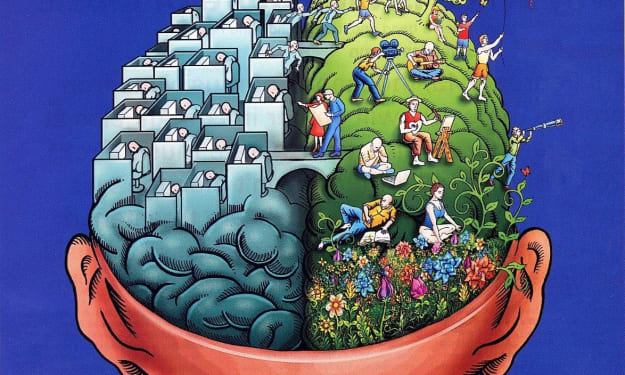
The Most Important Psychological Facts
Number 1 - If We Have A Plan B, Our Plan A Is Less Likely to WorkScientists at the University of Pennsylvania studied the performance of volunteers on a certain task and found that participants who thought about a backup plan did worse than those who didn't. They also found that their motivation decreased when participants realized they had other options. This is related to Expectancy Theory, which was developed by Victor H. Vroom in 1964. Expectancy theory basically states that your motivation for something is a function of
By Asante Gina3 years ago in Humans
How I Achieved Faster Hair Growth in 6 Months: A Personal Journey
How I Achieved Faster Hair Growth in 6 Months: A Personal Journey Introduction: Are you tired of waiting for your hair to grow at a snail's pace? Do you dream of long, luscious locks but feel like your hair just won't cooperate? I used to feel the same way until I discovered a set of simple and effective techniques that helped me accelerate my hair growth journey. In this article, I will share my personal experience and hand-picked tips on how I managed to achieve faster hair growth in just six months. While everyone's hair growth journey is unique, I hope that these strategies can inspire and help others seeking similar results. 1. Nourish Your Body: A healthy body leads to healthy hair. I prioritized a balanced diet rich in vitamins, minerals, and protein to fuel my hair growth. Foods like eggs, fish, nuts, leafy greens, and fruits provided essential nutrients, promoting strong and faster hair growth from the inside out. 2. Stay Hydrated: Drinking an adequate amount of water is crucial for overall health, and it plays a significant role in hair growth too. Proper hydration keeps the scalp and hair follicles nourished, resulting in healthier and faster-growing hair. 3. Regular Scalp Massages: I incorporated scalp massages into my daily routine using essential oils like coconut, jojoba, or almond oil. Massaging the scalp enhances blood circulation, stimulating hair follicles, and promoting faster hair growth. 4. Trimming Regularly: Contrary to popular belief, regular trims actually encourage hair growth. Trimming split ends prevents them from traveling up the hair shaft, leading to healthier and longer hair over time. 5. Choose the Right Haircare Products: Using gentle, sulfate-free shampoos and conditioners is essential for maintaining the health of your hair. Avoiding harsh chemicals allowed my hair to retain its natural oils, preventing unnecessary damage and promoting faster growth. 6. Avoid Excessive Heat Styling: Limiting the use of heat styling tools, such as blow dryers, straighteners, and curling irons, can prevent hair damage and breakage. Air-drying and using heat protectants when necessary helped protect my hair from unnecessary stress. 7. Minimize Stress: Stress can lead to hair loss and hinder hair growth. Practicing stress-reducing activities, like yoga, meditation, or spending time in nature, helped me manage stress levels and positively impact my hair growth journey. 8. Supplement with Biotin: I consulted a healthcare professional and incorporated a biotin supplement into my daily routine. Biotin, also known as vitamin B7, promotes healthy hair, skin, and nails, and it was a beneficial addition to my hair growth regimen. Conclusion: Growing my hair faster in just six months was an empowering and fulfilling experience. By implementing these hand-picked tips into my daily routine, I witnessed visible improvements in the health and length of my hair. Remember, patience and consistency are key when it comes to hair growth. While results may vary for each individual, following a healthy lifestyle and caring for your hair can pave the way to achieve your desired hair goals. So, if you dream of long, beautiful tresses, start implementing these strategies today and watch your hair flourish!
By Online Tips3 years ago in Humans
How I Saved My Hair from Hydrochlorothiazide with Red Light Therapy
I have always had thick and shiny hair that I was proud of. I loved to style it in different ways and experiment with different colors and products. My hair was one of my best features, and I never imagined that I would lose it.
By Healthy Fun3 years ago in Humans
The Importance of Start
In the journey of life, we often encounter moments of joy and despair, success and failure, all of which seem to be shaped by a mysterious force beyond our understanding. While some attribute these outcomes to luck or fate, there is a compelling notion that our reality is profoundly influenced by the way we start and the attitudes and thoughts we hold. This article explores the significance of beginnings and how they can set the trajectory of our lives, leading us down two distinct paths - one of abundance and positivity, and the other of scarcity and negativity.
By George Dion3 years ago in Humans
Does Brushing Your Hair Stimulate Growth? The Truth Behind the Myth
I have always had thick and shiny hair, ever since I was a little girl. I loved to style it in different ways, from braids to buns to curls. I got compliments on my hair all the time, and it was one of my favorite features.
By Health First3 years ago in Humans
Nurturing Your Inner Harmony: The Art of Prioritizing Mental Health through Stress Management and Self-Care
Introduction In today's fast-paced world, it's easy to get caught up in the hustle and bustle of everyday life, neglecting our mental well-being in the process. Stress has become an inevitable part of modern living, and as a result, mental health issues are on the rise. However, with the right knowledge and tools, we can proactively manage stress and embrace self-care to prioritize our mental health. This article aims to provide valuable insights and practical tips to help you navigate the challenges of daily life while fostering a healthy and positive mindset. Understanding Stress and Its Impact Stress is a natural response to the demands and pressures we face in our personal and professional lives. In small doses, stress can be motivating and help us perform better. However, chronic stress can take a toll on our mental and physical well-being, leading to anxiety, depression, and other serious health issues. Recognizing the signs of stress is the first step towards managing it effectively. Identifying Stress Triggers Each individual's stress triggers can vary, so it's essential to identify what specifically causes you to feel overwhelmed. Common stress triggers may include work deadlines, relationship issues, financial concerns, and health worries. Once you identify these triggers, you can work on implementing targeted strategies to address them and reduce their impact on your mental health. The Power of Self-Care Self-care is not a luxury; it is a necessity for maintaining mental balance and overall well-being. It involves intentionally setting aside time to focus on activities that rejuvenate and nurture your mind, body, and soul. Engaging in self-care practices can reduce stress, improve mood, and increase resilience. Embracing Self-Care Practices 1. Mindfulness Meditation: Practice mindfulness meditation to bring your focus to the present moment, promoting relaxation and reducing stress. 2. Regular Exercise: Engage in physical activities that you enjoy, such as walking, yoga, or dancing, as exercise releases endorphins, the "feel-good" hormones. 3. Healthy Eating: Nourish your body with a balanced diet rich in fruits, vegetables, whole grains, and lean proteins, as nutrition plays a crucial role in mental health. 4. Quality Sleep: Prioritize getting adequate sleep, as it allows your mind and body to rejuvenate and cope better with daily challenges. 5. Hobbies and Interests: Pursue hobbies and interests that bring joy and fulfillment, providing an escape from daily stressors. 6. Social Connections: Cultivate meaningful relationships and spend time with loved ones, as social support is vital for mental well-being. Managing Stress in the Workplace Work-related stress is a common issue for many individuals, impacting productivity and overall job satisfaction. Here are some strategies to manage stress in the workplace effectively: 1. Time Management: Prioritize tasks, set realistic deadlines, and avoid overcommitting to reduce work-related stress. 2. Boundaries: Set clear boundaries between work and personal life to prevent burnout and maintain a healthy work-life balance. 3. Seek Support: Communicate with colleagues or supervisors if you feel overwhelmed, and explore potential solutions together. 4. Breaks: Take short breaks during the workday to relax and recharge, boosting focus and productivity. 5. Mindful Breathing: Practice deep breathing exercises when feeling stressed at work to promote calmness and clarity. Overcoming Barriers to Self-Care While self-care is essential, many people struggle to prioritize it due to various barriers. Common obstacles include time constraints, guilt, or societal pressure. Overcoming these barriers requires a shift in mindset and intentional efforts to make self-care a non-negotiable part of your routine. Seeking Professional Help If stress and mental health challenges become overwhelming, seeking professional help is a proactive step towards healing. Mental health professionals, such as therapists, counselors, or psychiatrists, can provide guidance, support, and treatment tailored to your specific needs. Conclusion Prioritizing mental health is crucial for living a fulfilling and balanced life. By managing stress and embracing self-care, we can build resilience and cope effectively with the challenges that come our way. Remember that each individual's journey towards mental well-being is unique, so be patient and compassionate with yourself as you navigate this path. Embrace the power of self-care, seek support when needed, and make your mental health a priority - your overall well-being will thank you for it.
By Online Tips3 years ago in Humans
Unravelling Human Uniqueness: The Enigma of Our Genetic Identity
Introduction: In the quest to define what makes us human, we have explored various aspects of our existence, from our behaviours and cultures to our thoughts and inventions. Yet, the most profound answers may lie hidden within the blueprint of our very being - our DNA. Thanks to brilliant.org's support for PBS, we embark on an exciting journey to delve into the captivating world of genetics and unveil the elusive genetic differences that set us apart from our closest non-human relatives, the chimpanzees.
By Rohit Singh3 years ago in Humans
The Enigmatic Evolution of Giraffe's Neck: Unravelling the 'Necks for Sex' Hypothesis
The giraffe, an elegant and enigmatic creature, has long been the subject of fascination and intrigue among both scientists and nature enthusiasts. Its most distinctive feature, the extraordinarily long neck, has sparked numerous debates and discussions about its origin and purpose. Throughout history, different theories and hypotheses have attempted to explain the evolution of the giraffe's neck, with each new discovery adding to the complexity of the puzzle.
By Rohit Singh3 years ago in Humans