advice
Dating, married, single, divorced, and more. Advice on the relationships you have in life. Dear, Humans..
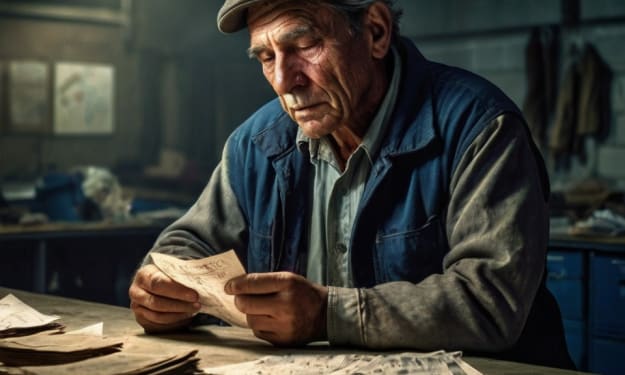
The 2025 Seniors' Guide to the Internet: From Staying Healthy to Having Fun
Nancy, my brother’s mother-in-law, used to say the internet “wasn’t for people like her.” At 68, she’d spent most of her adult life raising three children, managing a small antique shop in Norwich, and clipping recipes from old magazines. Her phone was mostly for calls, and her laptop sat untouched in a drawer for years — a retirement gift from her daughter that she never really asked for.
By Verity Ellinghamabout a year ago in Humans
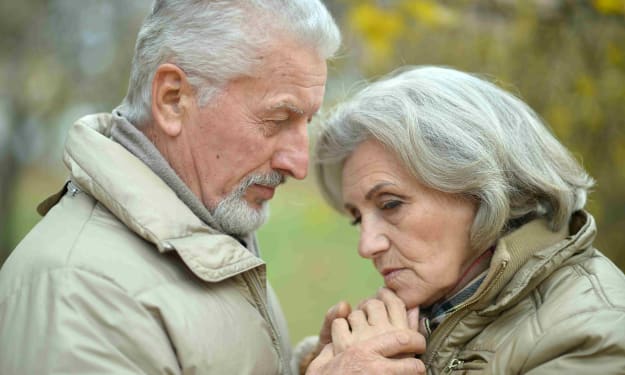
How a 62-Year-Old Found Connection Online in 2025
When Patricia turned 62, her life had already seen many seasons. After more than 30 years of marriage, raising children, and focusing on her career, she suddenly found herself alone again. Her husband had passed several years ago, and while her children were grown and independent, the quiet of her home felt heavier than ever. Patricia often told me during our dog-walking sessions in the neighborhood park, “It’s not just about loneliness, it’s about missing companionship — someone who gets me, who shares the little moments.”
By Verity Ellinghamabout a year ago in Humans
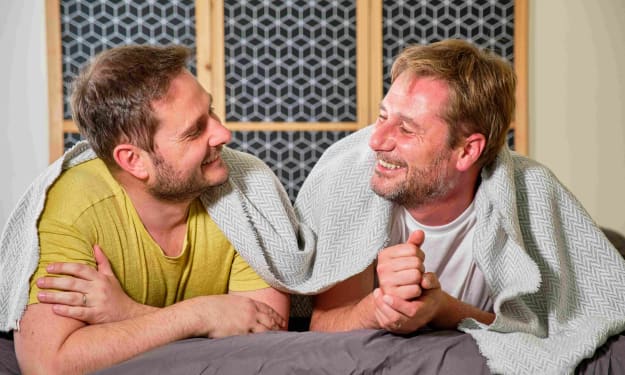
Mature Gay Dating in 2026: Finding Love, Companionship, and Community After 50
When I first began researching online communities as a freelance writer and cultural researcher, I wasn’t just looking at numbers or trends. I wanted to understand how people — real people — were finding connection, love, and companionship in a world that often feels more disconnected than ever. During my studies, I kept coming across one particular group that, despite being vibrant, experienced, and deeply interesting, seemed to have fewer platforms truly catering to their needs: mature gay men.
By Sylvie Quinnabout a year ago in Humans
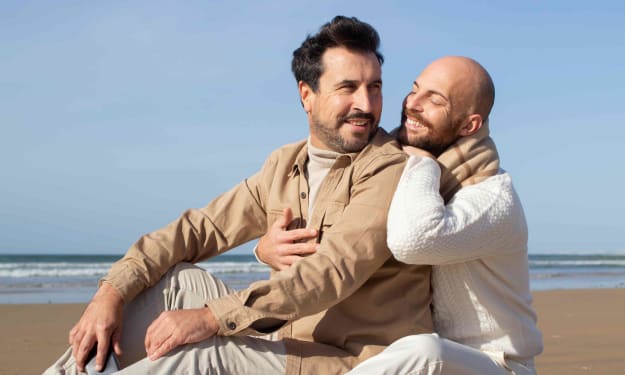
Where Mature Gay Men Can Find Dating in 2026. AI-Generated.
When I first began researching online communities as a freelance writer and cultural researcher, I wasn’t just looking at numbers or trends. I wanted to understand how people — real people — were finding connection, love, and companionship in a world that often feels more disconnected than ever.
By Sylvie Quinnabout a year ago in Humans
🌅 The Morning Routine That Finally Worked for Me
The Struggle Before Sunrise For years, I told myself I just wasn’t a morning person. I would hit snooze three or four times, roll out of bed late, and then rush into my day with half-open eyes and a racing heart. My mornings started with panic—running behind, skipping breakfast, scrolling my phone, and gulping down coffee as if it could fix the chaos in my head.
By Dadullah Danishabout a year ago in Humans
Mind’s Edge
I’ve always wondered what it feels like to stand at the edge—not the edge of a cliff, or a building, but the edge of your own mind. That strange place where thoughts pile up like runaway trains, where decisions feel heavier than gravity, and where every “what if” spins into a thousand “why nots.” For me, that edge wasn’t built overnight. It crept in slowly, like fog rolling into a city, quiet but relentless. At first, it was just small things: forgetting why I entered a room, losing track of conversations, or staring at a blank page for hours because my thoughts refused to cooperate. The Day Everything Cracked It happened one Tuesday, a day I will never forget. I had an important presentation at work. Hours of preparation, endless slides, rehearsed lines—I was ready. Or so I thought. As soon as I stepped in front of the room, my mind betrayed me. Blank. Every word I had memorized vanished like smoke. My hands trembled. My heart raced like a drumline on steroids. I could feel my colleagues’ eyes on me, but they weren’t judging—they were waiting. Waiting for me to falter. And falter I did. I stumbled through my speech, skipped slides, and mumbled conclusions that made no sense. When it was over, I felt hollow, like my brain had leaked out and left only a fragile shell. That night, I sat alone in my apartment, staring at the ceiling, wondering: Am I losing it? Understanding the Edge The mind’s edge isn’t just stress, or anxiety, or burnout. It’s a peculiar combination of all three, amplified by self-doubt and fear. It’s when your own thoughts feel like both allies and enemies, when the brain races so fast you can’t catch up, but also hesitates so long you fall behind. I learned that everyone has their own edge, though few talk about it. Some hide behind humor, some drown in busyness, and some—like me—sit silently, feeling as if the world is moving in slow motion while your mind runs laps around it. The Unlikely Savior For me, the breakthrough came in the form of a stranger’s words. I was walking in the park, a mess of frustration and self-doubt, when an elderly man feeding birds noticed me pacing like a trapped animal. “Mind racing too fast?” he asked, almost rhetorically. I laughed nervously, “Something like that.” He smiled, gentle and knowing. “You’re standing on the edge,” he said. “You can either fall or step back. But first, you have to breathe. Your mind isn’t broken. It’s awake.” It was a simple statement, but it hit me like a splash of cold water. The edge wasn’t a place of failure—it was a signal. My brain wasn’t broken. It was asking for attention, care, and structure. Learning to Step Back After that day, I began experimenting with small things. Meditation, journaling, walking without my phone, even talking openly with friends about what I was feeling. At first, it felt absurd. How could simple breathing or writing reduce the chaos of my racing thoughts? But it did. Slowly, I learned to step back from the cliff of my own mind. I began noticing triggers, patterns, and the subtle ways I pushed myself too hard. I accepted that some days would feel like a storm, and some like a calm lake, and both were necessary. The Edge Becomes a Tool Ironically, the edge that once terrified me became a source of creativity. I started writing stories about my experiences, turning anxiety into insight. Ideas flowed faster than ever because I had learned to surf the waves rather than fight them. I realized that the edge isn’t a place to fear—it’s where the mind stretches, grows, and discovers its limits. The edge taught me patience, empathy, and resilience. It taught me to slow down, speak openly about struggles, and seek help without shame. And most importantly, it reminded me that even when the mind feels like it’s about to unravel, there’s always a way back to solid ground. Final Thought The mind’s edge isn’t a curse. It’s a challenge, a call to listen, to pause, and to step gently. It’s proof that our brains are alive, unpredictable, and capable of both chaos and brilliance. So if you feel your thoughts spiraling, your decisions paralyzed, or your confidence shaken, remember this: the edge is not a place to fear. It’s a place to learn, adapt, and eventually soar. Stand there, breathe, and watch how far you can go. Because the mind, even on its wildest edge, can teach you more than comfort ever will.
By LUNA EDITHabout a year ago in Humans
Leo Woman and Cancer Man Compatibility Score. AI-Generated.
The relationship between a Leo woman and a Cancer man is one of contrasts, but also one of deep emotional and romantic potential. Leo, ruled by the Sun, is fiery, radiant, and loves to shine in the spotlight. Cancer, ruled by the Moon, is nurturing, sensitive, and protective of the people he loves. Together, this pair can create a beautiful dynamic where warmth meets tenderness, but they will also need to balance their differences to avoid misunderstandings.
By Inspire and Funabout a year ago in Humans