
Kyle Busch and the Emotional Cost of Racing Greatness
Racing is more than speed, engines, and trophies. For many drivers, it becomes a lifelong emotional battle filled with pressure, criticism, sacrifice, and relentless competition.

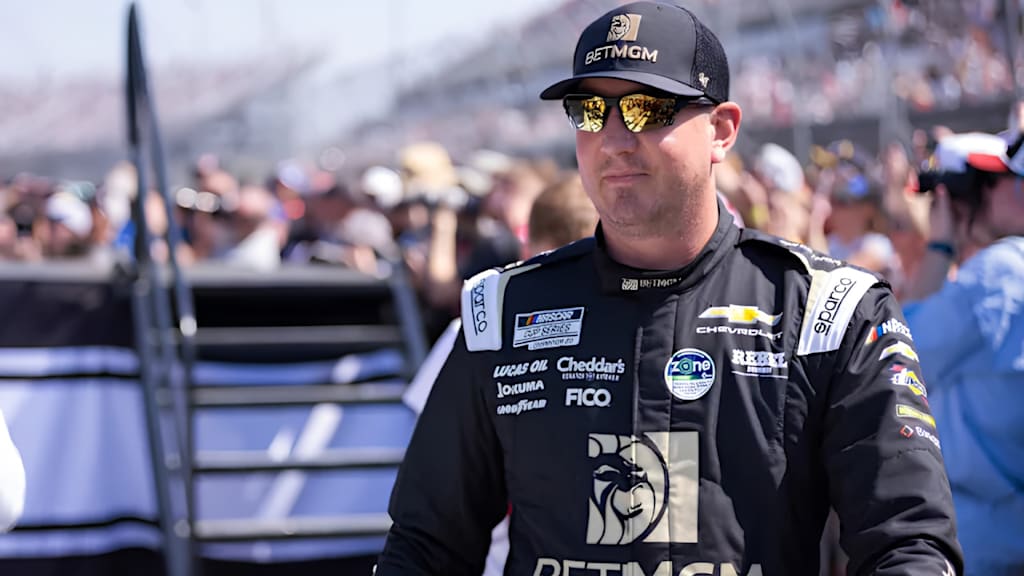
Racing is more than speed, engines, and trophies. For many drivers, it becomes a lifelong emotional battle filled with pressure, criticism, sacrifice, and relentless competition. That is one reason why the name “kyle busch” continues attracting attention from racing fans across generations. Kyle Busch built a reputation as one of the most talented and controversial drivers in modern NASCAR history. Some fans admire his confidence and aggressive driving style. Others criticize his intensity and emotional reactions during difficult moments. But regardless of opinion, few people deny his influence on the sport. His story reflects something deeper than racing statistics alone.
Why Kyle Busch Became One of NASCAR’s Biggest Names
Talent Appeared Early
Kyle Busch showed racing ability at a very young age.
His aggressive style immediately separated him from many competitors.
NASCAR Fans Notice Personality Quickly
Racing fans often connect strongly to drivers with visible emotion and confidence.
Kyle Busch never appeared afraid of public attention.
Why Fans Have Strong Opinions About Kyle Busch
Confidence Creates Divided Reactions
Some fans respect confident athletes deeply.
Others prefer quieter personalities.
Emotional Reactions Made Headlines
Kyle Busch became known for showing frustration openly after disappointing races.
That honesty made him unforgettable.
The Emotional Reality of Competitive Racing
Racing Creates Constant Pressure
Every race involves risk, strategy, and emotional intensity.
One Mistake Can Change Everything
Drivers understand that a small error may destroy an entire race instantly.
Example of Emotional Pressure in NASCAR
Imagine spending hours preparing mentally and physically for a race only to crash near the finish line after one tiny mistake.
That emotional disappointment can feel overwhelming.
Why Aggressive Drivers Attract Attention
Fans Remember Emotional Competitors
Athletes who show passion often create stronger emotional reactions from audiences.
Aggression Creates Drama
Racing becomes more emotionally exciting when drivers compete fearlessly.
Kyle Busch and the Weight of Expectations
Winning Creates New Pressure
Successful drivers are expected to perform constantly.
Fans Demand Consistency
Public expectations become emotionally exhausting over time.
The Relationship Between Confidence and Criticism
Confident Athletes Receive More Attention
Strong personalities naturally attract praise and criticism equally.
Public Pressure Never Fully Stops
Popular athletes often face constant online discussion and judgment.
Example of Public Criticism
A driver may finish second after a difficult race but still face criticism because fans expected victory.
That emotional pressure becomes part of professional sports.
Why NASCAR Fans Feel Deep Emotional Connections
Racing Builds Loyalty
Fans often support drivers for decades.
Emotional Investment Grows Over Time
Victories and losses begin feeling personal to loyal supporters.
Kyle Busch Changed NASCAR Conversations
He Brought Intensity to Every Race
Fans rarely ignored his presence on the track.
Emotional Energy Increased Attention
People watched because they expected strong reactions and competitive moments.
The Emotional Difference Between Winning and Losing
Victory Creates Relief
Winning often feels emotional after weeks of pressure and preparation.
Losing Creates Frustration
Drivers replay mistakes mentally long after races end.
Example of Emotional Recovery
A difficult race weekend may affect a driver emotionally for days afterward even if fans move on quickly.
Athletes carry those moments privately.
Why NASCAR Requires Mental Strength
Racing Is Not Only Physical
Drivers constantly make split-second decisions under pressure.
Focus Matters Every Second
One distraction can create dangerous consequences.
Kyle Busch and Competitive Consistency
Longevity Matters in Racing
Remaining competitive for years requires emotional resilience.
Pressure Changes Over Time
Experienced drivers face different expectations than younger competitors.
Why Fans Respect Longevity
Consistency Feels Rare
Many talented drivers struggle maintaining success over long careers.
Experience Creates Emotional Depth
Veteran athletes often understand pressure differently than younger competitors.
Example of Career Evolution
A younger driver may race emotionally without patience.
Over time, experience changes decision-making and emotional control.
That evolution becomes part of professional growth.
NASCAR and Family Sacrifice
Racing Demands Constant Travel
Drivers spend significant time away from home.
Family Life Becomes Complicated
Balancing competition and personal relationships creates emotional challenges.
Why Emotional Authenticity Matters in Sports
Fans Connect to Real Emotion
Audiences often respect athletes who show genuine reactions.
Perfection Feels Distant
People connect more deeply with visible struggle and vulnerability.
Kyle Busch and Public Perception
Public Opinion Shifted Over Time
Some fans who once disliked him later gained respect for his honesty and career longevity.
Emotional Growth Changes Narratives
Athletes often evolve personally throughout their careers.
Example of Fan Perspective Changing
A fan may initially dislike an aggressive driver but later appreciate the emotional honesty and dedication behind that behavior.
Time changes perception.
The Mental Exhaustion of Competition
Constant Pressure Affects Emotional Health
Professional athletes rarely escape performance expectations.
Criticism Feels Personal
Public judgment often becomes emotionally draining over time.
Why NASCAR Fans Feel Passionate
Racing Creates Intense Emotional Moments
Close finishes and dramatic crashes create unforgettable experiences.
Drivers Become Emotional Symbols
Fans often see parts of themselves in favorite athletes.
Kyle Busch and the Importance of Rivalries
Rivalries Create Emotional Energy
Competition becomes more compelling when strong personalities clash.
Fans Enjoy Emotional Drama
Sports audiences often remember emotional conflicts longer than statistics.
Example of Racing Rivalries
Two aggressive drivers competing repeatedly may create emotional tension fans follow for years.
That drama keeps audiences emotionally invested.
Why Losing Feels So Difficult for Athletes
Competitors Expect Success From Themselves
Highly driven athletes often struggle emotionally with failure.
Public Defeat Feels Heavy
Millions of people watching mistakes creates emotional pressure.
The Emotional Isolation of Professional Sports
Public Success Can Feel Lonely
Athletes sometimes struggle emotionally despite fame and recognition.
Pressure Limits Normalcy
Constant expectations affect daily life and emotional balance.
Example of Emotional Burnout
A driver competing constantly without emotional rest may eventually feel exhausted mentally even while remaining successful publicly.
That burnout affects many athletes.
Why Kyle Busch Remains Relevant
Strong Personalities Stay Memorable
Fans continue discussing athletes who created emotional reactions.
Competitive Spirit Creates Legacy
People remember competitors who raced fearlessly.
NASCAR and Emotional Identity
Drivers Become Part of Fan Memories
Fans connect races to personal stages of life.
Sports Create Shared Emotional Experiences
Families and friends often bond through watching races together.
Example of Family Connection
Someone watching NASCAR with parents during childhood may continue supporting the same driver emotionally for decades.
That connection feels deeply personal.
Why Confidence Matters in Racing
Hesitation Creates Risk
Drivers must trust decisions instantly under pressure.
Confidence Affects Performance
Belief in ability helps athletes compete aggressively.
Kyle Busch and Emotional Intensity
Passion Fueled His Career
His emotional reactions reflected deep investment in performance.
Fans Felt Those Emotions Too
Strong reactions created emotional engagement among audiences.
Why NASCAR Continues Attracting Loyal Fans
Racing Combines Skill and Emotion
Fans appreciate both technical ability and emotional storytelling.
Drivers Feel Human
Visible frustration, excitement, and relief make athletes relatable.
Example of Emotional Victory
A hard-earned win after weeks of disappointment often creates emotional celebration because fans understand the struggle behind success.
The Emotional Cost of Public Competition
Athletes Live Under Constant Observation
Every performance receives public discussion.
Mistakes Become Headlines
Professional sports leave little room for emotional privacy.
Why Legacy Matters to Athletes
Careers Eventually End
Many competitors think deeply about how fans will remember them.
Emotional Impact Lasts Longer Than Statistics
People remember personalities and emotional moments as much as victories.
Kyle Busch and NASCAR History
His Career Shaped Modern Racing Conversations
Love him or criticize him, fans rarely ignored him.
Emotional Presence Made Him Stand Out
Passion created strong audience reactions across generations.
Example of Lasting Influence
Younger NASCAR drivers often grow up watching emotionally intense competitors and later bring similar energy into the sport themselves.
That influence continues across generations.
Why Fans Continue Following Kyle Busch
Emotional Connection Feels Strong
Longtime supporters feel personally invested in his career journey.
Experience Creates Respect
Years of competition build appreciation even among former critics.
The Emotional Reality Behind Great Athletes
Success Often Hides Sacrifice
Fans see trophies and victories more easily than emotional struggles.
Pressure Never Fully Disappears
Even experienced athletes continue feeling expectations intensely.
Why Sports Matter Emotionally
Fans See Reflection in Competition
Sports often mirror struggle, determination, and resilience.
Emotional Moments Create Lasting Memories
People remember how sports made them feel during meaningful life moments.
Example of Shared Emotion
A family celebrating a favorite driver’s victory together may remember that emotional moment for years afterward.
That connection gives sports deeper meaning.
Final Thoughts
Kyle Busch remains one of the most emotionally compelling figures in modern NASCAR because his career reflects both extraordinary talent and visible human emotion.
For many fans searching “kyle busch,” the interest goes beyond racing results alone.
People remain fascinated by his intensity, confidence, competitive spirit, and emotional honesty during both victories and difficult moments.
His story represents something larger than sports statistics.
It reflects the emotional cost of competition, the pressure of public expectations, and the reality that even successful athletes carry frustration, doubt, exhaustion, and personal sacrifice behind the scenes.
About the Creator
Muqadas khan
Hi! Welcome to my Vocal page. I’ll be sharing fresh articles every day covering stories, ideas, and a bit of inspiration to brighten your feed. Thanks for reading and supporting daily writing! 📖💫
Enjoyed the story? Support the Creator.
Subscribe for free to receive all their stories in your feed.
Comments
There are no comments for this story
Be the first to respond and start the conversation.