
How Fast Could Russia Win a War With Ukraine?
Why Speed, Power, and Reality Don’t Always Match in Modern Wars Since the start of the Russia–Ukraine conflict, one of the most common questions asked by observers is: How fast could Russia win? On paper, Russia appears far stronger. It has a larger population, a bigger economy, more weapons, and a long military tradition. Yet modern wars are not decided by size alone. Speed in warfare depends on politics, morale, technology, alliances, geography, and international response. This article explains why a quick victory is difficult to define—and why predictions often fail.

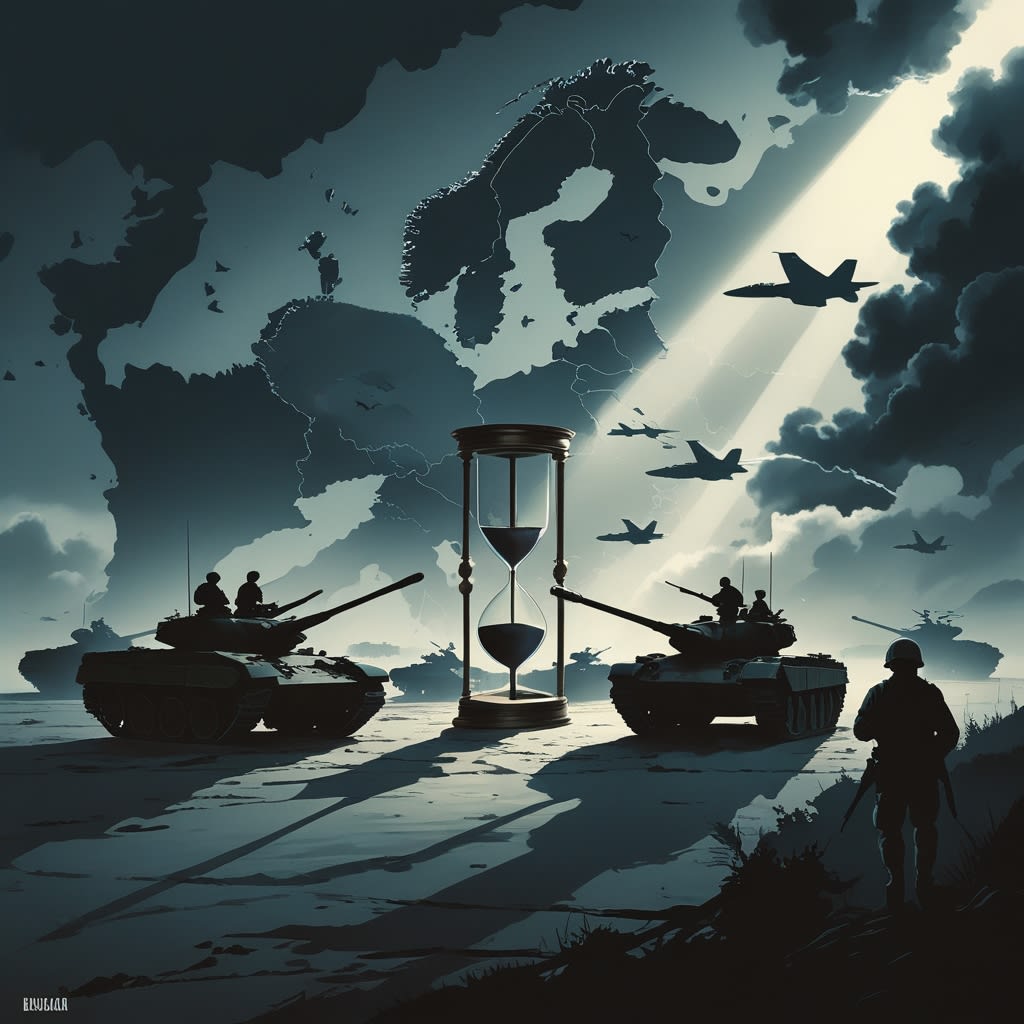
Understanding “Winning” in a Modern War Before discussing speed, we must define what winning means. In modern conflicts, victory can mean very different things: Full territorial control Regime change Military dominance without occupation
Political concessions Long-term weakening of the opponent Each definition changes the timeline. A limited military goal may appear “fast,” while total control could take years—or may never be achieved.
Russia’s Advantages on Paper Russia has several clear strengths
that suggest it could act quickly under ideal conditions. Military Size and Resources Russia fields a large military with extensive equipment, including armor, artillery, missiles, aircraft, and naval forces. It also has domestic arms production and large stockpiles, which can support long campaigns.
Strategic Depth Russia’s geography provides depth and logistical advantages on its own territory, reducing vulnerability at home compared to countries with smaller borders. Centralized Decision-Making Highly centralized command structures can, in theory, enable faster decision-making at the top level, allowing rapid shifts in policy or posture.
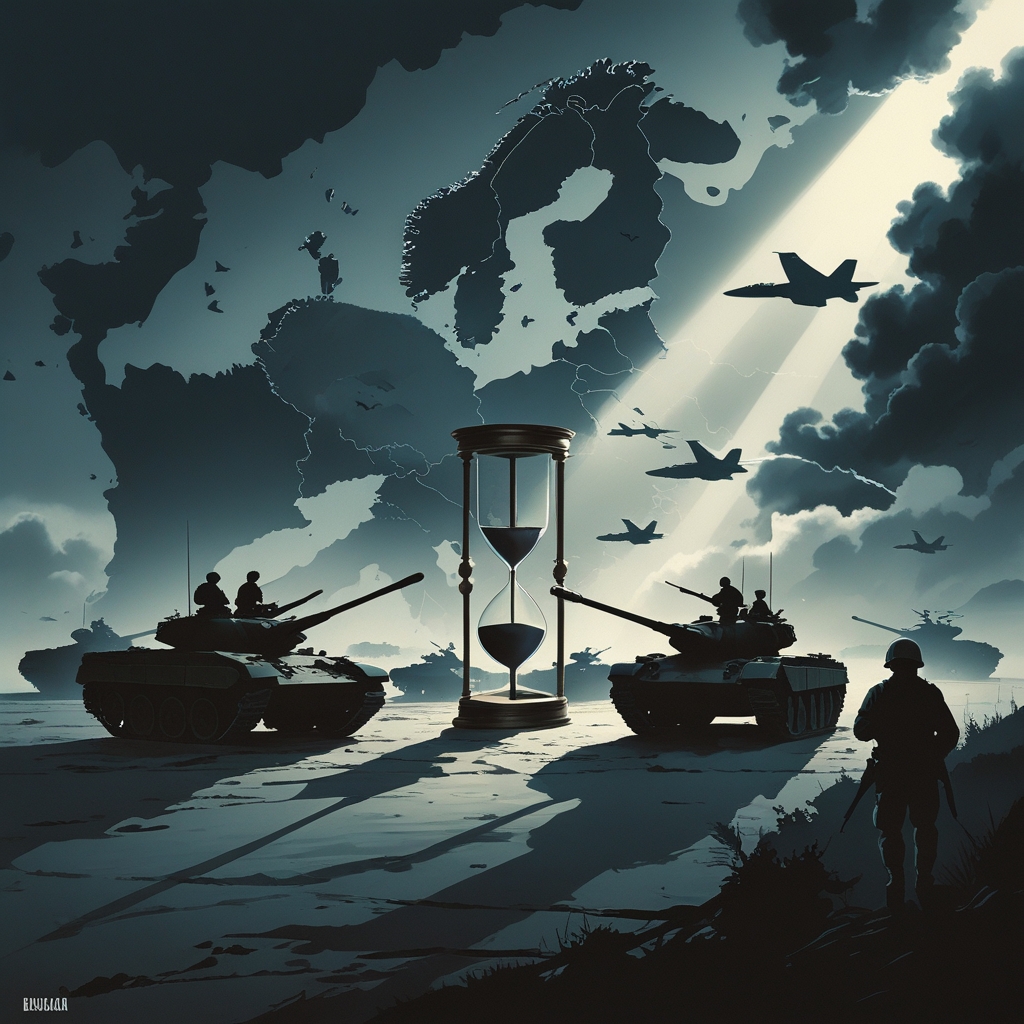
Ukraine’s Strengths That Slow Any “Quick Win” Despite being smaller, Ukraine has key advantages that complicate any rapid victory. National Mobilization and Morale Ukraine’s defense has been characterized by strong public support and national mobilization. High morale and a population willing to resist can slow even much stronger forces. Territorial Defense Defending territory is often easier than attacking it. Urban areas, local knowledge, and defensive preparations can significantly reduce the attacker’s speed.
Adaptation and Learning Modern conflicts evolve quickly. Forces that adapt, innovate, and learn from early mistakes can blunt initial advantages of a larger power. International Support and Its Impact on Speed One of the most important factors affecting speed is external involvement. Economic and Diplomatic Pressure Sanctions, trade restrictions, and diplomatic isolation can weaken an economy over time, reducing the resources available for prolonged military operations.
Material and Financial Assistance External assistance to Ukraine—such as financial aid, training, and equipment—changes the balance. Even limited support can increase resistance and extend timelines. Information and Global Opinion International scrutiny affects political choices. Actions that provoke stronger global reactions can limit options and slow progress. Geography and Logistics: The Hidden Time Factor Wars are not fought on maps but on real terrain. Urban Areas Cities slow advances dramatically. Street-by-street fighting increases costs, casualties, and time, regardless of technological advantage. Supply Lines
Maintaining fuel, food, repairs, and communication across contested territory is difficult. Logistics failures often decide the pace of war more than battlefield success. Season and Weather Weather conditions, terrain, and seasons can all affect mobility and operational tempo, adding delays that no planning can fully eliminate.
Technology Does Not Guarantee Speed Advanced weapons can shape battles, but they do not automatically shorten wars. Precision systems require intelligence and coordination Technology must be maintained and integrated Opponents adapt quickly to new threats History shows that technological superiority often brings initial momentum, followed by longer stalemates. Political Constraints on Military Speed Wars are fought under political limits.
Domestic Considerations Public opinion, economic stability, and internal politics influence how far and how fast leaders can go. Risk of Escalation
Avoiding wider conflict can impose self-restraint. Decisions made to prevent escalation may slow operations. Negotiation Windows Periods of negotiation, ceasefires, or diplomatic engagement can pause or reshape military action, affecting timelines.
Why Early Predictions Often Fail At the start of many wars, analysts predict quick outcomes. History shows these predictions are usually wrong. Conflicts reveal unexpected resistance Leaders misjudge morale and resolve
External actors change the balance Long-term costs outweigh short-term gains Speed in war is rarely linear. Fast beginnings often lead to long endings. Possible Scenarios and Timeframes (Without Numbers) Rather than exact timelines, it is more realistic to think in scenarios: Limited Objectives: Faster outcomes are possible if goals are narrow and resistance is reduced.
Extended Conflict: Sustained resistance and international involvement lengthen timelines significantly. Frozen or Unresolved Conflict: Some wars do not end clearly and instead settle into long-term tension. Each scenario depends on decisions made far beyond the battlefield. The Human and Economic Cost of “Speed” Pursuing speed can increase costs:
Civilian suffering Infrastructure damage Long-term economic loss Lasting political consequences These costs can undermine any short-term military success and reshape what “winning” actually means.
Conclusion The question of how fast Russia could win a war with Ukraine has no simple answer. Military strength alone does not determine speed or success. Morale, international involvement, logistics, political limits, and human resilience all shape outcomes. Modern wars tend to be longer, more complex, and more unpredictable than expected. Rather than asking how fast a war can be won, a more meaningful question may be: At what cost, and with what long-term consequences? History suggests that quick victories are rare—and lasting peace is even harder to achieve.
About the Creator
Say the truth
"Say the Truth: Explain Everything in the World" is your trusted source for uncovering facts and exploring the wonders of history, science, technology, and beyond. We simplify complex ideas and reveal truths to inspire curiosity .
Enjoyed the story? Support the Creator.
Subscribe for free to receive all their stories in your feed.
Comments
There are no comments for this story
Be the first to respond and start the conversation.