
FIFA's controversial hydration
breaks face backlash
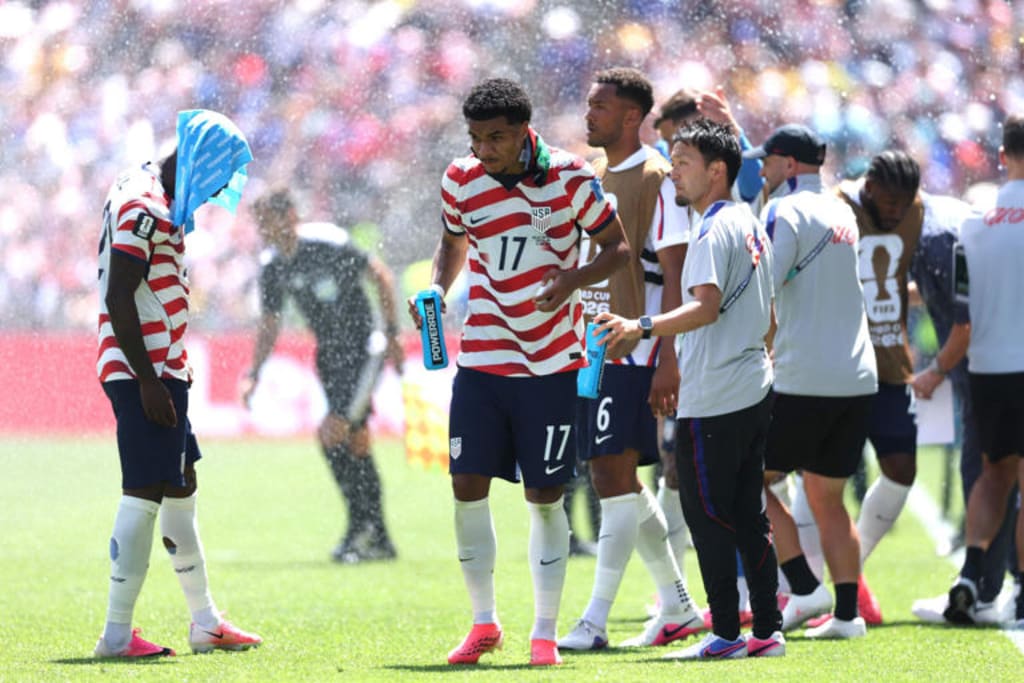
FIFA's new mandatory hydration breaks were introduced to protect players from extreme heat. Instead, they've sparked boos in stadiums, fury from fans, and sharp criticism from some of football's biggest names. So what's actually going on, and why do so many people suspect this is less about player safety and more about money?
For the first time in World Cup history, FIFA has made hydration breaks mandatory in every single one of the tournament's 104 matches — not just when conditions are dangerously hot. Every match, no exceptions.
The breaks happen twice per game: once around the 22nd minute, and again around the 67th. Three minutes, every half, regardless of temperature, regardless of whether the stadium has a roof and air conditioning.
FIFA's stated reasoning is player welfare. This summer's tournament, co-hosted across the United States, Mexico, and Canada, is expected to be one of the hottest in World Cup history, with temperatures climbing past 90°F in several host cities. The federation says the rule is meant to ensure equal conditions for every team in every match, drawing on lessons from last year's Club World Cup, where heat conditions were genuinely dangerous for some players. Chelsea and Argentina midfielder Enzo Fernández said at the time that he felt dizzy playing in what he described as very dangerous conditions.
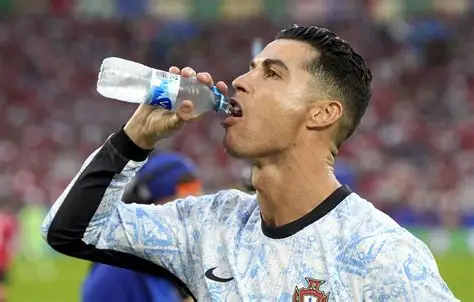
The issue isn't that hydration breaks exist — it's that they're mandatory for every match, no matter the weather. Cool, breezy day in a climate-controlled dome? Doesn't matter. The whistle still blows at minute 22.
One of the most talked-about moments of the tournament came in Houston, when Curaçao — the smallest nation by population ever to qualify for a World Cup — scored a stunning equalizer against four-time champions Germany to level the match 1-1. The stadium was electric, and a genuine upset looked possible.
Curaçao lost all of that momentum. Germany came out of the stoppage, scored twice before halftime, and the match finished 7-1. Former England striker Alan Shearer summed it up on The Rest Is Football podcast, saying he felt sorry for Curaçao — they'd barely had thirty seconds to enjoy the goal before the game stopped and killed their momentum entirely.
It wasn't an isolated incident. In Mexico's tournament opener, a hydration break landed right after Raúl Jiménez scored, disrupting the hosts' rhythm and leading to a choppy, scrappy final twenty minutes.
This is the core complaint from football purists: the sport has always been built on two uninterrupted 45-minute halves. With two mandatory stoppages now built in, critics say it's starting to resemble American sports built around quarters and timeouts. France manager Didier Deschamps put it simply — it's almost four quarters now, when before it was just two halves.
FIFA has given broadcasters the green light to air commercials during these breaks, with guidance on exactly when ads should start and end around the stoppage. Some broadcasters go full split-screen, showing players drinking water in a small box while the rest of the screen runs ads. Others cut away entirely.
That's led plenty of fans to ask the obvious question: is this about hydration, or is it a disguised TV timeout? Dutch international Virgil van Dijk admitted as much after a match played inside an air-conditioned dome in Texas, saying it didn't sit right with him watching broadcasts cut to commercial during every break.
Even Deschamps, who genuinely likes the tactical opportunity the breaks give him, admitted the three minutes interrupt everything and teams just have to adapt — before adding, almost sarcastically, that at least the broadcasters are happy. That one line captures the entire controvesial.
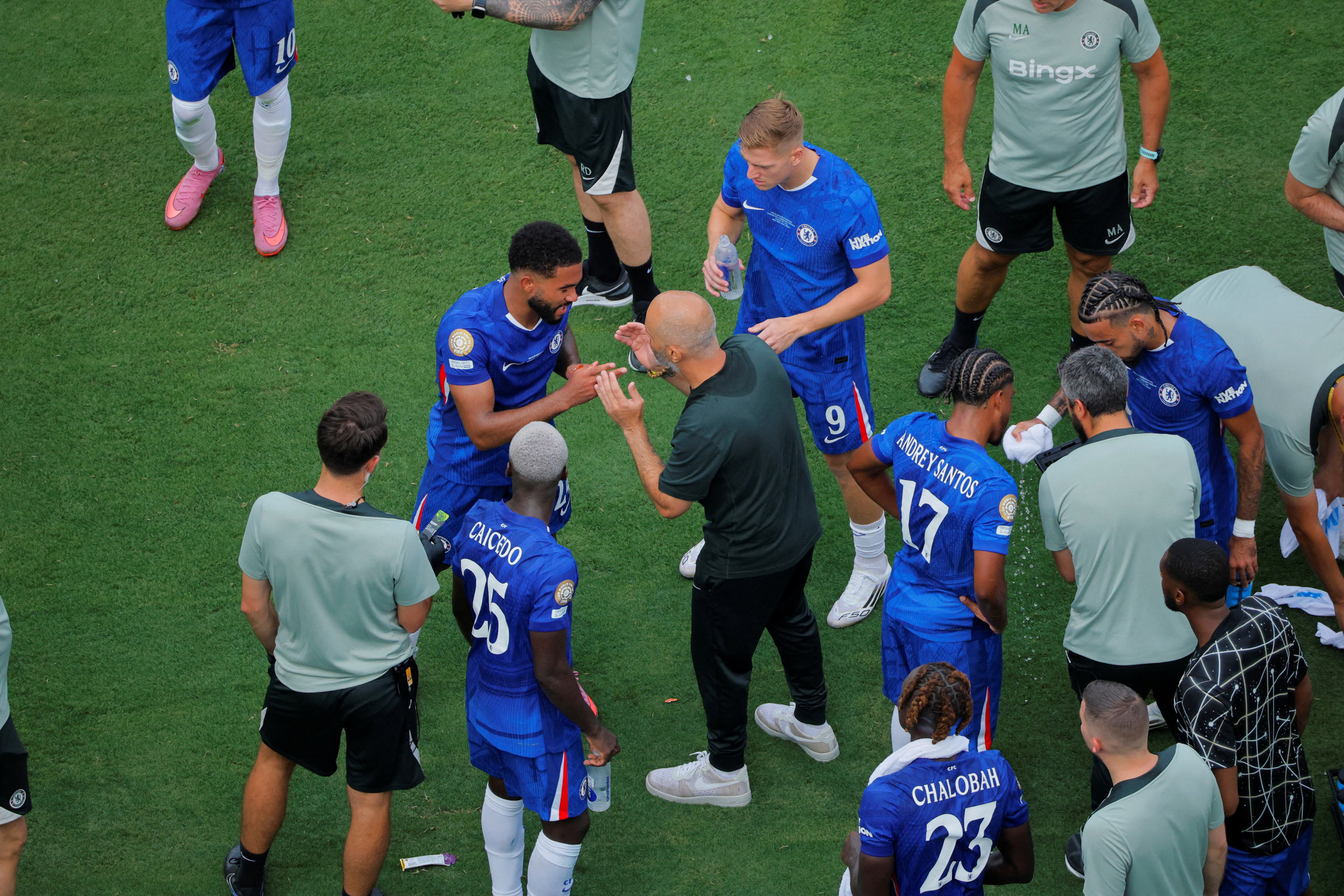
Some coaches have leaned into it. USMNT boss Mauricio Pochettino went viral before the tournament for gathering his players around a laptop during a hydration break in a pre-tournament friendly, effectively turning it into a free mid-half tactical timeout. Deschamps does something similar, using the break to pull players in and adjust tactics based on what just happened.
But plenty of others think the rule is unnecessary outside of genuinely extreme heat. Norway coach Ståle Solbakken said plainly that he isn't a fan of it and considers it unnecessary in normal conditions. Pochettino himself, despite using the breaks tactically, has said he only likes the rule when conditions are truly extreme — when conditions are good, he says, it's simply unnecessary. Spain boss Luis de la Fuente offered a similar take ahead of facing Cape Verde: useful in extreme heat, pointless otherwise.
So nearly every coach agrees the concept makes sense during genuine heat emergencies — but almost nobody thinks it should apply to every match regardless of conditions.
Just when the hydration story couldn't get more controversial, FIFA added another layer: a short-lived ban on fans bringing their own water bottles into stadiums.
FIFA's original policy allowed fans to bring an empty, transparent, reusable bottle up to one liter. With little warning, FIFA reversed that, banning reusable bottles altogether and citing safety concerns. The practical effect was that fans would now have to buy drinks inside the stadium — drinks supplied exclusively by FIFA's longtime sponsor, Coca-Cola — in venues expecting temperatures above 90°F, after fans had already paid steep prices for tickets and travel.
The backlash was immediate. England supporters' group Free Lions called it a money grab dressed up as a safety decision and a strange, late change nobody asked for. New York City Mayor Zohran Mamdani publicly criticized the ban, arguing that no fan should be priced out of staying hydrated, especially after waiting hours in extreme heat just to get into the stadium.
About the Creator
Enjoyed the story? Support the Creator.
Subscribe for free to receive all their stories in your feed.
Comments
There are no comments for this story
Be the first to respond and start the conversation.