
Ezekiel 25:17 Explained: The Real Verse vs the Hollywood Version Everyone Knows
From ancient scripture to cinematic myth, Ezekiel 25:17 reveals how pop culture can reshape the meaning of faith in powerful—and controversial—ways.

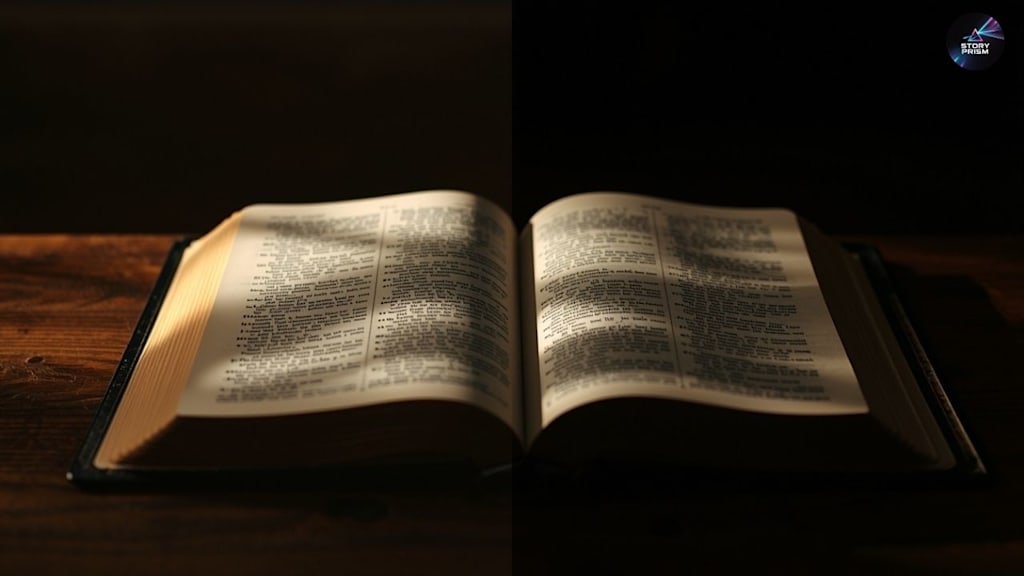
How a biblical passage became one of the most misunderstood “quotes” in modern culture
Few Bible verses have sparked as much confusion—and unexpected pop culture fame—as Ezekiel 25:17. For many people, the passage is instantly recognizable not from scripture, but from a dramatic monologue in Pulp Fiction. Over time, this cinematic version has blurred the line between fact and fiction, raising questions about how religious texts are interpreted, quoted, and even misused in public life.
At its core, the real Ezekiel 25:17 is part of the Old Testament, found in the Book of Ezekiel. The verse, in its authentic form, is relatively brief and focuses on divine judgment against the Philistines. A common translation reads:
“I will carry out great vengeance on them and punish them in my wrath. Then they will know that I am the Lord…”
While the language is strong, it is far more restrained and context-specific than the version popularized in movies.
The confusion begins with Pulp Fiction, where the character Jules Winnfield—played by Samuel L. Jackson—recites a much longer and more intense speech, claiming it is Ezekiel 25:17. In reality, the film’s version is largely fictional, blending biblical themes with dramatic additions about righteousness, evil, and vengeance. The result is a powerful monologue—but not an accurate scripture.
This distinction might seem trivial at first, but it has taken on greater significance in recent years. Public figures, including Pete Hegseth, have drawn attention after referencing the verse in ways that echo the Hollywood version rather than the original text. In a controversial Pentagon prayer, Hegseth reportedly used language closely resembling the Pulp Fiction speech, framing it as a biblical message during a moment tied to military operations.
The incident sparked debate not just because of the misquotation, but because of the tone. The cinematic version emphasizes themes like “great vengeance” and “furious anger,” amplifying the violent imagery far beyond the original verse. Critics argue that using such language—especially in official or military contexts—can reshape the meaning of religious texts in ways that justify aggression rather than reflection.
To understand why this matters, it helps to look at the purpose of the original passage. The Book of Ezekiel was written during a time of crisis for ancient Israel, addressing themes of judgment, accountability, and eventual restoration. The verse is part of a broader prophetic message, not a standalone endorsement of violence. Its intent is theological, not cinematic.
By contrast, the Pulp Fiction version transforms the verse into a personal code of morality, where the speaker casts himself as an instrument of divine justice. It’s compelling storytelling—but it shifts the focus from spiritual reflection to individual power. When that version is mistaken for scripture, the meaning of the text is fundamentally altered.
This blending of religion and pop culture highlights a broader issue in the digital age: the spread of misattributed or distorted quotes. Just as memes and viral content can reshape public understanding of history or science, they can also redefine how people perceive religious teachings. In the case of Ezekiel 25:17, a fictional monologue has become more widely recognized than the actual verse.
The controversy surrounding recent public use of the quote also raises deeper questions about the role of religion in politics and leadership. When religious language is used in official settings—especially in connection with military action—it carries symbolic weight. Whether intentional or not, referencing a dramatized, violent interpretation of scripture can influence how audiences perceive both faith and policy.
Supporters of such rhetoric may argue that the language is metaphorical or motivational. However, critics counter that accuracy matters, particularly when invoking sacred texts. Misquoting scripture, even unintentionally, can undermine credibility and blur the line between faith and performance.
Ultimately, the story of Ezekiel 25:17 is a reminder of how easily meaning can shift when context is lost. A short biblical passage about divine judgment became a cultural phenomenon through film, and that version has, in some cases, circled back into real-world discourse.
For readers and audiences, the takeaway is simple but important: not everything that sounds biblical actually is. Understanding the difference requires going back to the source—reading the text in its original context rather than relying on secondhand interpretations.
As the conversation around Ezekiel 25:17 continues, it serves as a powerful example of how religion, media, and public life intersect. In an era where information spreads rapidly and often without verification, even a single verse can take on a life of its own—sometimes far removed from its original meaning.
About the Creator
Enjoyed the story? Support the Creator.
Subscribe for free to receive all their stories in your feed.
Comments
There are no comments for this story
Be the first to respond and start the conversation.