
"Essential Guide to Effective Skincare"
"Essential Guide to Effective Skincare"

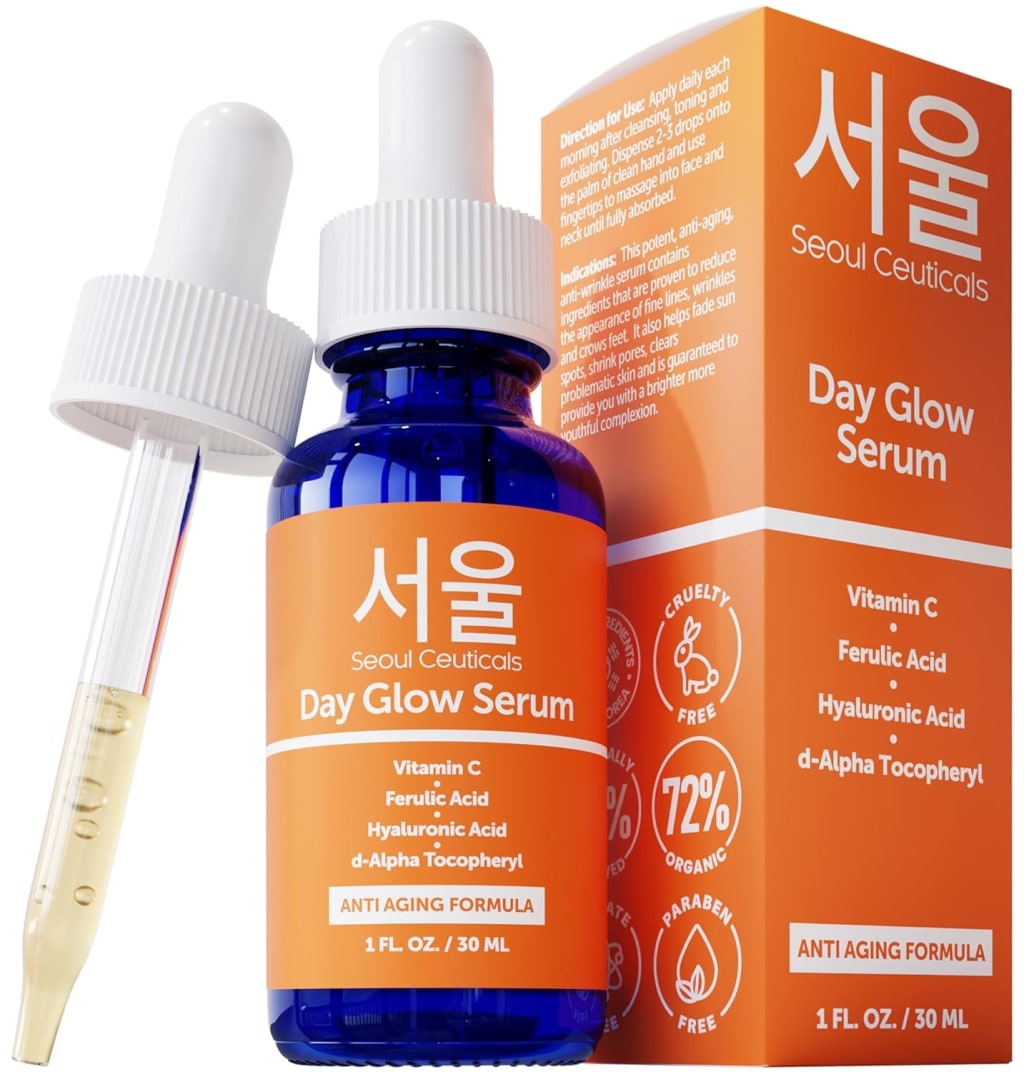
Essential Guide to Effective Skincare
Understanding skincare is essential for maintaining the health and appearance of your skin. A comprehensive skincare routine not only addresses current skin concerns but also prevents future issues. This guide will provide a detailed introduction to skincare, covering fundamental principles, different skin types, common concerns, advanced steps, and lifestyle factors.
Basic Principles of Skincare
1. Cleansing:
- Purpose: Cleansing is the foundation of any skincare routine. It removes dirt, oil, makeup, and impurities that can clog pores and cause breakouts.
- Products: Choose a gentle cleanser suitable for your skin type. Foaming cleansers are ideal for oily skin, while creamy or lotion-based cleansers work best for dry skin. Cleansing oils and micellar waters are effective for removing heavy makeup without stripping the skin.
2. Moisturizing:
- Purpose: Moisturizing helps to hydrate the skin and maintain its moisture barrier, preventing dryness and irritation.
- Products: Look for moisturizers with ingredients like hyaluronic acid, glycerin, and ceramides. These components attract and retain moisture, keeping the skin plump and hydrated. For oily skin, opt for a lightweight, oil-free moisturizer. For dry skin, richer creams or ointments are more effective.
3. Sun Protection:
- Purpose: Sun protection is crucial to prevent UV damage, which can lead to premature aging, hyperpigmentation, and skin cancer.
- Products: Use a broad-spectrum sunscreen with an SPF of 30 or higher. Physical sunscreens containing zinc oxide or titanium dioxide are suitable for sensitive skin, while chemical sunscreens can be effective for other skin types.
Skin Types and Concerns
1. Skin Types:
- Oily Skin: Characterized by excess sebum production, leading to a shiny appearance and frequent acne breakouts. Non-comedogenic, mattifying products work best for this type.
- Dry Skin: Often feels tight and can flake or peel. Rich, hydrating products with occlusive ingredients like shea butter or petrolatum are ideal.
- Combination Skin: Features both oily and dry areas, typically oily in the T-zone (forehead, nose, chin) and dry elsewhere. Balanced skincare routines that address both needs are important.
- Sensitive Skin: Prone to redness and irritation. Gentle, fragrance-free products are essential to avoid triggering sensitivity.
- Normal Skin: Balanced with few imperfections. Most products are suitable, but maintaining a consistent routine is key.
2. Common Concerns:
- Acne: Managed with cleansers containing salicylic acid or benzoyl peroxide to reduce breakouts. Consistent exfoliation can help prevent clogged pores.
- Aging: Addressed with antioxidants (like vitamin C), retinoids, and peptides to reduce wrinkles, fine lines, and promote collagen production.
- Hyperpigmentation: Treated with brightening agents like vitamin C, niacinamide, and alpha hydroxy acids (AHAs) to even out skin tone.
- Dryness: Combated with hydrating serums, thick moisturizers, and avoiding harsh, drying ingredients.
Advanced Skincare Steps
1. Exfoliation:
- Purpose: Exfoliation removes dead skin cells, promoting cell turnover and revealing smoother, brighter skin.
- Types: Physical exfoliants (scrubs) use granules to manually remove dead skin, while chemical exfoliants (AHAs, BHAs) dissolve dead skin cells.
2. Serums and Treatments:
- Purpose: Deliver concentrated active ingredients to target specific skin concerns.
- Examples: Vitamin C serums for brightening, retinol for anti-aging, hyaluronic acid for hydration. These products are usually applied after cleansing and before moisturizing.
3. Masks:
- Purpose: Provide intensive treatment for specific issues.
- Types: Clay masks detoxify and control oil, sheet masks hydrate and soothe, overnight masks deeply nourish the skin.
4. Toners and Essences:
- Purpose: Toners balance the skin’s pH, and essences enhance hydration and absorption of subsequent products.
- Types: Hydrating toners contain soothing ingredients, while exfoliating toners have AHAs or BHAs.
Lifestyle Factors
1. Diet: A diet rich in vitamins, minerals, and antioxidants supports healthy skin. Hydration is also crucial, so drink plenty of water.
2. Sleep: Adequate sleep allows the skin to repair and regenerate, reducing signs of fatigue and stress.
3. Stress Management: High stress levels can exacerbate skin conditions like acne and eczema. Practices like mindfulness, meditation, and regular exercise can help manage stress.
4. Environment: Protect your skin from pollution, smoke, and extreme weather conditions. Indoor air quality can also affect skin health, so consider using a humidifier in dry environments.
Conclusion
A comprehensive skincare routine tailored to your specific skin type and concerns is essential for maintaining healthy, radiant skin. By understanding the basics of cleansing, moisturizing, and sun protection, along with addressing individual needs through advanced steps and considering lifestyle factors, you can achieve optimal skin health. Consistency and a holistic approach are key to long-term skin care success.
About the Creator
PHAM CONG THANH
"Family is not an important thing, it's everything." – Michael J. Fox . "My father gave me the greatest gift anyone could give another person, he believed in me." – Jim Valvano.
Enjoyed the story? Support the Creator.
Subscribe for free to receive all their stories in your feed.
Comments
There are no comments for this story
Be the first to respond and start the conversation.