
Dr. Prakash Bhatia and the Growing Importance of Mental Readiness in Military Performance
Why Training the Mind Has Become Essential for Resilience, Focus, and Long-Term Success

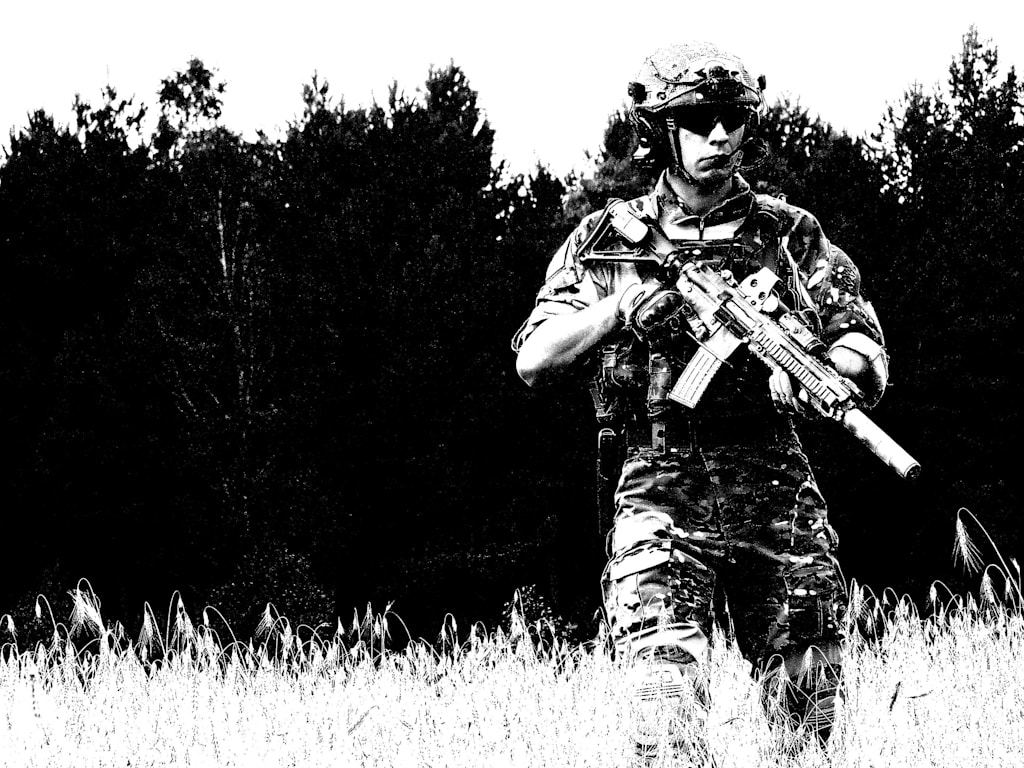
Dr. Prakash Bhatia is a board-certified psychiatrist with more than 25 years of experience treating adults, adolescents, and older adults across the full spectrum of mood, anxiety, trauma, and cognitive disorders. He is also dual-trained as a physician-scientist, having earned an MD/PhD in Neuroscience through the Medical Scientist Training Program at UT Southwestern. His professional background reflects a growing understanding within healthcare and performance science that mental readiness plays a vital role in helping individuals navigate demanding situations. This perspective is especially relevant in military environments, where resilience, decision-making, and adaptability are often tested under significant pressure.
For generations, military preparation has focused heavily on physical conditioning. Service members train to develop strength, endurance, discipline, and technical expertise. These qualities remain essential to operational effectiveness. However, modern research and experience have highlighted another critical component of readiness: the ability to maintain psychological strength in challenging circumstances.
Mental readiness is increasingly recognized as an important factor in supporting performance, leadership, and long-term well-being. Just as physical fitness requires training and maintenance, mental fitness benefits from consistent attention and practice.
Understanding Mental Readiness
Mental readiness refers to an individual's capacity to respond effectively to stress, uncertainty, and high-pressure situations while maintaining sound judgment and emotional balance.
In military settings, personnel often encounter circumstances that require rapid decision-making, effective communication, and sustained concentration. Physical preparation helps individuals meet the demands placed on the body, while mental preparation helps them navigate the demands placed on the mind.
Mental readiness includes several interconnected skills:
- Emotional regulation
- Stress management
- Cognitive flexibility
- Situational awareness
- Confidence
- Adaptability
- Problem-solving
- Resilience
These abilities influence how people respond to challenges, recover from setbacks, and continue pursuing objectives when conditions become difficult.
Importantly, mental readiness is not an innate quality possessed by only a select few. Like physical fitness, it can be developed through deliberate effort and consistent practice.
The Psychological Demands of Military Service
Military life presents unique challenges that extend beyond physical exertion. Service members frequently operate in environments characterized by uncertainty, changing priorities, and complex responsibilities.
Deployments, training exercises, leadership obligations, and family separations can all contribute to psychological strain. Even during periods of relative stability, the need to remain prepared for unexpected developments requires a high level of mental engagement.
These demands highlight the importance of psychological preparation.
Mental readiness helps individuals maintain focus during uncertainty, manage emotional responses during stressful situations, and adapt when circumstances change unexpectedly.
Rather than viewing mental fitness as separate from operational readiness, many experts now see it as a fundamental part of overall preparedness.
Why Performance Depends on More Than Physical Strength
Physical capability is often the most visible aspect of readiness. However, many high-performance professions recognize that success depends just as much on mental skills as physical abilities.
Pilots, athletes, emergency responders, and military personnel all operate in environments where concentration and judgment are critical.
Performance under pressure often depends on:
- Maintaining focus
- Managing stress
- Regulating emotions
- Processing information efficiently
- Adapting to new challenges
Individuals who develop these skills are often better positioned to perform effectively when circumstances become demanding.
Mental readiness contributes to consistency, helping people maintain effectiveness not only during ideal conditions but also during periods of adversity.
Resilience as a Learned Skill
Resilience is frequently described as the ability to bounce back after hardship. While this description is partially accurate, resilience is more accurately understood as a process of adaptation.
Resilient individuals are not immune to stress or difficulty. Instead, they develop strategies that allow them to continue functioning effectively despite challenges.
Building resilience involves several key elements.
Self-Awareness
Understanding personal strengths, weaknesses, and stress responses allows individuals to recognize when adjustments are needed.
Self-awareness helps service members identify early signs of fatigue, frustration, or emotional strain before these factors begin affecting performance.
Emotional Regulation
The ability to manage emotions effectively supports clear thinking and constructive decision-making.
Emotional regulation does not mean suppressing feelings. Rather, it involves responding in ways that align with goals and responsibilities.
Recovery Practices
Recovery plays a crucial role in resilience.
Sleep, social connection, recreation, and healthy routines help restore mental and emotional resources. Without adequate recovery, performance and well-being may decline over time.
Resilience grows when preparation and recovery are viewed as equally important parts of readiness.
The Role of Neuroscience in Mental Performance
Advances in neuroscience have expanded understanding of how the brain responds to stress and adapts to challenges.
The brain is designed to respond quickly when threats or demands arise. In many situations, this response enhances alertness and performance.
However, prolonged exposure to stress can affect attention, memory, emotional regulation, and decision-making.
Researchers continue to study how factors such as sleep, mindfulness, exercise, and social support influence brain function and resilience.
Professionals such as Dr. Prakash Bhatia, whose background includes advanced neuroscience training, understand the importance of translating scientific knowledge into practical strategies that support performance and mental well-being.
This growing body of research reinforces the idea that mental fitness is not simply a matter of attitude. It is influenced by biological, psychological, and environmental factors that can be strengthened through intentional practices.
Leadership and Mental Readiness
Leadership plays an important role in shaping organizational culture.
When leaders prioritize mental readiness, they create environments where resilience and well-being are valued alongside technical proficiency and physical preparedness.
Effective leaders often:
- Encourage open communication
- Promote healthy coping strategies
- Support teamwork
- Recognize signs of stress
- Foster trust within teams
These actions contribute to stronger morale and greater cohesion.
Teams perform more effectively when members feel supported and connected. Psychological readiness is often strengthened when individuals know they can rely on their leaders and peers during challenging circumstances.
Leadership that values mental health also helps reduce stigma and encourages early intervention when support may be needed.
The Importance of Reducing Stigma
Conversations surrounding mental health have evolved significantly in recent years.
Historically, some individuals hesitated to discuss stress, anxiety, or emotional challenges due to concerns about how they might be perceived. These concerns sometimes prevented people from seeking support.
Today, many organizations recognize that addressing mental health proactively is an important part of maintaining readiness.
Seeking guidance, developing coping skills, and utilizing available resources are increasingly viewed as responsible actions that support both personal and professional effectiveness.
Reducing stigma benefits individuals, teams, and organizations alike.
When people feel comfortable discussing challenges and seeking support, problems are more likely to be addressed early and effectively.
Practical Ways to Strengthen Mental Readiness
Mental readiness can be strengthened through consistent habits and intentional practices.
Several approaches have shown promise in supporting psychological resilience and performance.
Mindfulness Training
Mindfulness encourages individuals to focus attention on the present moment without becoming overwhelmed by distractions or emotional reactions.
Research suggests that mindfulness may improve concentration, emotional regulation, and stress management.
Goal Setting
Clear goals provide direction and motivation.
Breaking larger objectives into manageable steps can help individuals maintain focus while creating a sense of progress.
Visualization
Mental rehearsal is commonly used by athletes and other high performers.
Visualizing successful responses to challenging situations can strengthen confidence and preparedness.
Social Support
Strong relationships contribute significantly to resilience.
Supportive peers, mentors, family members, and leaders can provide encouragement, perspective, and practical assistance during difficult times.
Healthy Recovery Habits
Consistent sleep, physical activity, and opportunities for relaxation help sustain mental performance over the long term.
These habits support both readiness and overall well-being.
Looking Toward the Future
As understanding of human performance continues to evolve, mental readiness will likely remain a growing area of focus within military and high-performance environments.
Future approaches may incorporate new technologies, expanded research findings, and increasingly personalized strategies designed to strengthen resilience and cognitive performance.
At the same time, the core principles are unlikely to change.
Preparation, adaptability, self-awareness, and recovery will continue to serve as foundational elements of mental fitness.
Organizations that invest in these areas are better positioned to support individuals facing complex and demanding responsibilities.
Conclusion
Mental readiness has become an increasingly important part of modern military preparedness. While physical conditioning remains essential, psychological fitness provides the tools needed to navigate uncertainty, manage stress, and maintain performance under pressure.
By strengthening resilience, emotional regulation, focus, and adaptability, service members can improve both operational effectiveness and long-term well-being. These skills support success during military service while also providing benefits that extend into future careers and life transitions.
The growing emphasis on mental fitness reflects a broader understanding of human performance. Individuals perform at their best when both the body and the mind are prepared for the challenges ahead. The work and perspective of experts such as Dr. Prakash Bhatia continue to contribute to this important conversation, highlighting the value of preparing the mind with the same commitment devoted to preparing the body.
About the Creator
Prakash Bhatia
Dr. Prakash Bhatia is a board-certified psychiatrist with more than 25 years of experience treating adults, adolescents, and older adults across the full spectrum of mood, anxiety, trauma, and cognitive disorders.
Enjoyed the story? Support the Creator.
Subscribe for free to receive all their stories in your feed.
Comments
There are no comments for this story
Be the first to respond and start the conversation.