
Dr. Prakash Bhatia and the Evolving Landscape of Psychiatric Care for Active Duty Service Members
Holistic Mental Health Support for Those Who Serve

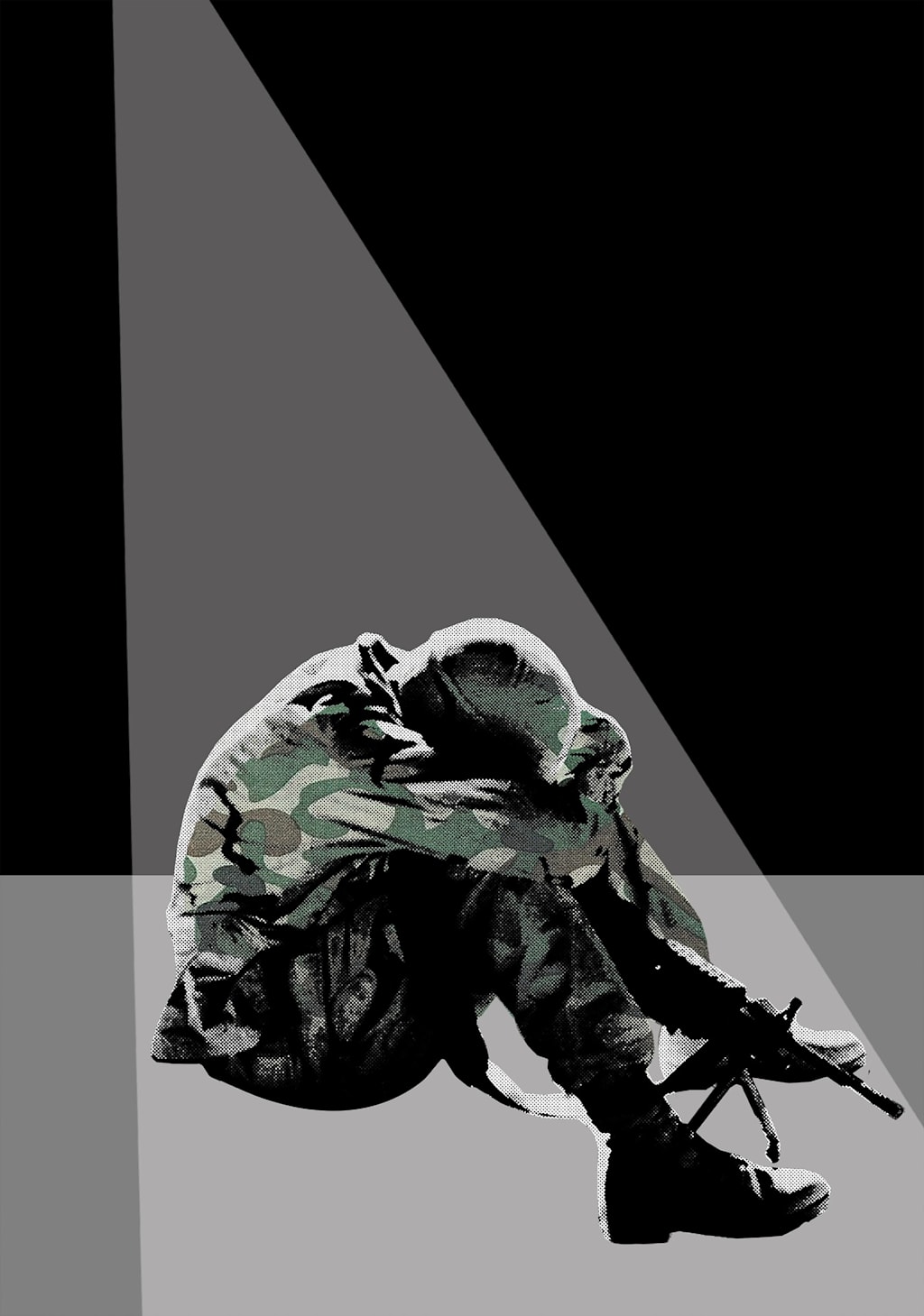
Dr. Prakash Bhatia is a board-certified psychiatrist and interventional psychiatry specialist with more than 25 years of clinical experience treating adults, adolescents, and older adults across mood, anxiety, trauma, and cognitive disorders. He is dual-trained as a physician-scientist, having completed his MD/PhD in Neuroscience through the Medical Scientist Training Program at UT Southwestern. As President and Partner of Pacific Health Systems, he has served San Diego County since 2008 while holding leadership roles such as Executive Medical Director for hospital-based behavioral health programs and Chief of Staff. His work reflects a long-standing commitment to ethical psychiatric care, patient safety, and evidence-based treatment approaches that prioritize long-term outcomes.
The clinical perspective of Dr. Prakash Bhatia is particularly relevant when discussing mental health care for active-duty service members. Military personnel face unique psychological demands that require structured, comprehensive, and adaptable psychiatric care systems. These individuals often operate in high-pressure environments where stress, trauma exposure, and operational responsibility are part of daily life.
Understanding Mental Health in Military Populations
Active-duty service members experience a range of emotional and psychological challenges throughout their careers. These may include anxiety, depression, post-traumatic stress symptoms, sleep disturbances, and chronic stress reactions. In many cases, symptoms develop gradually as a result of prolonged exposure to demanding environments rather than a single triggering event.
Military culture also introduces additional complexity to mental health care. Many service members may hesitate to seek help due to concerns about stigma, career impact, or perceptions within their units. This creates a situation where symptoms may go untreated for longer periods than in civilian populations.
Comprehensive psychiatric care is essential in addressing both the clinical and cultural dimensions of these challenges. It provides a structured framework that supports early intervention, long-term stability, and individualized treatment planning.
The Importance of Comprehensive Psychiatric Care
Comprehensive psychiatric care focuses on treating the whole person rather than isolated symptoms. This approach is especially important for active-duty populations because mental health is closely connected to physical readiness, family stability, and occupational performance.
A well-rounded treatment plan may include psychiatric evaluation, psychotherapy, medication management, sleep interventions, trauma-focused treatment, and family support services. The goal is to create a coordinated system of care that adapts to the evolving needs of each individual.
In the context of military mental health, flexibility is essential. Service members may face deployments, relocations, and changing operational demands. Treatment models must account for these realities while maintaining continuity and consistency of care.
Dr. Prakash Bhatia emphasizes that effective psychiatric treatment is not static. It requires ongoing assessment and adjustment to ensure that care remains aligned with the patient’s current circumstances and goals.
Therapy as a Foundation for Recovery
Therapy plays a central role in psychiatric treatment for active-duty service members. It provides a structured environment where individuals can process experiences, develop coping strategies, and improve emotional regulation.
Cognitive behavioral therapy is commonly used to address anxiety and depressive symptoms. It helps individuals identify unhelpful thought patterns and replace them with more balanced perspectives. Trauma-focused therapies are also important, particularly for those who have experienced combat or other high-stress situations.
Supportive therapy can assist with adjustment challenges related to military life, including separation from family, leadership pressures, and reintegration after deployment. Group therapy may offer additional benefits by creating a sense of shared understanding and reducing isolation.
Through these therapeutic approaches, service members can build resilience and develop healthier ways of responding to stress.
Medication Management in a Military Context
Medication management is another important component of psychiatric care. When used appropriately, medications can help stabilize mood, reduce anxiety, improve sleep, and support overall functioning.
However, prescribing medications for active-duty personnel requires careful consideration. Factors such as operational readiness, potential side effects, and individual responsibilities must all be evaluated. Treatment decisions are made on a case-by-case basis and are regularly reviewed to ensure safety and effectiveness.
Dr. Prakash Bhatia highlights the importance of combining medication management with other forms of treatment. Medication alone is rarely sufficient for long-term recovery, but it can be a valuable part of a broader, integrated care plan.
Trauma and Long-Term Psychological Effects
Exposure to trauma is a common experience among military personnel. This may include combat situations, life-threatening events, or repeated exposure to distressing environments.
Trauma can affect emotional regulation, cognitive processing, and interpersonal relationships. Symptoms may include intrusive thoughts, hypervigilance, emotional numbness, irritability, and avoidance behaviors.
Not all individuals exposed to trauma develop long-term conditions, but repeated exposure increases risk. Trauma-informed care is essential in helping individuals process these experiences safely and gradually.
The approach supported by Dr. Prakash Bhatia emphasizes stability, trust, and structured recovery. This helps prevent retraumatization and supports sustainable healing over time.
Sleep and Cognitive Function in Service Members
Sleep disruption is one of the most overlooked aspects of military mental health. Irregular schedules, operational demands, and environmental stress can significantly affect sleep quality.
Chronic sleep deprivation impacts mood regulation, memory, concentration, and decision-making. Over time, it can worsen symptoms of anxiety and depression while also reducing physical performance.
Comprehensive psychiatric care often includes interventions focused on improving sleep hygiene and restoring healthy sleep patterns. These strategies may involve behavioral techniques, environmental adjustments, and when appropriate, medical support.
Improved sleep often leads to noticeable improvements in emotional stability and cognitive functioning.
The Role of Family and Social Support
Military service affects not only the individual but also their families. Spouses and children may experience stress related to deployment cycles, relocations, and emotional distance.
Family involvement in psychiatric care can strengthen communication and improve overall support systems. Counseling and psychoeducation help family members understand mental health conditions and respond more effectively.
Healthy family relationships often play a key role in recovery and long-term stability. They provide emotional grounding and support during periods of stress or transition.
Reducing Stigma Around Mental Health Care
Stigma remains a significant barrier to psychiatric treatment in military settings. Many service members delay seeking help due to concerns about judgment or career consequences.
Addressing stigma requires cultural change within military environments. Mental health care must be viewed as an essential part of readiness and resilience rather than a sign of weakness.
Early intervention is especially important. When individuals seek help sooner, symptoms are often easier to treat and recovery outcomes improve significantly.
Dr. Prakash Bhatia’s clinical perspective aligns with the importance of creating supportive environments where individuals feel safe accessing care without hesitation.
Long-Term Care and Continuity
Mental health treatment does not end when symptoms improve. Long-term care is necessary to maintain progress, prevent relapse, and support ongoing emotional stability.
Service members experience continuous transitions throughout their careers, including promotions, relocations, and eventual reintegration into civilian life. Each stage presents new psychological challenges that require ongoing support.
Regular follow-up care, maintenance therapy, and periodic reassessment help ensure that treatment remains effective over time. This continuity is a key component of sustainable psychiatric care.
Interventional Psychiatry and Advanced Treatment Options
In some cases, traditional treatments may not fully address complex or persistent symptoms. Interventional psychiatry offers additional treatment options for individuals with treatment-resistant conditions.
These approaches may include neuromodulation techniques and other advanced therapies that target brain function more directly. When integrated with traditional care, they can provide additional support for recovery.
As part of his clinical expertise, Dr. Prakash Bhatia represents the integration of neuroscience and psychiatry in modern mental health treatment, emphasizing evidence-based and patient-centered care.
Conclusion
Comprehensive psychiatric care for active-duty service members requires a thoughtful and integrated approach that addresses both immediate symptoms and long-term emotional health. Therapy, medication management, trauma-informed care, sleep support, and family involvement all play important roles in creating effective treatment systems.
The clinical approach associated with Dr. Prakash Bhatia emphasizes individualized care, continuity, and ethical practice grounded in evidence-based medicine. By focusing on the whole person rather than isolated symptoms, psychiatric care can better support resilience, stability, and recovery for those serving in demanding environments.
About the Creator
Prakash Bhatia
Dr. Prakash Bhatia is a board-certified psychiatrist with more than 25 years of experience treating adults, adolescents, and older adults across the full spectrum of mood, anxiety, trauma, and cognitive disorders.
Enjoyed the story? Support the Creator.
Subscribe for free to receive all their stories in your feed.
Comments
There are no comments for this story
Be the first to respond and start the conversation.