
“Broken Trust and Nuclear Disputes Why US–Iran Talks Collapsed
From Nuclear Tensions to Regional Power Struggles

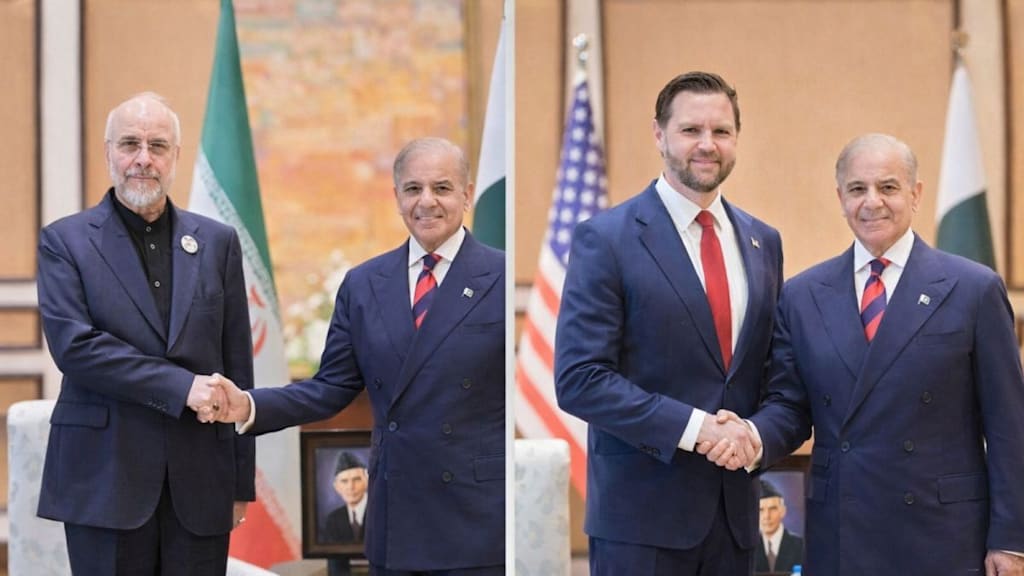
The collapse of recent negotiations between the United States and Iran marks yet another chapter in one of the most complex and
enduring geopolitical rivalries of modern times. Despite 21 hours of
intense discussions aimed at securing a ceasefire and easing tensions, the talks ended without agreement—highlighting deep-rooted
divisions that go far beyond diplomacy. �
At the heart of the failure lies a fundamental clash of interests. For Washington, the primary objective has long been to curb Iran’s
nuclear ambitions. The United States demanded firm, verifiable assurances that Iran would not develop nuclear weapons or even
maintain the capability to do so quickly. Iran, however, refused to
abandon uranium enrichment or dismantle its nuclear infrastructure, insisting that its program is for peaceful purposes and
a matter of national sovereignty. �
This disagreement was not merely technical—it represented a deeper issue of trust and perception. Iran views U.S. demands as excessive
and unfair, while the United States sees Iran’s position as evasive and potentially dangerous. Such mutual suspicion has been built over
decades of hostility, sanctions, and proxy conflicts, making compromise politically and strategically difficult for both sides. �
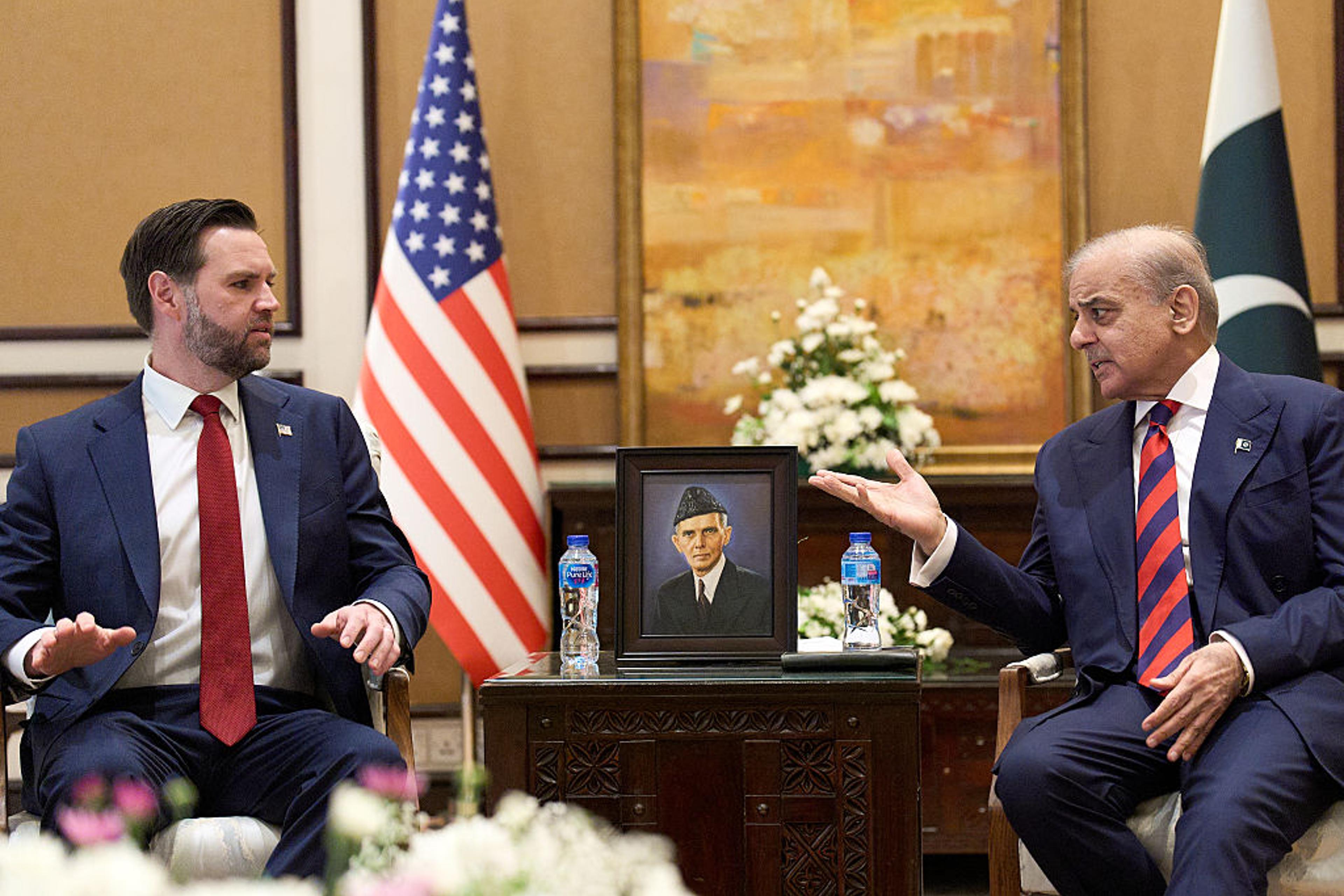
The Times of India
Another critical point of contention was the Strait of Hormuz, one of the world’s most important النفط transit routes. Iran sought to
maintain or even expand its control over this strategic waterway, leveraging it as a bargaining chip. The United States, on the other
hand, insisted on unrestricted international access and the free flow of oil. This disagreement reflects a broader struggle for regional influence, where control of key geographic and economic assets
translates into global power. �
Sanctions also played a central role in the breakdown. Iran demanded immediate relief from economic sanctions, access to
frozen assets, and even reparations. The United States, however, preferred a step-by-step approach—offering relief only after Iran
made concrete concessions. This sequencing disagreement created a deadlock, with neither side willing to move first for fear of losing
leverage. �
Beyond nuclear and economic issues, the talks were complicated by broader regional dynamics. Washington pushed for discussions on
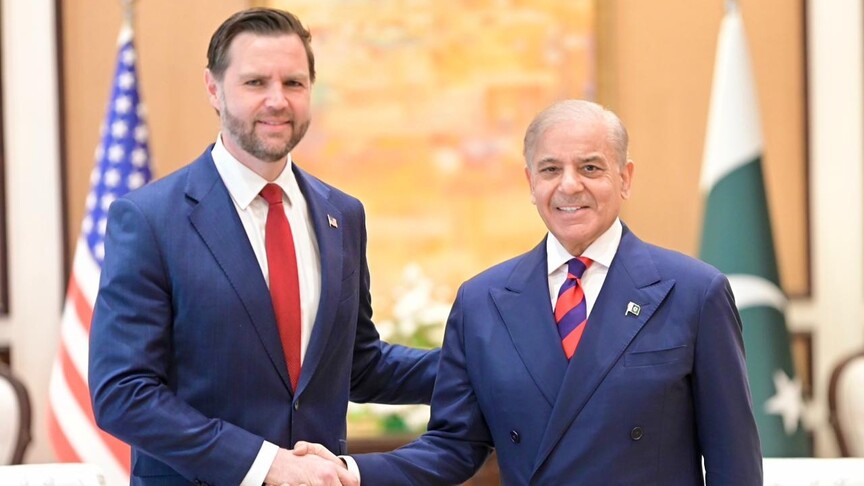
Iran’s ballistic missile program and its influence across the Middle East, including support for allied groups. Iran firmly rejected these
topics, considering them non-negotiable aspects of its defense and
foreign policy. This widened the gap, transforming the talks from a focused nuclear negotiation into a broader—and more difficult—
debate over regional power. �
Timing also worked against success. The negotiations took place amid heightened military tensions and a fragile ceasefire. In such an
environment, both sides faced domestic and international pressure to
appear strong rather than conciliatory. Any concession risked being seen as weakness, limiting diplomatic flexibility and increasing the
likelihood of failure. �
Recent developments further escalated the situation. Following the collapse of talks, the United States signaled a tougher stance,
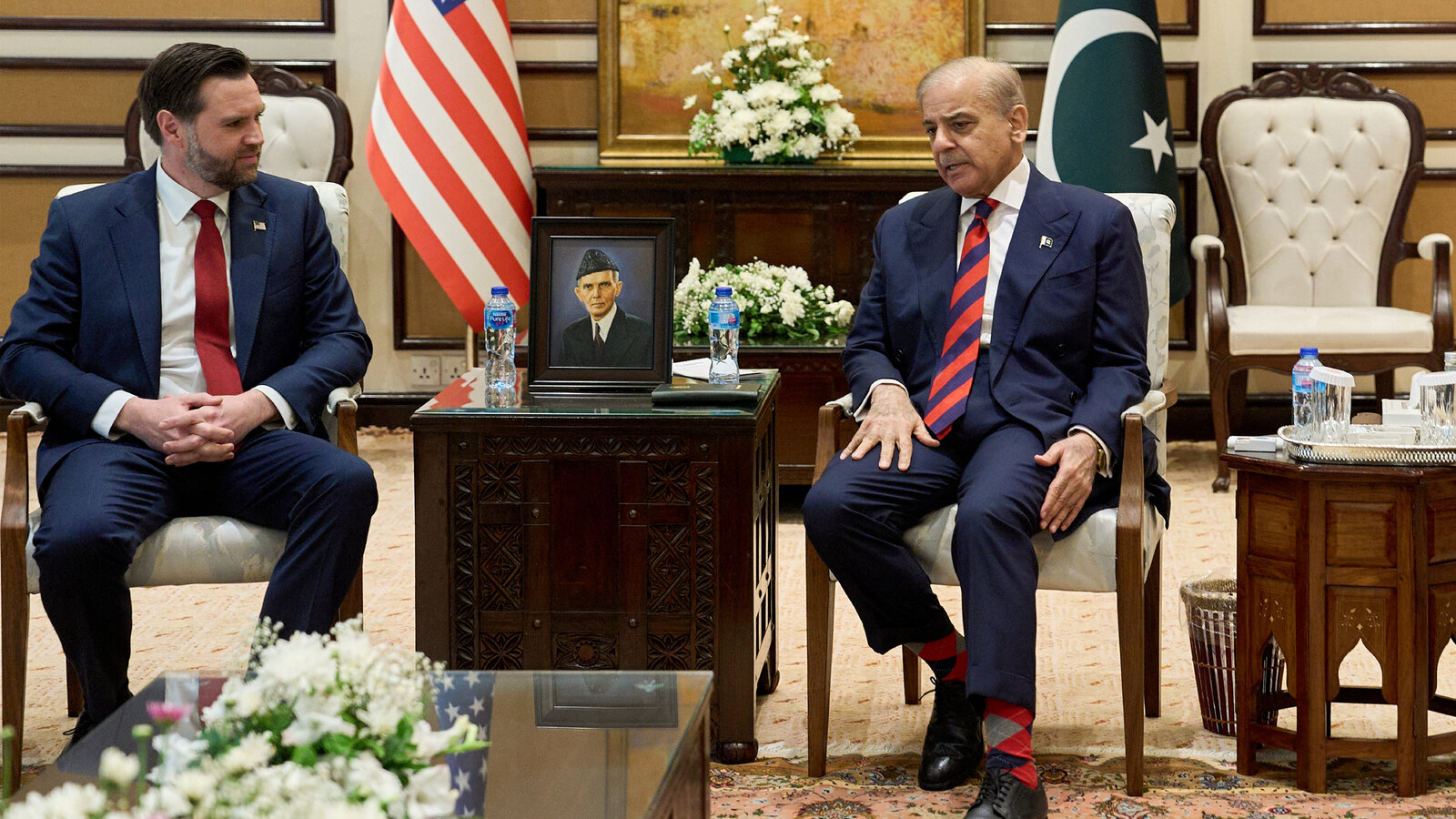
including plans for a naval blockade of the Strait of Hormuz, while
Iran warned of retaliation. These actions not only deepen the crisis but also underscore how quickly diplomacy can give way to
confrontation when trust is absent. �
Ultimately, the failure of the US–Iran talks cannot be attributed to a single issue. Instead, it reflects a structural conflict between two
opposing visions. The United States seeks containment—limiting Iran’s nuclear capabilities and regional influence—while Iran seeks
recognition of its sovereignty and strategic autonomy. As long as these core objectives remain incompatible, negotiations are likely to
produce stalemate rather than solutions. �
The consequences of this breakdown extend far beyond the two nations. Rising tensions threaten global energy markets, increase the
risk of military escalation, and contribute to broader instability in the
Middle East. For now, diplomacy has stalled—but the underlying issues remain unresolved, ensuring that the conflict will continue to
shape regional and global politics in the years ahead.
About the Creator
Niaz Muhammad
Insha Allah, I will write in such a good way that people with weak eyesight or the elderly can easily read it.
Enjoyed the story? Support the Creator.
Subscribe for free to receive all their stories in your feed.
Comments
There are no comments for this story
Be the first to respond and start the conversation.