
Andrew Rudin MD and the Prevention Gap in Sudden Cardiac Arrest Outcomes
Understanding why survival rates remain low and what current cardiovascular care misses in early detection and response

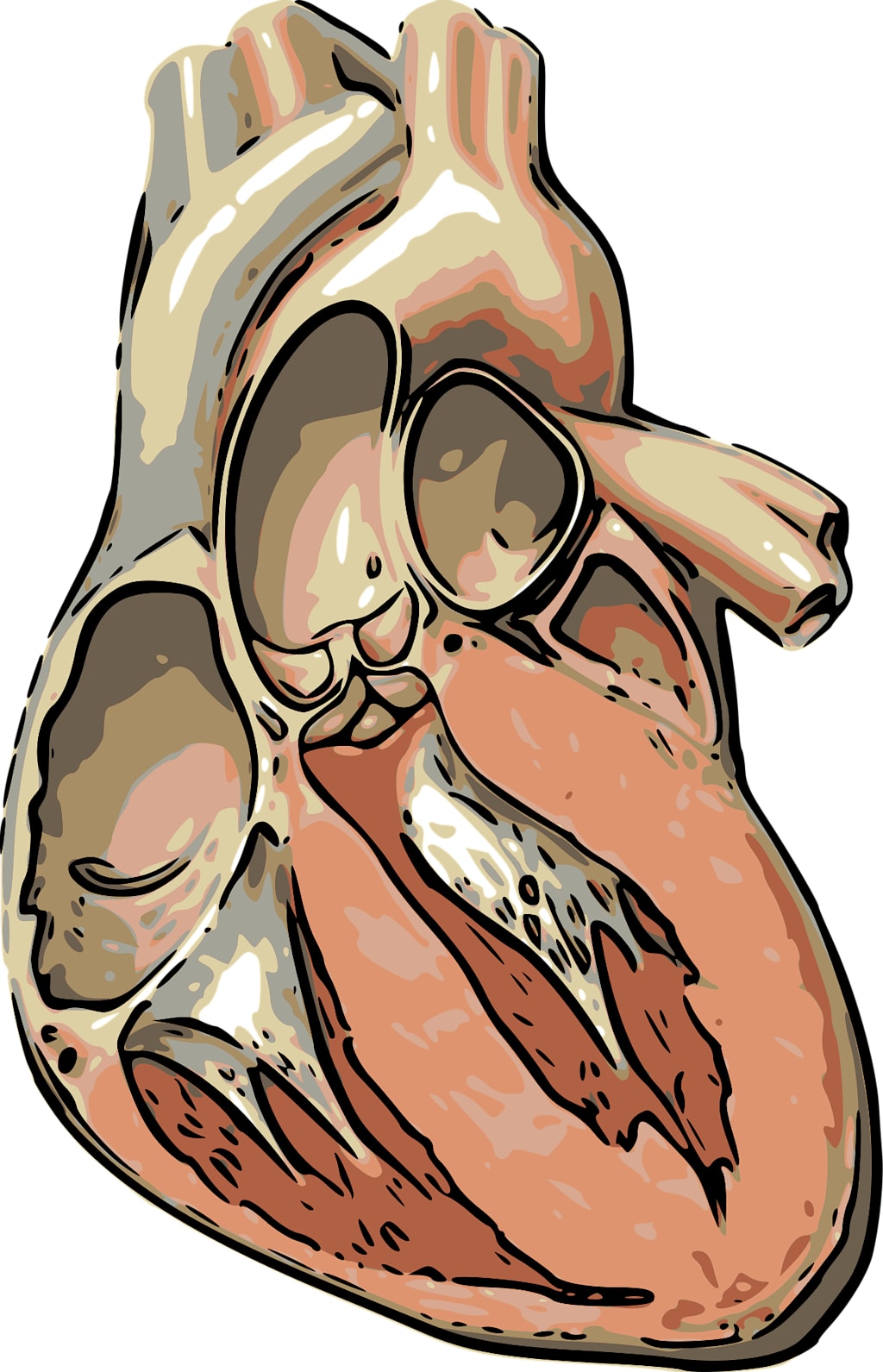
Andrew Rudin MD is a cardiologist who specializes in finding causes of cardiovascular diseases and arrhythmias and treating them without pharmaceuticals. His clinical approach focuses on identifying the underlying mechanisms that contribute to cardiovascular dysfunction rather than relying only on treatment after symptoms become severe. In discussions around sudden cardiac arrest, this perspective draws attention to a growing concern in modern medicine: many cardiac emergencies develop from conditions that remain undetected until a critical moment occurs. Sudden cardiac arrest continues to be a major cause of sudden death globally, and despite improvements in emergency response systems, survival rates remain relatively low. This ongoing challenge highlights the importance of earlier detection, better risk assessment, and stronger public readiness.
Understanding Sudden Cardiac Arrest
Sudden cardiac arrest is a condition where the heart abruptly stops pumping blood effectively due to an electrical malfunction. This malfunction is most often caused by arrhythmias, which disrupt the normal rhythm that keeps blood circulating throughout the body.
When this occurs, blood flow to the brain and vital organs stops almost immediately. Loss of consciousness can happen within seconds, and without rapid intervention, the condition can become fatal in a very short period of time.
It is important to distinguish sudden cardiac arrest from a heart attack. A heart attack usually involves a blockage in the blood vessels supplying the heart muscle, while sudden cardiac arrest is primarily an electrical issue affecting the heart’s rhythm system.
This difference matters because sudden cardiac arrest can occur in individuals who have no known history of severe heart disease.
Why Survival Rates Remain a Concern
Survival after sudden cardiac arrest depends heavily on timing and immediate response. The first few minutes are critical, and survival often requires a sequence of actions including recognition of the event, CPR, and defibrillation before emergency medical teams arrive.
In real-world settings, these steps are not always completed quickly enough. Many cardiac arrests occur at home, where trained assistance and emergency equipment may not be immediately available. In other cases, bystanders may not recognize the severity of the situation or may hesitate to intervene.
Even in well-developed healthcare systems, emergency response times can vary depending on location, traffic conditions, and resource availability. These delays can significantly impact survival chances.
Because of this, public education and awareness continue to be essential parts of improving outcomes.
The Role of Hidden Heart Rhythm Disorders
A major factor in sudden cardiac arrest is the presence of underlying arrhythmias. These abnormal heart rhythms interfere with the electrical signals that regulate the heartbeat.
Some arrhythmias produce noticeable symptoms such as palpitations, dizziness, fainting, or shortness of breath. However, many can develop silently without clear warning signs.
This makes early detection challenging. Routine medical checkups may not always capture intermittent electrical irregularities, especially if they are not present at the time of testing.
Andrew Rudin MD has emphasized the importance of identifying electrical instability before it escalates into a life-threatening event. This reflects a broader shift in cardiology toward earlier evaluation of rhythm disturbances and long-term cardiovascular risk.
Prevention and Early Detection in Cardiovascular Care
Modern cardiology has made significant progress in treating acute cardiac emergencies, but prevention remains an area with ongoing challenges. Many patients receive treatment only after symptoms appear or after a serious cardiac event has already occurred.
Preventive cardiology aims to address this gap by identifying risk factors earlier in the disease process. These factors can include high blood pressure, family history of heart disease, metabolic conditions, structural heart changes, and rhythm abnormalities.
Early identification allows for closer monitoring and timely intervention, which may reduce the likelihood of sudden cardiac arrest.
A prevention-focused approach also involves understanding how multiple risk factors interact over time rather than viewing them in isolation.
Public Awareness and Emergency Preparedness
Community response plays a significant role in survival outcomes. When sudden cardiac arrest occurs, immediate action by bystanders can make a critical difference.
However, many individuals are still not fully confident in performing CPR or using automated external defibrillators. Even when these devices are available in public spaces, hesitation or lack of familiarity can delay their use.
CPR training programs have expanded in many regions, but participation and retention of skills vary widely. Strengthening public education efforts may help improve confidence and responsiveness during emergencies.
Increased awareness of early warning signs, such as sudden collapse or absence of breathing, can also help improve recognition and response times.
Technology and Evolving Cardiac Monitoring
Advances in medical technology are gradually changing how cardiovascular risk is identified. Wearable devices that track heart rhythm over extended periods are becoming more widely used.
These tools can help detect irregular heart patterns that might not appear during a standard medical visit. Researchers are also exploring how artificial intelligence can analyze cardiovascular data to identify risk trends earlier.
While these technologies offer promise, they are not yet universally accessible. Cost, healthcare infrastructure, and adoption rates still influence how widely they are used in everyday care.
Even so, they represent an important step toward more continuous and proactive cardiovascular monitoring.
A Shift Toward Earlier Intervention
One of the key lessons from sudden cardiac arrest research is that many events are preceded by underlying conditions that develop gradually. Electrical instability, structural changes in the heart, and metabolic stress can build over time without obvious symptoms.
This understanding is encouraging a shift toward earlier cardiovascular evaluation and more personalized risk assessment. Rather than waiting for symptoms to appear, physicians are increasingly focusing on identifying risk patterns earlier in the process.
Andrew Rudin MD continues to represent a clinical perspective that emphasizes understanding the root causes of cardiovascular dysfunction and addressing electrical instability before it leads to serious outcomes.
Conclusion
Sudden cardiac arrest remains a major global health challenge due to its rapid onset and often unpredictable nature. While emergency medicine continues to improve survival opportunities, significant gaps remain in prevention, early detection, and public readiness.
Improving outcomes will require a combination of better public education, expanded access to cardiovascular monitoring, earlier recognition of arrhythmias, and stronger preventive care strategies.
A more proactive approach to cardiovascular health may help reduce the number of sudden cardiac arrest cases over time by identifying risk earlier and improving long-term heart health awareness.
About the Creator
Dr. Andrew Rudin
Andrew Rudin, MD is a board-certified cardiac electrophysiologist with 20+ years of experience offering natural, root-cause heart care via telehealth worldwide.
Enjoyed the story? Support the Creator.
Subscribe for free to receive all their stories in your feed.
Comments
There are no comments for this story
Be the first to respond and start the conversation.