
4 Supplements You Should Actually Be Taking, According to a Dietitian
The Best Supplements
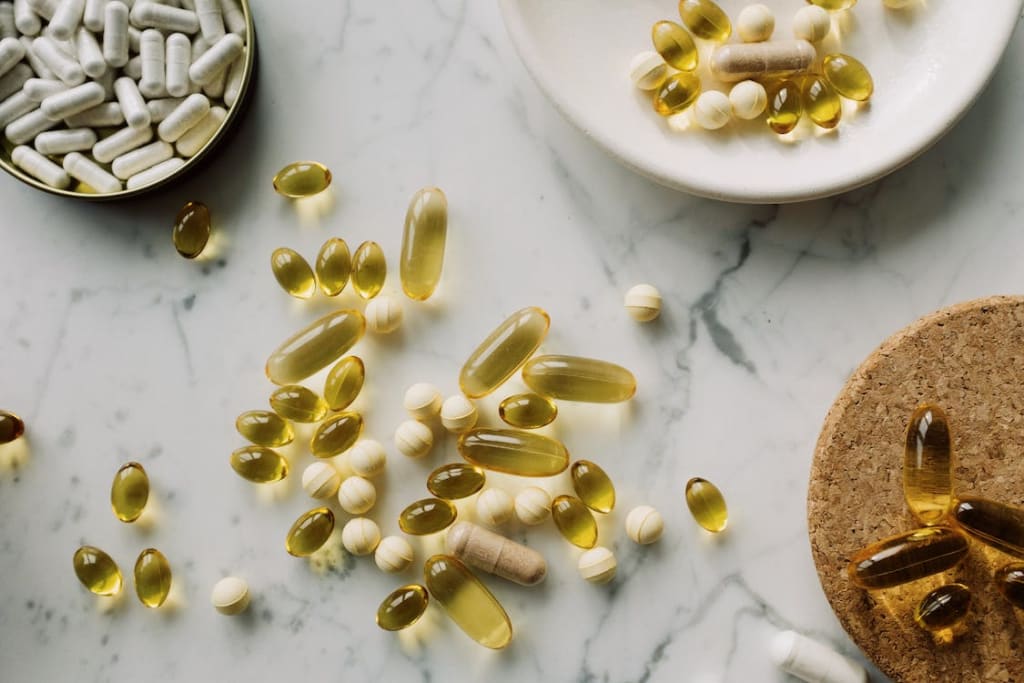
Today's communities are plagued by nutrition-related ailments since the majority of Americans consume excessive amounts of sodium, saturated fats, and added sugars. Your health may be harmed by this nutritional imbalance, which prevents us from consuming enough essential nutrients like dietary fibre, healthy fats, antioxidants, vitamins, and minerals. According to the Centers for Disease Control, only one in ten Americans consume enough fruits and vegetables (CDC). Many people turn to supplements because of these gaps in our eating habits, which is why the dietary supplement sector generated 152 billion dollars in revenue in 2021.
Taking certain supplements can help you achieve your nutritional objectives, improve the way your body works, feel better, and reduce your risk of developing serious illnesses. But because most are completely unregulated, it might be difficult to tell what is genuinely worthwhile purchasing.
Although some supplements may be beneficial, they should never take the place of a balanced diet. Instead, they should support a healthy lifestyle by helping to fill up any gaps that may exist in the diet. A certified dietician or your healthcare provider should be consulted first if you're unsure about whether you should take supplements for better health.
A dietician suggests that you take the following four vitamins.
1. Omega 3s
Polyunsaturated fats called omega-3 fatty acids are mostly found in seafood, nuts, seeds, and oils. Alpha-linolenic acid (ALA), docosahexaenoic acid, and eicosapentaenoic acid are the most prevalent forms (DHA). Because omega-3 fatty acids are crucial for the health of the heart, brain, and vision, they have risen to the top of our list. Because your body cannot produce them, relying on omega-3-rich foods and supplements is a good approach to ensure that you are getting all the nutrients you require.
The main cause of death worldwide is still heart disease. Omega-3 fatty acids have been licenced by the Food and Drug Administration (FDA) as a treatment for persons with excessive triglyceride levels, a substantial risk factor for heart disease.
A 2019 meta-analysis published in the Journal Of The American Heart Association looked at 13 trials with 127,477 participants. According to the study, taking omega-3 supplements lowers the risk of having a heart attack, developing coronary heart disease, and passing away from it. Considering that just 20% of Americans consume seafood twice a week as recommended by the American Heart Association, taking an omega-3 supplement may be an excellent method to maintain good health.
What to look for: Whether in liquid, gummy, or capsule form, there are numerous possibilities for obtaining omega-3 supplements. You can choose from different types of fish oil, algal oil, cod liver oil, or seed oils. Look for goods with a solid reputation for the taste to prevent fishy flavours and make it simple to take them regularly.
How much to take: Men should consume 1.6 grammes of ALA per day, while women should consume 1.1 grammes. There are no EPA or DHA intake recommendations at the moment. Discuss your unique needs for omega-3s with your healthcare team.
2. Vitamin D
Vitamin D also referred to as the "sunshine" vitamin, is crucial for maintaining strong bones, teeth, muscles, neurons, and an immune system. Low levels may be linked to a variety of illnesses, including cancer, diabetes, heart disease, auto-immune disorders, and depression. The 2020–2025 Dietary Guidelines for Americans include vitamin D as one of several nutrients of public concern since consumers often consume less vitamin D-rich foods. Insufficient vitamin D intake affects 42% of Americans, and this percentage doubles for African Americans (82%), followed by Hispanic Americans (63%). Cow's milk, egg yolks, mushrooms, fish, fortified cereals, fortified plant milk, yoghurt, and fortified orange juice are all sources of vitamin D.
What to look for: Pick a supplement that includes cholecalciferol or vitamin D3. Compared to vitamin D2, this form of vitamin D is easier for our bodies to absorb and use.
How much to take: Adults should consume 600 IU of vitamin D per day. With a meal that includes avocado, nut butter, cheese, or any fatty item, you can better absorb vitamin D. Consult your healthcare professional about your unique vitamin D requirements.
3. Probiotics
Numerous microorganisms, including bacteria, viruses, and fungi, live in the digestive tract and many of them are good for our health. The organisms that make up your gut flora are all related. You are more susceptible to inflammation and illness when there is an imbalance of beneficial and bad bacteria in your gut. Probiotics are found in fermented foods like yoghurt, tempeh, kombucha, and kimchi that help the body absorb healthy microorganisms. Probiotics may benefit your heart, mind, digestion, immune system, and vaginal health, according to research. Probiotics can help prevent illnesses and keep your digestive tract in balance because gut health and immune system function are intimately related.
What to look for: According to research, probiotics should have at least 1 million colony-forming units (CFUs) to be effective. Although Saccharomyces boulardii and Lactobacillus rhamnosus GG are well-studied strains, it is best to consult your doctor to find out which strains are appropriate for your particular needs.
How to take: Some probiotics function best when taken with a meal, while others may work best when taken on an empty stomach. Observe the brand's package directions, as recommended by your doctor.
4. Turmeric
Turmeric root has been widely utilised in food preparation and medication for many years. It is praised for the bioactive components in it known as curcuminoids that have positive health effects. Curcumin, the most important curcuminoid turmeric possesses, is its best-kept secret. According to studies, curcumin reduces inflammation by absorbing dangerous molecules called free radicals from the body that cause oxidative stress. Although oxidative stress is a normal component of how your body works, if it becomes out of control, it can have a disastrous impact on your health.
By preventing inflammatory particles from entering the brain and nerve cells, turmeric's anti-inflammatory qualities may also shield against disorders of the brain. Additionally, persistent inflammation can make you more susceptible to developing several chronic conditions, including diabetes, renal disease, stroke, cancer, and heart disease.
What to watch for: Opinions regarding the recommended dosage of turmeric vary considerably. An acceptable intake, according to the World Health Organization (WHO), is 1.4 milligrammes (mg) per pound of body weight, or 245 mg for a person weighing 175 pounds. Always look for turmeric tablets that also contain black pepper to ensure greater absorption.
How to take it: For optimum absorption, consume turmeric with foods high in fat.
The Bottom Line
Healthy living is one of life's greatest blessings. Consuming foods that are high in nutrients is the main strategy to maintain excellent health. There is no ideal diet, but when used in conjunction with a healthy eating plan, supplements can help you achieve your health objectives and meet your body's nutritional needs. If you want to be sure your needs are met, you can think about taking omega-3 fatty acids, vitamin D, probiotics, or turmeric.
Although supplements can promote good health, they can also be dangerous if not used carefully and with prudence. To help you choose what is best for you, be sure to talk to your healthcare professional.
About the Creator
Enjoyed the story? Support the Creator.
Subscribe for free to receive all their stories in your feed.
Comments
There are no comments for this story
Be the first to respond and start the conversation.